
Pruning
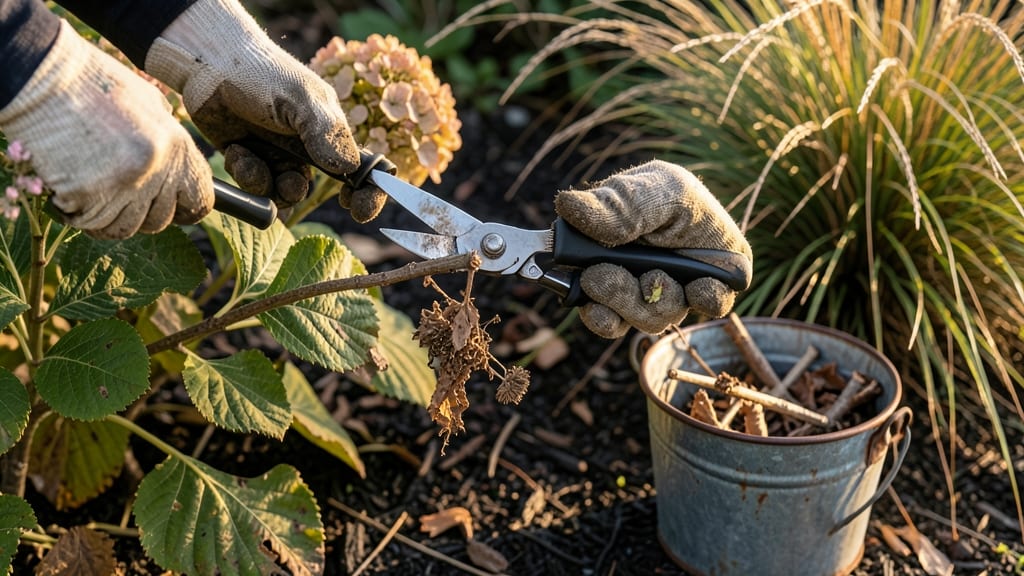
October garden plant pruning isn’t just about cleanup—it’s the secret to next year’s bushier, more productive growth. 🌿 I learned this the hard way after my roses grew leggy and sparse after a winter prune, but now I time my cuts to encourage exactly what I want: thicker canopies that resist wind damage and produce more blooms. The key is knowing which plants benefit from late-season pruning (like hydrangeas, perennials, and some shrubs) and how to do it right—cutting back by one-third to half their height while leaving 2-3 buds on each stem. This timing helps plants harden off before winter while preventing new growth that could get damaged by frost. By spring, you'll see fuller plants with stronger stems that support more flowers or fruit. The right cuts now mean less work later, and your garden will look like it spent the winter napping instead of struggling. Here's exactly what to trim and how to do it without mistakes. Most gardeners skip October pruning because they think it's too late, but that's exactly when plants need it. In zones 5-8, focus on perennials like coneflowers and ornamental grasses, while in zones 9-11, you can even prune lightly into November. The goal is to remove dead or weak growth while shaping the plant for winter resilience. Avoid cutting into old wood (the brown, woody stems) unless you're pruning deciduous shrubs like lilacs or forsythia—those need their winter shape. And never prune spring-blooming shrubs like azaleas or rhododendrons in fall, as their buds form over winter. The right cuts now set you up for a garden that looks intentional, not chaotic. Start with clean, sharp pruners and disinfect them between plants to prevent disease spread. Work on dry days when the soil is still warm enough to encourage healing. If you're unsure about a plant, take a photo first—some, like boxwoods, need minimal pruning in fall at all. The payoff? Plants that bounce back faster in spring and give you that neighbor-jealousy growth year after year.
📚 In This Guide
- What you need
- Instructions
- Tips and common mistakes
- Wrapping up and next steps
What you need
- ○ Pruning shears: Bypass pruners (for clean cuts on small stems, 4–6" blades, stainless steel or carbon steel). Optional: Anvil pruners for thicker branches (up to ½" diameter).
- ○ Loppers: Bypass loppers (18–24" handle, for branches ¾"–1½" thick). Optional: Ratchet-style loppers for extra leverage.
- ○ Pruning saw: Curved-tooth hand saw (for branches 2"–4" thick). Optional: Pole saw for high branches.
- ● Gloves: Heavy-duty gardening gloves (cut-resistant, long cuffs for protection).
- ● Disinfectant: 70% isopropyl alcohol or rubbing alcohol (in a spray bottle) to sterilize tools between cuts.
- ● Sharpener: Fine-grit file or pruning tool sharpener to keep blades in top condition.
- ● Extension pole: For reaching high branches without a ladder.
- ● Pruning sealant: Tree wound paint (only for large cuts on woody plants like trees/shrubs).
- ● Garden twine or tags: For marking branches to prune later.
- ● Wheelbarrow or bucket: To collect debris and fallen leaves.
- ● Safety gear: Sunglasses and closed-toe shoes (for protection from falling branches).
- ● A clear, dry day (avoid pruning when plants are wet—disease risk!).
- ● Knowledge of your plants’ pruning needs (research specific varieties or consult a gardening guide).
- ● Patience! Pruning takes time—don’t rush for perfect results.
How to prune October gardens for year-round bushier growth
Here's the method I swear by to keep plants full and healthy through winter and beyond.
🌿 Step 1: Identify What Needs Pruning Now
Start by examining your garden for plants that need late-season pruning—this includes perennials, shrubs, and even some ornamental grasses. Focus on anything that's finished flowering or looks leggy from summer growth. I always check for dead or diseased branches first; these should come off immediately to prevent winter rot.
Look for crossing branches or those growing inward—they compete for sunlight and weaken the plant. You'll also spot overgrown stems that need thinning to improve airflow. Never prune spring-blooming shrubs now; wait until after they flower. For fall-bloomers like asters or sedum, prune lightly to shape but avoid heavy cuts that remove too much foliage before winter.
✂️ Step 2: Use the Right Tools and Technique
Grab your sharp bypass pruners (dull blades crush stems, inviting disease) and sterilize them with rubbing alcohol before cutting. For thicker branches over ½ inch, use loppers—never pruners. Always cut just above a bud or outward-facing leaf at a 45-degree angle to prevent water pooling on the wound.
I make clean cuts ⅛ inch above a node (the bump where leaves grow) to encourage new growth in the right direction. Avoid leaving stubs—this stresses the plant and slows recovery. For large shrubs, remove no more than ⅓ of the foliage in one session to avoid shocking the plant before winter.
☀️ Step 3: Shape for Winter Resilience
Step back and visualize the plant's natural shape—aim for an open center that lets sunlight reach all branches. Thin out overcrowded stems first, then trim back long, leggy growth to encourage bushier regrowth next spring. For evergreens, prune to maintain their natural form and remove any brown or damaged tips.
Here's the thing—don't over-prune. A light touch now prevents winter dieback. If you're unsure, err on the side of caution and remove less. You can always prune more in early spring. For woody plants, avoid heavy pruning after September 1st—it stimulates tender new growth that won't survive frost.
🪴 Step 4: Clean Up and Protect the Garden
Rake up all pruned debris and dispose of it in the trash (not compost)—diseased material can reinfect your garden. Sterilize your tools again with rubbing alcohol to prevent spreading pathogens. For perennials, cut back dead foliage to 2-3 inches above ground level in early spring rather than now, unless it's severely damaged.
Apply a 2-3 inch layer of mulch around the base of shrubs and perennials to insulate roots and retain moisture. This protects against winter temperature swings and keeps soil temperatures stable. Water deeply before the first hard frost to ensure plants are hydrated through winter dormancy.
⏰ Step 5: Plan for Next Season's Growth
Take notes on what you pruned and why—this helps track which plants respond best to your methods. Label any newly planted shrubs that need special care over winter. In early spring, prune spring-flowering shrubs (like lilacs or forsythia) right after they bloom to maintain shape without sacrificing flowers.
Real talk: Don't prune in frost or freezing temps—it stresses plants and can cause damage. If you missed anything in October, wait until early spring when new growth is just starting. The goal is to set your plants up for strong, bushy regrowth next season, not to overdo it now.
Tips & tricks for perfect October garden pruning
These game-changing tricks will help you transform your garden into a lush, year-round beauty—without the guesswork.
Tool Prep is Everything: Before you start cutting, take 5 minutes to sharpen your pruners and sterilize them with rubbing alcohol. Dull blades tear plant tissue, inviting disease, while clean tools prevent cross-contamination between healthy and sick plants. I keep a small bottle of rubbing alcohol in my gardening caddy specifically for this purpose—it's the single most overlooked step that makes all the difference.
Visualize the Plant's Future: When shaping in Step 3, step back frequently and imagine how the plant will look next spring. Focus on creating an open center that lets sunlight reach all branches—this is how you encourage that bushy, full growth you're after. I like to sketch a rough outline on paper first if I'm working with complex shrubs. Think of it as your plant's "blueprint" for next season.
Timing Matters More Than You Think: The instructions mention avoiding heavy pruning after September 1st, but here's the thing: if you're dealing with woody plants, this rule is non-negotiable. New growth stimulated after this date won't harden off before winter and will die back. For evergreens, you can do light shaping now, but save any major cuts for early spring when the plant can recover more quickly.
Mulch Like a Pro: That 2-3 inch layer of mulch in Step 4 isn't just decoration—it's your plant's winter blanket. Use organic mulch like shredded bark or straw, which breaks down over time to feed your soil. I always apply it after watering deeply, which helps settle the mulch and creates better insulation. Pro tip: Keep mulch a few inches away from plant stems to prevent rot.
Pro Tips for October Garden Plant Pruning
- These game-changing tricks will help you transform your garden into a lush, year-round beauty—without the guesswork.
- Tool Prep is Everything: Before you start cutting, take 5 minutes to sharpen your pruners and sterilize them with rub...
- Visualize the Plant's Future: When shaping in Step 3, step back frequently and imagine how the plant will look next s...
Frequently asked questions
When is the best time to prune in October?
Prune after the first frost (if applicable) but before winter dormancy sets in—typically mid-to-late October. This timing promotes healing while avoiding late-season growth that won’t harden off. For evergreens and perennials, a light trim now prevents winter wind damage.
Can I prune all my plants in October, or are some off-limits?
Some plants thrive with October pruning (roses, shrubs, fruit trees), while others—like spring-blooming bulbs (e.g., daffodils) or tender perennials—should wait until early spring. Check your plant’s specific needs! For example, hydrangeas bloom on old wood, so prune after flowering.
What if I prune too late? Will my plants suffer?
Late pruning (November+) can stress plants by encouraging tender new growth that won’t survive frost. If you miss the window, focus on cleanup (removing dead/diseased branches) and protect vulnerable plants with mulch or burlap wraps. No major harm—just slower recovery.
How do I prune for bushier growth next year?
To encourage density, cut back 1/3 of the oldest stems to the ground and shape others by trimming just above a leaf node (where new buds form). Avoid “topping” (cutting flat across)—it promotes weak growth. Thin out crowded centers to improve airflow and sunlight penetration.
Do I need special tools for October pruning?
Not necessarily! Sharp bypass pruners (for small branches) and loppers (for thicker stems) are essential. For large shrubs, a pruning saw helps. Sterilize tools with rubbing alcohol between cuts to prevent disease spread. A glove and sharpener round out your kit.
Pro Tip: Label your cuts!
Use a marker to jot notes on branches (e.g., “Dead,” “Thin,” “Shape”) if you’re pruning multiple plants. This helps you track progress and avoid over-pruning. Before/after photos are a gardener’s best friend!
Wrapping up and next steps
Pruning your garden plants in October isn’t just about tidying up—it’s your secret weapon for lush, bushier growth all year long! 🌿 By mastering the right techniques, timing, and tools, you’ll set your plants up for success, whether they’re perennials, shrubs, or even fruit-bearing trees. Now’s the time to roll up your sleeves and give your garden the TLC it deserves!
Ready to take your gardening skills to the next level? Start small: pick one plant from your garden and practice your pruning technique this weekend.
Before you know it, you’ll be a pruning pro with a thriving, vibrant landscape that turns heads—and maybe even wins a few neighborhood bragging rights! 🌟