
Pruning
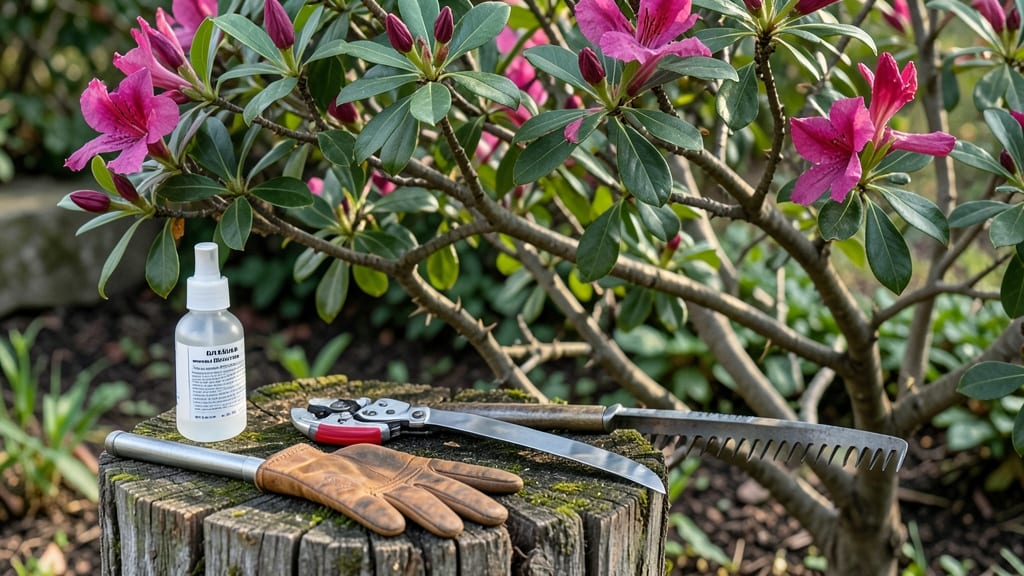
Pruning ornamental quince demands precise timing and technique: trim dead or crossing branches in late winter, refine the plant's shape in early spring before buds swell, and thin dense growth during summer to boost airflow and flowering. Sterilize your tools first for clean, healthy cuts.
Ornamental quince thrives when pruned at the right moments—each season serves a distinct purpose. Late winter's dormant phase minimizes stress, while early spring's fresh growth responds beautifully to shaping cuts.
Summer thinning prevents fungal issues by improving airflow, and sharp tools prevent damage that invites disease. 🌿 The key is working with the plant's natural rhythms rather than forcing it into a rigid schedule.
This shrub's unique growth pattern means you'll often find dead wood hidden beneath healthy branches. Always look for brown, brittle stems that snap easily when bent—these are your targets. For shaping cuts, aim just above outward-facing buds at a 45-degree angle to encourage new growth in the right direction.
I've learned that skipping this step can lead to leggy, sparse flowering the following year.
💡 In This Article
- Best Seasonal Pruning Schedule for Ornamental Quince
- Step-by-Step Ornamental Quince Cutting Techniques
Best seasonal pruning schedule for ornamental quince
The late winter pruning window—typically between January and February—is ideal because the plant is in full dormancy. This means it's not actively growing, so cutting back dead or diseased branches causes minimal stress.
The cold temperatures also help prevent bacterial infections that could spread through fresh cuts. Think of it like giving the quince a clean slate before spring growth begins.
Early spring shaping, around March or April, happens just before buds begin to swell but haven't broken yet. This timing ensures you're not removing potential flower buds that could reduce next year's blooms.
The plant's sap is starting to flow, so it can quickly heal cuts and redirect energy to new growth. I've noticed that quince responds particularly well to this shaping when done within 2-3 weeks of bud break.
Summer thinning, usually in June or July, focuses on improving airflow through the shrub. Dense growth creates a humid microclimate that can encourage fungal diseases like powdery mildew.
By removing up to 20-30% of the foliage, you're not just improving aesthetics—you're creating a healthier environment for the remaining branches. The key is to avoid heavy pruning in late summer, as this can stimulate new growth that won't harden off before winter.
Climate plays a surprisingly large role in these timelines. In warmer regions, you might extend winter pruning into early March, while colder areas should wait until after the last frost.
The rule of thumb is to prune when daytime temperatures consistently stay above 40°F—this gives the plant enough energy to heal while avoiding late-season growth that could be damaged by frost.
What most gardeners don't realize is how critical the 4-6 week recovery period is before winter. If you prune too late in summer, the new growth won't have time to mature before cold weather arrives.
This is especially important for quince, which is more susceptible to winter dieback than many other shrubs. The plant needs this recovery window to build up carbohydrates in its roots for next year's growth.
One advanced technique I've adopted is the "three-cut method" for larger branches. First, make an undercut about 6-8 inches from the trunk, then a top cut just outside the undercut, and finally remove the branch by twisting it outward.
This prevents tearing and creates a cleaner wound that heals faster. The visual difference in recovery between this method and rough cuts is dramatic—it's worth the extra effort for larger branches.