
Pruning
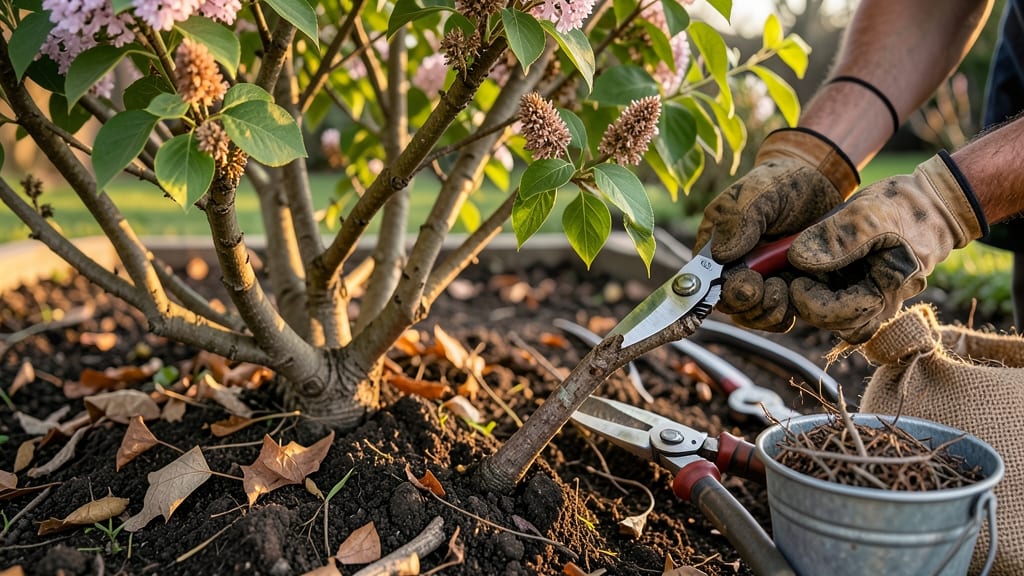
Pruning overgrown bushes isn't just about making them look tidy—it's about reviving their health and unlocking years of stronger growth. ✂️ I’ve turned my once-wild, tangled shrubs into lush, manageable plants by following a few key rules, and the difference is night and day.
The secret? Timing, technique, and knowing which cuts to make (and which to avoid). Most people wait until spring to prune, but that’s actually the worst time for many shrubs. Instead, I’ve learned to prune in three strategic windows—early spring, mid-season, and late fall—each serving a different purpose.
This approach keeps my bushes compact, flowering, and resistant to pests and disease. Even if your bushes look like unruly monsters right now, we can fix that. What you’ll end up with is a bush that blooms more abundantly, grows fuller, and recovers faster from cuts.
The right tools make all the difference, too—sharp pruners, gloves, and a clear plan keep you from making the common mistakes that lead to dead branches or stunted growth. Let’s get those bushes back in shape.
Start by gathering your tools: bypass pruners for clean cuts, loppers for thicker branches, and a hand saw for anything too thick to cut by hand. A disinfectant spray (or rubbing alcohol) keeps tools clean between cuts, preventing the spread of disease.
I also keep a small bucket handy for trimmings—compost them later, but not if the bush is diseased. The first step is always removing dead or diseased wood—it’s the easiest way to improve air circulation and prevent further problems.
Next, look for crossing branches or ones growing inward; these compete for sunlight and weaken the plant. Cut them back to an outward-facing bud or branch. For flowering shrubs, prune right after they bloom to encourage next year’s flowers.
Here’s where most people mess up: they cut too much at once, leaving the bush looking sad and stressed. Instead, never remove more than one-third of the bush’s foliage in a single session.
Thin out crowded areas rather than shearing, and always cut at a 45-degree angle just above a leaf node or bud. This encourages new growth in the right direction.
For year-round maintenance, I do a quick trim in late fall to clean up any stray branches, then another in early spring to shape before new growth starts. The key is consistency—even a little pruning every few months keeps bushes manageable and healthy.
Your overgrown bushes will thank you with thicker foliage, more flowers, and fewer pests by next season.
📚 In This Guide
- What you need
- Instructions
- Tips and common mistakes
- Wrapping up and next steps
What you need
- ● Pruning shears: Bypass pruners (for clean cuts on small branches, 5–8 inches long, with sharp, stainless steel blades). Anvil pruners (for thicker branches, but can crush stems).
- ● Loppers: Bypass loppers (for branches ¾–2 inches thick, 8–12 inches long).
- ● Pruning saw: Curved-tooth pruning saw (for branches 2+ inches thick, 10–14 inches long).
- ● Gloves: Heavy-duty gardening gloves (cut-resistant, with grip for wet conditions).
- ● Disinfectant: Rubbing alcohol (70%+) or bleach solution (1 part bleach to 9 parts water) to clean tools between cuts and prevent disease spread.
- ○ Pruning sealant: Optional but helpful (for sealing larger cuts on woody plants to prevent disease).
- ● Safety gear: Safety glasses and long sleeves/pants to protect from thorns or flying debris.
- ● Extension pole: For hard-to-reach branches (attachable to loppers or shears).
- ● String or twine: For marking (if shaping bushes with precise guidelines).
- ● Trash bags: Heavy-duty contractor bags (for collecting pruned debris).
- ● Knee pads: For comfort if pruning low-growing bushes.
- ● Spray bottle: With water to rinse tools or dampen dusty branches.
Instructions: year-round pruning to tame overgrown bushes
Here's the method I've used to transform unruly shrubs into lush, manageable plants year after year.
✂️ Step 1: Assess and Plan Your Pruning Strategy
Start by examining your bush's growth pattern and structure. Look for dead, diseased, or crossing branches—these are your first targets. I always prune in three phases: first the obvious problems, then shaping, and finally thinning. Use sharp, clean pruners to make precise cuts at a 45-degree angle just above a leaf node or outward-facing bud.
Take a step back and visualize the final shape. Most shrubs benefit from an open-center form that allows light and air to circulate. If your bush has a natural growth habit (like a rounded hydrangea or pyramidal yew), work with that shape rather than forcing an unnatural form. Mark your cuts with a piece of twine or chalk if needed—this prevents over-pruning in one area.
✂️ Step 2: Remove Dead and Diseased Wood First
Dead branches are easy to spot—they're brown, brittle, and often snap when bent. Diseased wood may have black spots, oozing sap, or unusual growths. Cut these out completely, extending your cut to healthy green wood below the affected area. This prevents the disease from spreading to the rest of the plant.
Don't leave stubs—each cut should be clean and just outside the branch collar (the swollen area where the branch meets the trunk). I always sterilize my pruners between cuts with rubbing alcohol to prevent cross-contamination. If you're dealing with a large bush, work in sections so you don't miss any problem areas.
✂️ Step 3: Thin Out Crowded Branches for Airflow
Now focus on branches that are rubbing against each other or growing inward. These compete for sunlight and nutrients, leading to weak growth. Remove about 20-30% of the oldest wood to encourage new, vigorous growth from the center. Start with the thinnest branches first—they're easier to remove and less likely to leave unsightly scars.
Look for branches that cross or grow directly toward the center of the bush. Cut these back to their point of origin, making sure your cut doesn't leave a stub. You'll see a noticeable improvement in airflow and light penetration after this step. If your bush has flower buds, avoid pruning those branches—wait until after they've bloomed to shape them.
✂️ Step 4: Shape the Bush for Balance and Form
Now it's time to refine the bush's overall shape. For most shrubs, I aim for a natural, layered look with a slightly tapered top. Use your pruners to trim back any overlong branches, cutting just above a leaf node or bud. Avoid cutting into old wood—new growth will emerge from the cut you make, so focus on the outer third of the branch.
Step back frequently to check your progress. The goal is to create a bush that looks full and balanced from all angles. If you're pruning a flowering shrub, hold off on heavy shaping until after the blooms fade. This ensures you don't accidentally remove next year's flowers. For evergreens, a light trim in late winter keeps them dense and healthy.
⏰ Step 5: Clean Up and Monitor for Recovery
After pruning, remove all debris from the base of the bush and around the area. This prevents pests and diseases from taking hold. Water the bush deeply to help it recover, especially if you've made significant cuts. You'll notice new growth emerging within 2-4 weeks, depending on the type of shrub and the season.
Keep an eye on the bush over the next few months. If you see any signs of stress (like yellowing leaves or stunted growth), you may have pruned too aggressively. Next time, reduce the amount you cut back. For large shrubs, consider pruning in stages over a few years—this gives the plant time to adjust and reduces shock. With regular maintenance, your bush will stay healthy and well-shaped for years to come.
Tips & tricks for perfect year-round bush pruning
Transforming overgrown bushes into healthy, well-shaped plants takes more than just cutting branches—it's about understanding growth patterns and timing. Here's what I've learned after years of pruning mistakes (and successes!) that'll help you achieve that professional-looking result.
Tool Prep is Everything: Before you even touch your pruners, sharpen them with a file or hone them on a sharpening stone. Dull blades tear plant tissue, inviting disease and slowing recovery. I also keep rubbing alcohol and a small brush on hand to sterilize between cuts—this is especially critical when dealing with diseased branches. A clean cut heals faster and looks more professional.
Seasonal Timing Matters: While you can prune year-round, the best times depend on your bush type. For spring-flowering shrubs like lilacs or forsythia, prune immediately after blooming to preserve next year's flowers. Evergreens respond well to light pruning in late winter, while summer pruning can encourage new growth for fall color. The key is working with the plant's natural growth cycle rather than forcing it into a rigid schedule.
Visualizing the Final Shape: I can't stress this enough—step back frequently during Step 4 and imagine your bush at its best. Hold a string or use a garden hose to outline the shape before making cuts. This prevents over-pruning in one area while leaving gaps elsewhere. For formal hedges, use a straightedge or level to guide your cuts. For natural shapes, follow the plant's inherent growth pattern—you'll get a more organic, healthy result.
Recovery Monitoring: The 2-4 week recovery period mentioned in Step 5 is your chance to spot potential problems early. Look for new growth emerging from the branch collar (the swollen area where branches meet the trunk)—this is a good sign. If you notice yellowing leaves or wilting that persists beyond 2 weeks, you may have cut too aggressively. In that case, reduce next year's pruning by 20-30% to let the plant recover.
Pro Tips for Overgrown Bushes Pruning
- Transforming overgrown bushes into healthy, well-shaped plants takes more than just cutting branches—it's about understanding growth patterns and timing.
- Tool Prep is Everything: Before you even touch your pruners, sharpen them with a file or hone them on a sharpening stone.
- Seasonal Timing Matters: While you can prune year-round, the best times depend on your bush type.
Frequently asked questions
Got questions about tackling those unruly overgrown bushes? You’re not alone! Here are some of the most common concerns—and straightforward answers—to help you prune like a pro.
When is the best time to prune overgrown bushes?
The ideal timing depends on your bush type. For spring-flowering bushes (like lilacs or azaleas), prune right after blooming to avoid cutting off next year’s flowers. Summer- or fall-flowering bushes (like hydrangeas or roses) can wait until late winter or early spring before new growth starts. Always avoid pruning in extreme heat or cold.
How much can I safely trim back an overgrown bush?
Never remove more than one-third of the bush’s total volume in a single pruning session. For severely overgrown bushes, spread it out over 2-3 years to avoid stressing the plant. Focus on dead, diseased, or crossing branches first, then shape the rest. If you’re unsure, take photos first to guide your cuts!
What if I prune at the wrong time and my bush doesn’t bloom?
Don’t panic! Most bushes are resilient, but timing matters. If you pruned too late (e.g., after spring blooms), you may miss that year’s flowers—but the bush will recover. For next time, note your bush’s bloom season and adjust. Over time, consistent pruning will encourage healthier, more abundant blooms.
Can I use hedge trimmers for overgrown bushes, or should I stick to hand pruners?
Hedge trimmers work for neat, uniform cuts on small to medium bushes, but they can damage larger branches or leave jagged edges. For thick stems or overgrown growth, use loppers or a pruning saw first, then trim finer details with hand pruners. Always wear gloves and safety goggles—overgrown bushes can be tough!
Will pruning attract pests or diseases to my bush?
Pruning correctly reduces pest/disease risks by improving airflow and sunlight penetration. However, dull tools or dirty cuts can spread pathogens. Always sterilize your tools with rubbing alcohol between cuts, and remove all debris afterward. If your bush shows signs of stress (yellowing leaves, spots), prune only the affected areas first.
Wrapping up and next steps
Pruning overgrown bushes isn’t just about tidying up—it’s a year-round ritual that keeps your plants thriving, pest-free, and stunning. Whether you’re trimming now for summer blooms or planning ahead for winter resilience, the key is consistency, the right tools, and a little patience.
With these secrets in hand, you’re ready to transform your yard into a lush, low-maintenance paradise! 🌿✨
Ready to take the next step? Start small—pick one bush this weekend, grab your shears, and give it the care it deserves. Before you know it, your entire garden will thank you!