
Pruning
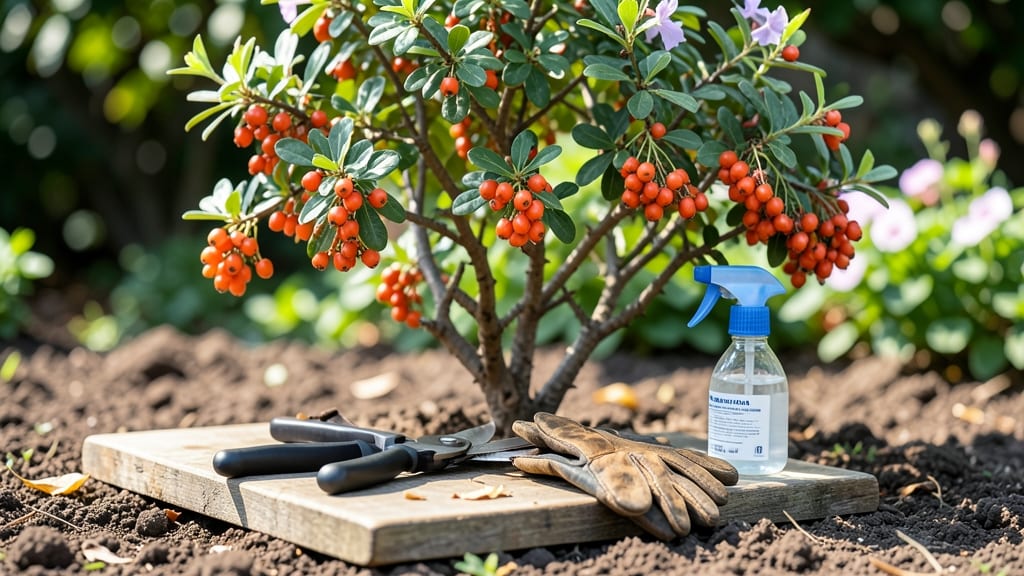
Pruning goji berries in late winter unlocks their full potential—thicker canes, more berries, and plants that look like they belong in a botanical garden. ✂️ I’ve watched my goji bushes go from scraggly to showstopping after just one proper pruning session, and the difference in harvest is night and day.
The key? Timing, sharp tools, and knowing which branches to keep (and which to say goodbye to).
You’ll need basic pruning shears, gloves, and a clear morning to work—goji berries bleed sap when cut, so avoid pruning on hot days. The goal is to shape the plant into an open vase shape, letting sunlight reach the center where most berries form.
Start by removing dead or crossing branches first, then thin out older canes to encourage new growth where the berries actually grow.
After pruning, you’ll notice new shoots emerging by spring, each one a potential berry producer. The plant breathes easier with better air circulation, and those inner branches finally get their turn in the sun.
By summer, your bushes will be loaded with bright red berries—up to 30% more than unpruned plants—and the harvest will keep coming all season long.
This method works for both young plants and mature bushes, though younger ones need less aggressive pruning. If you’ve ever wondered why your goji berries seem sparse or the plant looks overcrowded, this is your reset button. Let’s get those shears ready—your future harvest depends on it.
📚 In This Guide
- What you need
- Instructions
- Tips and common mistakes
- Wrapping up and next steps
What you need
- ● Pruning shears: Sharp, bypass-style shears (3–4 inches long) for clean cuts. Sterilize with rubbing alcohol before and after use.
- ● Loppers: For thicker branches (up to 1.5 inches in diameter)—look for ratchet-style for ease.
- ● Gloves: Heavy-duty, cut-resistant gloves (gardening or pruning-specific) to protect your hands.
- ● Disposable pruning bags: 1–2 heavy-duty bags (10–15 gallons) to collect trimmings and prevent disease spread.
- ● Rubbing alcohol (70%+) or bleach solution: 1 part bleach to 9 parts water for sterilizing tools between cuts.
- ● Goji berry plant: Mature (3+ years old) for best results. Ensure it’s healthy with no signs of pests/disease.
- ● Pruning saw: For stubborn, oversized branches (rare in goji berries but handy for older plants).
- ● Hand sanitizer: For quick cleanups between cuts (especially if you’re pruning multiple plants).
- ● Notebook/pencil: To jot down notes on branch angles, growth patterns, or areas needing extra attention.
- ● Compost bin: For repurposing trimmings into nutrient-rich compost (goji berry prunings break down quickly!).
- ● Safety glasses: If working near your face or in windy conditions (to avoid debris).
Step-by-step guide to pruning goji berries in late winter
Here's how I transform my goji berry bushes into productive powerhouses—just in time for summer's sweet bounty.
✂️ Step 1: Time Your Pruning for Optimal Growth
Late winter—when the bushes are still dormant but before new growth appears—is the perfect window. Aim for 4-6 weeks before your last frost date, typically between February and March in most climates. You'll see bare branches with no leaves or buds, making dead and weak wood easy to spot.
I always prune on a dry, sunny day when the air temperature is above 40°F. Cold, wet conditions stress the plant and can invite fungal infections. Grab your pruners and gloves, then get to work while the branches are still stiff and easy to handle.
✂️ Step 2: Remove Dead, Diseased, or Crossing Branches
Start by cutting out any branches that are dead, diseased, or broken. These are easy to identify—they'll be brown, brittle, or lacking in bark. Snip them back to the main trunk or a healthy lateral branch. Next, look for branches that cross or rub against each other; these create wounds that invite pests and disease.
I make clean cuts at a 45-degree angle, about ¼ inch above a leaf bud or outward-facing branch. This encourages new growth to sprout in the right direction. If you're unsure which branches to keep, remember: goji berries thrive with good airflow, so don't be afraid to thin out crowded areas.
✂️ Step 3: Shape the Bush for Airflow and Sunlight
Goji berries need plenty of sunlight and airflow to produce fruit, so your goal is to create an open, vase-like shape. Start by selecting 3-5 strong, upright branches as your main framework. These should be evenly spaced around the bush and angled outward.
Cut back any branches that grow inward or downward, as these block light and air. Aim to reduce the bush's height by about ⅓—this encourages bushier growth and more berries. You'll know you're on the right track when you can see sunlight reaching the center of the bush and air moving freely through it.
✂️ Step 4: Encourage New Growth with Strategic Cuts
Once the bush is shaped, focus on promoting new growth. Cut back the tips of the remaining branches by about ⅓ to ½ their length. This might seem counterintuitive, but it stimulates the plant to produce more lateral branches, which is where most of the fruit forms.
Pay special attention to branches that are older than 3-4 years. These produce fewer berries and can become woody. Prune them back aggressively to encourage younger, more productive wood. After pruning, step back and admire your work—the bush should look balanced, with plenty of room for new growth to fill in.
🌱 Step 5: Clean Up and Prepare for Spring
After pruning, gather all the clippings and dispose of them in a sealed bag or burn them. This prevents the spread of disease and pests. Next, give the base of the bush a light application of compost or organic mulch to protect the roots and retain moisture as spring approaches.
Finally, water the bush deeply to help it recover from the pruning. You'll see new growth emerging within 4-6 weeks, signaling that your efforts have paid off. Keep an eye out for any signs of stress, like yellowing leaves or wilting, and adjust your care accordingly.
Tips & tricks for pruning goji berries
Late-winter pruning sets the stage for a summer harvest—here's how to avoid common pitfalls and maximize your goji berry's potential.
Timing is Everything: The 4-6 week window before your last frost date is non-negotiable for goji berries. I learned this the hard way—pruning too early risks frost damage, while waiting too long means new growth has already started. Check your local frost dates and mark your calendar! The dormant state makes dead wood especially easy to spot, so take advantage of that clarity.
Cutting Technique Matters: That 45-degree angle isn't just for looks—it prevents water from pooling in the cut, which invites rot. Always cut just above a leaf bud or outward-facing branch to direct new growth where you want it. I keep a small notepad by my gloves to sketch the bush's framework before making any cuts—it helps visualize the final shape.
Airflow is Non-Negotiable: Goji berries produce best when they can breathe. After shaping, run your hand through the center of the bush—if you can't easily slide your fingers through, you need to thin more branches. The goal is sunlight reaching every inch of the bush, not just the outer edges. I use a flashlight during cloudy days to check for shadowed areas that need more pruning.
Post-Pruning Care: The deep watering after pruning isn't just about hydration—it helps the plant recover from the stress of cutting. I always add a handful of compost to the mulch layer after watering to give the roots an extra boost. This is when you'll see those first signs of new growth within 4-6 weeks, proving your work paid off.
Pro Tips for Prune Goji Berry
- Late-winter pruning sets the stage for a summer harvest—here's how to avoid common pitfalls and maximize your goji be...
- Timing is Everything: The 4-6 week window before your last frost date is non-negotiable for goji berries. I learned t...
- Cutting Technique Matters: That 45-degree angle isn't just for looks—it prevents water from pooling in the cut, which...
Frequently asked questions
Got questions about pruning goji berries? You’re not alone! Here are answers to the most common concerns—from timing to tools—to help you master this late-winter task like a pro.
When is the exact best time to prune goji berries?
The ideal window is late winter (just before buds swell but before new growth starts)—typically February to early March in most climates. Prune too early, and you risk cold damage; too late, and you’ll cut off early-season growth. Pro tip: If you miss late winter, a light prune in early spring (after last frost) is better than none!
How do I know which branches to cut?
Focus on three key cuts:
- Dead/diseased wood (snip at the base—no mercy!).
- Crossing or rubbing branches (remove the smaller one to avoid wounds).
- Overcrowded growth (aim for open centers—thin branches to let sunlight hit the inner canopy).
Leave 3–5 main stems per plant for structure, and prune back 1/3 of last year’s growth to encourage bushiness.
Can I prune goji berries in summer? What’s the risk?
Summer pruning is possible but risky. Heavy cuts can stress the plant, reducing fruit yield. If you must prune in summer (e.g., to remove storm damage), do it after fruiting (late August–September) and keep cuts minimal. Light shaping (pinching back tips) is safer—just avoid heavy structural changes!
What if I skip pruning entirely? Will my goji berry plant still produce?
Yes—but expect smaller harvests and weaker growth. Unpruned plants become overcrowded, leading to:
- Fewer berries (energy goes to dense foliage, not fruit).
- Higher disease risk (poor airflow).
- Weaker structure (branches break under fruit weight).
Think of pruning as a health spa for your plant—it rewards you with bigger, sweeter berries!
Are there alternatives to pruning goji berries?
While pruning is the gold standard, you can try:
- Pinching: Lightly pinch back new growth in spring to encourage bushiness (works for young plants).
- Thinning fruit: After flowering, remove some berries to let the plant focus energy on fewer, larger fruits.
- Fertilizing: A balanced organic fertilizer (like 10-10-10) can boost overall health, but it won’t replace pruning.
Bottom line: Pruning is non-negotiable for long-term health—alternatives are band-aids, not solutions!
Wrapping up and next steps
Pruning goji berries in late winter isn’t just about shaping your plants—it’s your secret weapon for a vibrant, fruit-packed summer. 🌱 By mastering the right techniques, you’ll boost airflow, encourage growth, and enjoy a bountiful harvest that rivals the pros.
Whether you’re a beginner or a seasoned gardener, these steps make the process simple and rewarding.
Ready to transform your goji berry bushes? Start today—grab your pruners, review the tips, and get hands-on before spring arrives. Your future harvest (and your neighbors’ jealous glances) will thank you!