
Pruning
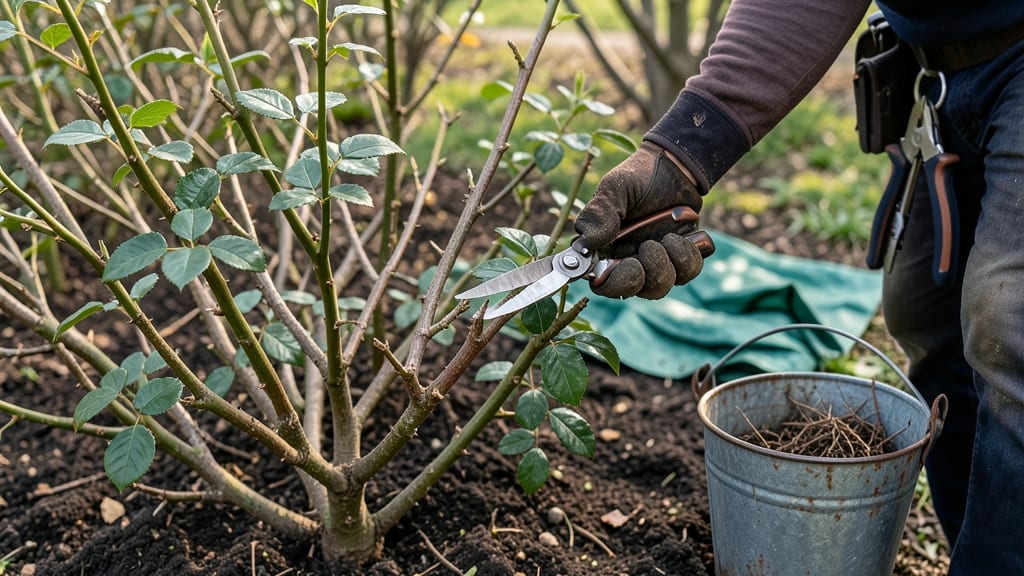
Pruning Knockout roses for winter isn't just about tidying up—it's the secret to bursting new growth by spring. ✂️ I’ve watched these hardy bushes recover from neglect, then explode with blooms by May, all because I learned when and how to cut.
The right timing and technique make all the difference between leggy stems and a full, productive plant.
You’ll need sharp pruners, a clean bucket for clippings, and a sunny day in late fall or early winter—before hard frosts set in. The goal is to cut back about one-third of the plant, removing dead or crossing branches first.
Cut at a 45-degree angle just above an outward-facing bud, and you’ll encourage stronger new shoots next season.
After pruning, apply a 3-inch layer of mulch around the base to insulate roots from freezing temps. Avoid over-pruning—too many cuts stress the plant—and never cut into old wood (the dark, woody stems).
With proper care, your Knockout roses will bounce back faster and fuller than ever, proving winter pruning is worth the effort.
This works for any Knockout variety, whether in containers or garden beds. The key is consistency: prune the same way every year, and you’ll see year-round blooms with minimal effort. Ready to transform your roses for next season?
📚 In This Guide
- What you need
- Instructions
- Tips and common mistakes
- Wrapping up and next steps
What you need
- ● Pruning shears: Bypass pruners (sharp, clean blades) for clean cuts—avoid anvil pruners (they crush stems). Recommended: Felco F-2 or equivalent.
- ● Loppers: For thicker stems (½"–1.5" diameter). Look for ratcheting or bypass loppers (e.g., Corona or Fiskars).
- ● Pruning saw: For stems too thick for loppers (1.5"+). Specs: Curved blade, 8–10" length (e.g., Felco F-27).
- ● Disinfectant: 70% isopropyl alcohol or 10% bleach solution (1 part bleach to 9 parts water) to sterilize tools between cuts.
- ● Garden gloves: Heavy-duty, cut-resistant (e.g., Mechanix Wear or FrogToggs) to protect from thorns.
- ● Rubbing alcohol or hand sanitizer: For quick tool and hand disinfection.
- ● Trash bags or compost bin: For removing pruned debris (avoid composting diseased stems).
- ○ Marking twine or flags: Optional, to label stems for reference if needed.
- ● Timing: Prune after the first hard frost (when roses are dormant) but before freezing temperatures (ideal: late fall to early winter, Zone 6–10).
- ● Weather: Choose a dry, calm day (no rain forecast for 24 hours) to prevent soil splash on cuts.
- ● Safety gear: Safety glasses (if working near eyes) and closed-toe shoes.
- ● Tool maintenance: Sharpen blades before pruning (dull tools tear stems).
- ● Rose health check: Inspect plants for diseases (black spot, powdery mildew)—remove and dispose of infected stems immediately.
- ● Pruning sealant: (e.g., Tanglefoot Tree Wound Pruning Sealer) for large cuts (controversial—skip if unsure).
- ● Garden hose: For rinsing tools post-pruning.
- ● Notebook/pencil: To sketch your pruning plan or track progress.
- ● Mulch: Straw or shredded leaves (2–3" layer) to protect roots after pruning.
Step-by-Step guide to pruning Knockout roses for winter
Here’s how I prepare my Knockout roses for winter—keeping them healthy, strong, and ready to burst back into bloom next spring.
✂️ Step 1: Wait for the Right Time
Never prune too early—wait until after your first hard frost, when the plant has gone fully dormant. You’ll know it’s time when the leaves have turned brown and fallen off naturally, and the stems feel woody to the touch. This usually happens in late fall or early winter, depending on your climate zone.
If you prune too soon, new growth will sprout before winter sets in, and those tender shoots will die back in the cold. I’ve made this mistake before, and it’s frustrating to watch fresh growth get nipped by frost. Patience here pays off with stronger stems next season.
✂️ Step 2: Remove Dead or Diseased Wood
Start by cutting out any stems that are blackened, mushy, or clearly dead. These are easy to spot—they’ll be hollow when you cut into them or covered in mold. Use clean, sharp pruners to make a clean cut just above a healthy bud or outward-facing growth point. This keeps the plant’s energy focused on healthy growth.
If you see signs of black spot or powdery mildew, snip those branches off immediately and dispose of them in the trash—not the compost. I’ve learned the hard way that leaving infected wood behind just spreads disease next year. Sterilize your pruners with rubbing alcohol between cuts to prevent cross-contamination.
✂️ Step 3: Shape the Bush for Balance
Step back and assess the overall shape of your Knockout rose. You want to maintain an open, vase-like form that allows air to circulate freely. Cut back the longest canes by about one-third, making your cuts at a 45-degree angle about ¼ inch above an outward-facing bud. This encourages new growth to spread outward rather than crowding the center.
Don’t worry about being perfect—Knockout roses are forgiving. The goal is to create a rounded shape with plenty of space between branches. If a branch is growing straight up, cut it back to redirect energy to more horizontal growth. You’ll see next spring how much fuller the bush looks because of this simple adjustment.
✂️ Step 4: Thin Out Overcrowded Areas
Look for areas where branches are rubbing against each other or growing too close together. These spots create friction and invite disease. Select the weakest or smallest stems in crowded spots and cut them back to the base. This might seem drastic, but it prevents future problems and keeps the plant’s energy focused on a few strong stems.
I like to thin out the oldest canes first—they’re often the most woody and least productive. If a branch is thinner than a pencil or shows signs of weakness, it’s a good candidate for removal. You’ll be amazed at how much roomier and healthier the plant looks after this step.
🪴 Step 5: Mulch and Protect for Winter
After pruning, spread a 3-inch layer of mulch around the base of the plant, keeping it 6 inches away from the stem to prevent rot. I use shredded bark or straw because they insulate the roots while allowing moisture to drain. This helps protect against extreme temperature swings and keeps the soil from freezing solid.
For extra protection in colder climates, wrap the base of the plant with burlap or frost cloth, securing it loosely so air can still circulate. Avoid plastic, which traps moisture and can lead to rot. Next spring, you’ll see how much healthier the plant is because of this simple winter prep.
Tips & tricks for pruning Knockout roses for winter
Here's what nobody tells you about pruning Knockout roses that'll make all the difference for next year's blooms.
Timing is Everything: I can't stress this enough—waiting until after the first hard frost is critical. If you prune too early, your rose will send out new growth that gets killed by the next freeze. Look for completely dormant plants with no leaves and woody stems. In my zone 6 garden, this usually happens in late November, but your timing depends on your local frost dates. Mark your calendar now so you don't forget!
The 45-Degree Angle Matters: When you make those cuts in Step 3, that 45-degree angle isn't arbitrary—it creates a larger surface area for water to run off, preventing rot. Make sure your cuts are about ¼ inch above an outward-facing bud. I like to visualize an arrow pointing away from the center of the plant when I make each cut. This simple technique prevents water from pooling on the cut and keeps new growth heading outward rather than inward.
Disease Prevention is Non-Negotiable: After removing diseased wood, sterilize your pruners between each cut with rubbing alcohol. I keep a small bottle of 70% isopropyl alcohol in my gardening toolkit specifically for this purpose. The last thing you want is to spread black spot or powdery mildew from one branch to another. And for heaven's sake, don't compost infected branches—toss them in the trash where they can't reinfect your garden.
Mulch Like a Pro: That 3-inch layer of mulch isn't just for looks—it's insulation for your rose's roots. I use shredded bark because it breaks down slowly, providing protection throughout winter while improving soil structure over time. Keep it 6 inches away from the stem to prevent rot, and avoid piling mulch against the base where moisture can accumulate. In my experience, proper mulching makes all the difference in spring recovery.
Pro Tips for Prune Knockout Roses For Winter
- Here's what nobody tells you about pruning Knockout roses that'll make all the difference for next year's blooms.
- Timing is Everything: I can't stress this enough—waiting until after the first hard frost is critical. If you prune t...
- The 45-Degree Angle Matters: When you make those cuts in Step 3, that 45-degree angle isn't arbitrary—it creates a la...
Frequently asked questions
Got questions about prepping your Knockout Roses for winter? You’re not alone! Here are some of the most common concerns—and straightforward answers—to keep your roses thriving year after year.
When is the best time to prune Knockout Roses for winter?
Prune your Knockout Roses late fall to early winter (November–February, depending on your climate). Aim for after the first hard frost but before new growth starts in spring. This timing helps the plant enter dormancy while removing dead or diseased wood. Pro tip: If you’re in a mild-winter zone, wait until late winter to avoid encouraging early growth.
Do I need to cover my Knockout Roses for winter?
Knockout Roses are extremely cold-hardy (USDA Zones 4–9), but a little protection helps in harsh winters. Use mulch (4–6 inches of straw or shredded leaves) around the base and a lightweight cover (like burlap or frost cloth) if temps drop below 10°F (-12°C). Avoid heavy covers that trap moisture—rot is the enemy!
How much should I cut back Knockout Roses in winter?
Trim back 1/3 to 1/2 of the plant’s height, focusing on:
- Dead, diseased, or crossing branches
- Weak or spindly growth
- Stems that rub together (to prevent wounds)
Leave 3–5 strong canes (main stems) to encourage bushy regrowth. Never remove more than half—this can stress the plant and delay spring blooms.
What if I miss winter pruning? Can I prune in spring instead?
Yes! If you skip winter pruning, prune in early spring (just as new growth begins). Focus on removing dead wood and shaping the plant, but avoid heavy pruning—this can set back blooming. Warning: Spring-pruned roses may bloom slightly later than those pruned in winter.
My Knockout Roses look sad after pruning. Did I do it wrong?
Don’t panic! A lean, skeletal appearance is normal after pruning. Give your roses 4–6 weeks to recover before expecting new growth. If leaves turn yellow or stems ooze sap, you may have over-pruned or cut into old wood. Next time, cut just above an outward-facing bud (the “eye” on the stem) at a 45-degree angle.
Wrapping up and next steps
Pruning your Knockout roses for winter isn’t just about tidying up—it’s your secret weapon for bountiful, disease-resistant blooms all year long! By following these simple steps, you’ll set the stage for healthier growth, fewer pests, and stunning flowers that keep coming back.
Now that you’re armed with the know-how, grab those shears and give your roses the care they deserve—your garden will thank you with vibrant, low-maintenance beauty!
Ready to take it further? Mark your calendar for next year’s pruning season and consider adding mulch or protective covers for extra winter support. Happy gardening! 🌹✨