
Pruning
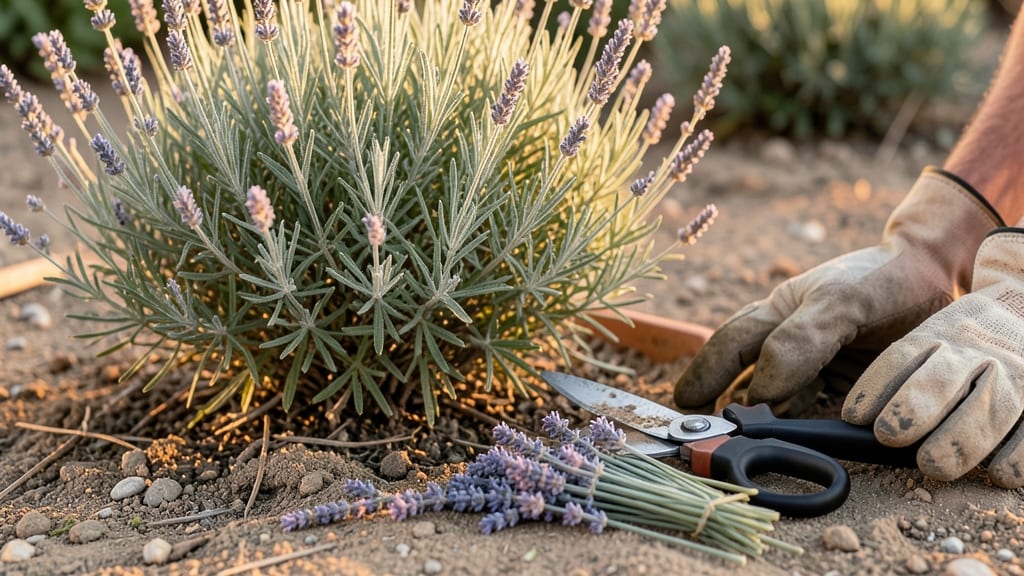
Pruning lavender in fall isn’t just about tidying up—it’s the secret to next year’s lush, fragrant abundance. 🌿 I’ve learned that cutting back at the wrong time can weaken the plant, but timing it right after flowering (and before hard frost) ensures strong new growth.
The key is precision: never trim more than one-third of the plant, and always cut just above a leaf node to encourage bushiness.
You’ll need sharp bypass pruners and a clear day—lavender hates wet stems. Start by removing any dead or woody stems at the base, then lightly trim the remaining growth to shape the plant.
This isn’t about drastic changes; think of it as a gentle reset. The goal is to prevent disease and encourage dense, aromatic foliage for spring.
What you’ll end up with is a lavender bush that’s healthier, more compact, and ready to thrive through winter. The right cuts now mean fewer pests, better air circulation, and those signature purple spikes returning even stronger next season.
Over-pruning is the biggest mistake—it stresses the plant and can kill it.
This method works for all lavender varieties, whether you’re growing it in containers or garden beds. Just avoid late fall pruning (after frost) or you’ll risk winter damage. A little care now means a garden full of fragrance by summer.
📚 In This Guide
- What you need
- Instructions
- Tips and common mistakes
- Wrapping up and next steps
What you need
- ● Bypass pruners (sharp, clean, and sterilized with rubbing alcohol or a 10% bleach solution—1 pair): Specs: 4- to 6-inch blades, ergonomic grip for comfort during extended use.
- ● Why? Bypass pruners make clean cuts without crushing stems, which is critical for lavender’s health.
- ● Hand pruners or loppers (for thicker stems—1 pair): Specs: 6- to 8-inch blades for stems up to ¾-inch thick.
- ● Garden gloves (cut-resistant, 1 pair): Specs: Nitrile-coated or heavy-duty leather to protect against thorns and sharp edges.
- ● Disinfectant spray (70% isopropyl alcohol or 1 part bleach to 9 parts water—small spray bottle): Use this to sterilize tools between cuts to prevent disease spread.
- ○ Garden twine or plant ties (optional but helpful—1 roll): Specs: ¼-inch wide, biodegradable twine to secure stems if needed.
- ● Wheelbarrow or bucket (1): For collecting pruned stems and debris (aim for 5+ gallons capacity).
- ● Hedge shears (if pruning a large hedge—1 pair): Specs: 10-12-inch blades for even, straight cuts.
- ● Pruning saw (for very thick stems—1): Specs: 8-inch curved blade for stems over ¾-inch thick.
- ● Compost bin or bag (1): For repurposing pruned stems as mulch or compost (lavender stems break down eventually!).
- ○ Marking spray (optional for large gardens—small bottle): Use biodegradable paint to mark 1/3 of the plant’s height as a visual guide.
Step-by-step guide to pruning lavender in fall
Here's how I refresh my lavender bushes each autumn—keeping them healthy and blooming like crazy next spring.
✂️ Step 1: Time Your Pruning Perfectly
Prune lavender after the first hard frost but before winter dormancy sets in—typically in late October or November in most climates. This timing lets the plant recover before cold weather hits. You'll know it's ready when the foliage turns slightly brownish and the plant looks dormant but still sturdy.
Don't prune too early—you'll encourage new growth that won't harden off before winter. And don't wait too late—pruning after snowfall stresses the plant. I mark my calendar with the first frost date and schedule pruning 2-3 weeks later to stay in this window.
🌿 Step 2: Gather the Right Tools
Use sharp, clean pruning shears—dull blades crush stems and invite disease. I wipe mine with rubbing alcohol between plants to prevent spreading any potential pathogens. Avoid hedge trimmers; they tear the delicate foliage and leave jagged cuts that heal poorly.
Wear gloves—lavender stems are woody and can splinter. And grab a small bucket or bag to collect the clippings. You'll have more than you think! I also keep a spray bottle of neem oil solution (1 tsp neem oil per quart of water) handy to treat any cuts immediately after pruning.
✂️ Step 3: Shape the Bush with Precision
Cut back one-third of the previous year's growth—never more. Look for the woody base where last year's stems meet the older, thicker wood. Make your cuts just above a leaf node or bud, at a 45-degree angle to encourage water runoff. This prevents rot and directs new growth outward.
Step back often to check your shape—lavender should remain rounded and bushy, not flat-topped like a hedge. Avoid cutting into the old, silvery-green wood at the center; this is the plant's energy reserve. If you accidentally cut too far, you'll know because the center will look bare and the plant may struggle to recover.
☀️ Step 4: Clean Up and Protect for Winter
Remove all clippings from the area immediately—they can harbor pests or diseases. I toss them in the trash, not the compost, because lavender clippings take forever to break down. After pruning, give the plant a light layer of mulch (about 1 inch) around the base, keeping it 2 inches away from the stem to prevent rot.
Apply a thin layer of coarse sand or gravel over the mulch to improve drainage—lavender hates soggy roots. In colder climates, wrap young plants with burlap or use a frost cloth for the first few winters until they establish stronger root systems. This extra protection pays off with bigger blooms next year.
🌱 Step 5: Monitor and Prepare for Spring
Check your lavender in early spring (March or April) for any dead or damaged stems. Prune out any that didn't survive winter immediately—don't wait until summer. Healthy lavender should show new green growth at the tips by this time. If you see yellowing leaves, it's often a sign of overwatering or poor drainage.
Feed the plant in early spring with a balanced, slow-release fertilizer (like 10-10-10) to encourage strong new growth. I mix a handful into the soil around the base and water it in. Avoid high-nitrogen fertilizers—they promote leafy growth at the expense of flowers, which is the last thing you want with lavender!
Tips & tricks for perfect fall lavender pruning
These simple tricks will help you avoid common mistakes and get your lavender ready for a spectacular spring bloom.
Timing is Everything: The 2-3 week window after your first hard frost is your sweet spot. I've learned the hard way that pruning too early can encourage tender new growth that won't survive winter, while waiting too late risks stressing the plant. Check your local frost dates and mark your calendar—this timing difference makes all the difference for next year's blooms.
Tool Selection Matters: Never use hedge trimmers on lavender—they tear the delicate foliage and create jagged cuts that heal poorly. I invest in a good pair of bypass pruners and keep them razor-sharp. For stubborn branches, I use my small hand pruners to make precise cuts. The cleaner the cut, the better the plant recovers. That neem oil solution (1 tsp per quart) I mentioned? It's a game-changer for preventing infection after pruning.
Shape with Purpose: When you're cutting back that one-third of growth, remember lavender naturally grows in a rounded shape. Step back frequently to check your progress—you want to maintain that natural form rather than creating a flat-topped hedge look. The 45-degree angle cuts aren't just for show; they help water run off the stems, preventing rot that can kill your plant over winter.
Winter Protection Secrets: That 1-inch layer of mulch around your lavender's base is crucial, but don't let it touch the stem. I've seen too many plants suffer from rot when mulch piles up against the woody stems. For extra protection in cold climates, I wrap young plants with burlap—it's like giving them a cozy winter blanket. And that coarse sand or gravel layer? It's my secret weapon for preventing soggy roots that lavender absolutely hates.
Pro Tips for Prune Lavender In Fall
- These simple tricks will help you avoid common mistakes and get your lavender ready for a spectacular spring bloom.
- Timing is Everything: The 2-3 week window after your first hard frost is your sweet spot. I've learned the hard way t...
- Tool Selection Matters: Never use hedge trimmers on lavender—they tear the delicate foliage and create jagged cuts th...
Frequently asked questions
about pruning lavender in fall—because every gardener deserves clarity! Here are answers to the most common queries to help you prune like a pro.When is the exact best time to prune lavender in fall?
Prune lavender after the first hard frost (usually late October to November) but before winter sets in. This timing balances dormancy and frost protection. Avoid pruning too early—new growth can’t survive cold snaps!
How much should I cut back? Should I prune lavender hard?
Light is key! Trim 1/3 of the plant’s height (never more than 1/2) and shape by removing dead or woody stems. Avoid "hard pruning" (cutting back to bare stems)—lavender blooms on old wood, so over-pruning delays spring flowers.
What if I miss fall pruning? Can I prune lavender in early spring?
Yes, but spring pruning is less ideal. If you skip fall, wait until early spring (March) before buds swell. Prune lightly to avoid stunting growth. Pro tip: Never prune after mid-summer—it stresses the plant!
My lavender looks sad after pruning. Did I kill it?
Not likely! Lavender may look "shocked" post-prune, but it’s normal. Water lightly (lavender hates soggy roots) and avoid fertilizing. New growth should appear in spring. If stems turn brown, it’s likely dead—trim those out next year.
Can I prune lavender in containers differently?
Container lavender follows the same rules, but check drainage first—root rot is a silent killer. Prune 1/3 of the height, and repot every 2–3 years if roots circle the container. Use fast-draining soil (like cactus mix) to mimic its Mediterranean home.
Wrapping up and next steps
Pruning your lavender in fall isn’t just about tidying up—it’s your secret to vibrant, healthy blooms next spring! By cutting back one-third of the woody stems and shaping with care, you’ll encourage fresh growth and prevent woody overgrowth.
Remember, timing and technique are everything, so take your time and enjoy the process—your garden will thank you! 🌿✨
Ready to transform your lavender patch? Grab your pruners and get started—your future fragrant blooms await! For extra tips, check out our pruning guide or share your progress with fellow gardeners online.