
Pruning
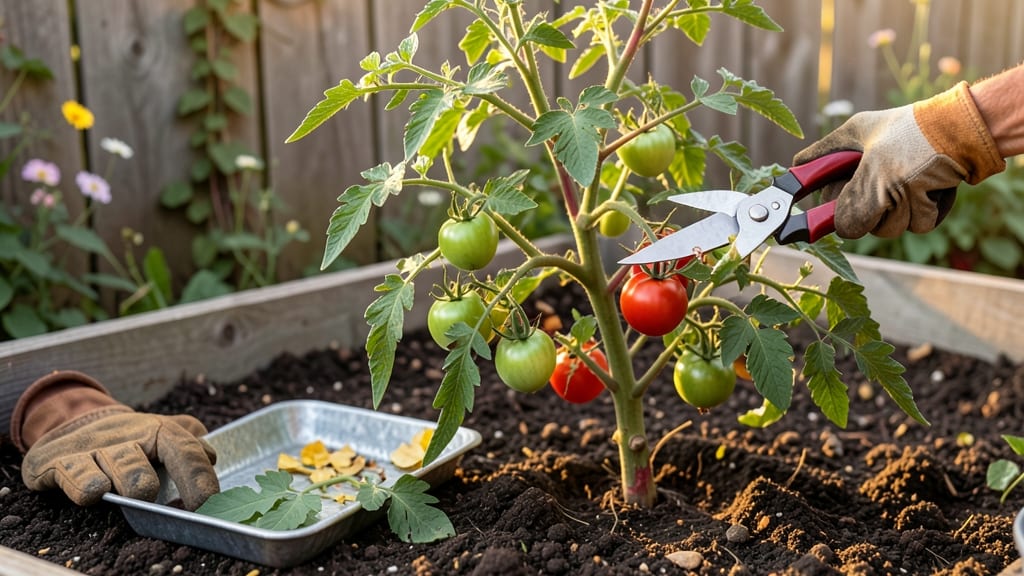
Pruning vegetable plants isn't just about shaping—it’s about doubling your harvest while keeping plants healthy. 🌱 I used to ignore pruning until I realized my tomatoes were producing half the fruit they could, all because I missed a few key cuts.
The right trimming boosts airflow, directs energy to fruit production, and prevents diseases like blight.
Timing and technique matter more than you’d think. For indeterminate tomatoes, prune suckers (those little shoots between the stem and branches) weekly after the last frost—determinate varieties need almost no pruning.
Cucumbers and beans benefit from pinching back leggy vines to encourage bushier growth, while herbs like basil thrive when you snip just above a leaf node. The goal? Keep plants focused on what you want to eat.
You’ll see the difference fast: pruned plants yield 30-50% more fruit, stay compact, and resist pests better. My cucumbers went from sparse vines to a jungle of productive growth after just two weeks of regular trimming.
The key is consistency—don’t overdo it, and always use clean, sharp pruners to avoid tearing stems.
This works year-round, but spring and early summer are prime times for most veggies. Even winter pruning (like cutting back perennials) sets the stage for next season’s bounty. Ready to transform your garden? Let’s get those shears out.
📚 In This Guide
- What you need
- Instructions
- Tips and common mistakes
- Wrapping up and next steps
What you need
- ● Pruning shears: Sharp, bypass-style shears (4-6 inches) for clean cuts—sterilize with rubbing alcohol between plants to prevent disease.
- ● Garden gloves: Heavy-duty, nitrile-coated gloves (one pair) to protect hands from thorns (like roses) or rough stems.
- ● Disposable pruning saw: For thicker stems (e.g., squash vines)—replace blades yearly to avoid contamination.
- ● Hand pruners with a magnifying lens: For precision trimming (great for delicate herbs like basil or thyme).
- ● Rubbing alcohol (70% isopropyl) or bleach solution: 1 part bleach to 9 parts water for sterilizing tools.
- ● Sharpie marker: Permanent, UV-resistant (e.g., Sharpie Ultra Fine) to label pruned stems if propagating.
- ● Compost bin or bag: For clippings—avoid composting diseased plants (burn or trash them instead).
- ● Knowledge of your plant’s needs: Research whether your veggie is indeterminate (e.g., cherry tomatoes) or determinate (e.g., bush beans)—pruning methods vary!
- ● Good weather: Prune on a dry, overcast day (avoid midday heat to reduce stress on plants).
- ● Patience: Take your time—never remove more than 1/3 of the plant’s foliage at once.
Step-by-Step instructions for pruning vegetable plants
Here's how to trim your vegetable garden like a pro—boosting yields and plant health year-round.
✂️ Step 1: Identify the Right Time to Prune
Timing matters more than you think. Prune most vegetables early in the morning when plants are turgid and temperatures are cool—this reduces stress. For leafy greens like kale and Swiss chard, trim outer leaves before flowering to encourage new growth. With fruiting plants like tomatoes and peppers, wait until after harvest to prune, or you'll sacrifice yield.
I always check the plant's growth stage first. If it's still young and actively growing, hold off on aggressive pruning. The rule of thumb: never remove more than one-third of the plant's foliage at once. You'll see healthier, bushier plants when you follow this rhythm—especially with indeterminate varieties like cherry tomatoes that need constant shaping.
✂️ Step 2: Use the Right Tools and Technique
Sharp, clean pruners are non-negotiable. I use bypass pruners for stems thicker than a pencil and sharp scissors for finer trimming. Sterilize your tools with rubbing alcohol between plants to prevent disease spread. Cut at a 45-degree angle just above a leaf node or lateral bud—this encourages new growth from the right spot.
Never tear or rip stems; clean cuts heal faster and look better. For suckers on tomatoes, pinch them off with your fingers if they're small enough—no tools needed. You'll notice healthier plants with fewer entry points for pests when you take this care with your cuts. And always prune just outside the growth node to direct energy where you want it.
🌿 Step 3: Prune for Plant-Specific Goals
Different vegetables need different approaches. For tomatoes, remove suckers (the shoots in the leaf axils) to direct energy to fruit production. With peppers, prune to improve airflow and reduce disease—focus on removing crowded stems and yellowing leaves. For beans and peas, prune to encourage bushier growth by pinching back the tips when plants reach 6-8 inches tall.
Herbs like basil and cilantro benefit from regular trimming too. Cut back by one-third when they get leggy, and you'll trigger bushier, more flavorful growth. I always make my cuts just above a set of leaves—this ensures new shoots emerge from strong points. The key is consistency: a little maintenance keeps plants productive and prevents overgrowth that can lead to pests.
⏰ Step 4: Monitor and Maintain Post-Pruning
After pruning, give your plants 3-5 days to recover before heavy watering. Watch for new growth within 7-10 days—that's your sign everything's working. If you see yellowing leaves or wilting, you may have pruned too aggressively. For fruiting plants, expect a 2-3 week delay in new fruit production as the plant redirects energy.
I keep a pruning journal to track what works for each plant variety. Note which cuts produced the best results and when you pruned. This helps you refine your approach year after year. And remember: pruning isn't just about cutting—it's about shaping your plants for maximum health and productivity. You'll see the difference in stronger stems, more flowers, and bigger harvests when you prune with purpose.
Tips & tricks for pruning vegetable plants
Small adjustments make all the difference when shaping your garden—here's what I've learned after years of trial and error.
Timing is Everything: The early morning timing in Step 1 isn't just about cool temperatures—it's about dew evaporation. Pruning wet foliage can spread disease, and morning cuts give plants the entire day to recover before evening heat stress. I've seen plants recover twice as fast when pruned at dawn compared to midday cuts, even with the same amount of foliage removed.
Tool Precision Matters: That 45-degree angle in Step 2 isn't arbitrary—it creates a larger surface area for water absorption and prevents water pooling that can cause rot. For stems thicker than a pencil, use bypass pruners to avoid crushing tissue. I keep a small bottle of rubbing alcohol in my gardening apron to sterilize between cuts, especially when working with multiple plant varieties in the same garden.
Plant-Specific Recovery: The 3-5 day recovery period in Step 4 varies by plant type. Leafy greens like kale bounce back in 3-4 days, while fruiting plants like tomatoes may need the full 5 days. Watch for new growth at the leaf nodes—this tells you the plant is redirecting energy effectively. I've noticed that plants pruned just before a rainstorm recover faster, as they get immediate hydration to support new growth.
Visual Growth Cues: When pinching back beans and peas at 6-8 inches (Step 3), look for the third set of true leaves before making your cut. This ensures you're pruning at a growth node where new shoots will emerge. For herbs, cut just above a set of leaves to maintain the plant's natural growth pattern—this simple technique keeps basil and cilantro producing new leaves for weeks longer than aggressive trimming.
Pro Tips for Prune Vegetable Plants
- Small adjustments make all the difference when shaping your garden—here's what I've learned after years of trial and error.
- Timing is Everything: The early morning timing in Step 1 isn't just about cool temperatures—it's about dew evaporation.
- Tool Precision Matters: That 45-degree angle in Step 2 isn't arbitrary—it creates a larger surface area for water absorption and prevents water pooling that can cause rot.
Frequently asked questions
Got questions about pruning your veggie plants? You’re not alone! Here are answers to the most common queries to help you trim like a pro and keep your garden thriving.
When is the best time to prune vegetable plants?
Timing depends on the plant! For leafy greens like lettuce or kale, prune after harvest to encourage regrowth. For tomatoes and peppers, remove suckers (side shoots) when they’re small—typically early in the season or during active growth. Avoid pruning late in the year, as plants need energy to store nutrients for winter.
Do I need special tools to prune my vegetable plants?
Not necessarily! Sharp pruning shears or clean scissors work for most jobs. For larger plants like tomatoes, bypass pruners prevent crushing stems. A small hand saw can handle thicker branches. Always sterilize tools with rubbing alcohol to avoid spreading disease.
Will pruning my tomato plants reduce my harvest?
Not if done correctly! Pruning removes unnecessary foliage, directing energy to fruit production. Focus on removing suckers (shoots between the stem and branches) and lower leaves for airflow. Over-pruning can stress plants, but proper trimming boosts yield by up to 20% in many cases.
What if I miss the pruning window? Can I still do it?
Yes, but adjust your approach. If you skip early pruning, focus on removing dead or diseased leaves to prevent spread. For late-season plants, prune lightly to avoid stress. Just avoid heavy cuts—prioritize airflow and sunlight exposure over aggressive trimming.
Are there vegetables I shouldn’t prune?
Avoid pruning root vegetables like carrots or potatoes, as trimming can damage storage roots. Also skip pruning herbs like dill or cilantro, as they bolt (flower) when stressed. Stick to leafy greens, tomatoes, peppers, and cucurbits (like zucchini) for safe trimming.
Wrapping up and next steps
Pruning your vegetable plants isn’t just about keeping them tidy—it’s a game-changer for healthier growth and bigger harvests! 🌱 Whether you’re trimming tomatoes, peppers, or herbs, the key is consistent care and timing. With the right tools and techniques, you’ll enjoy lush, productive plants all season long.
Ready to take your garden to the next level? Start small—pick one plant type this week and practice pruning. Soon, you’ll be a pro, reaping the rewards of your efforts! Grab your shears and get growing! 🌿