
Pruning
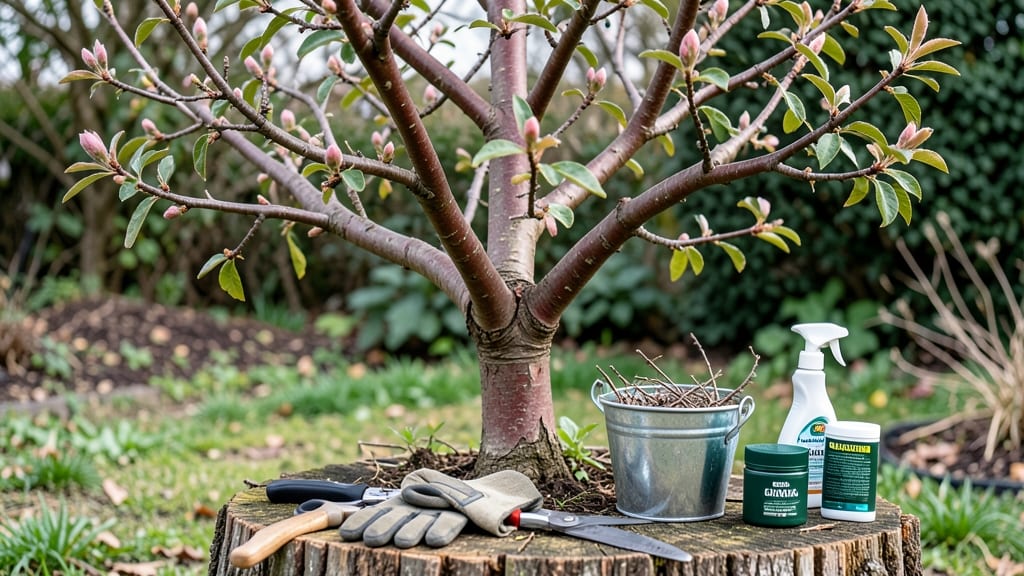
Pruning a nectarine tree in late winter unlocks its full potential—thicker branches, more fruit, and a shape that actually makes sense. 🌳 I’ve watched my own tree go from a tangled mess to a structured, productive powerhouse after just one season of proper pruning.
The key is timing, technique, and knowing where to cut (and where not to). You’ll need sharp pruners, a saw for thicker branches, and a clear day to avoid sap splatter. Focus on removing dead wood first, then thin out crowded branches to improve airflow.
Every cut should aim for an outward-facing bud to encourage healthy growth. Nectarines respond well to open centers, so don’t be afraid to prune back a third of the tree’s height if needed. By summer, you’ll see the difference: fewer crowded branches mean bigger, sweeter fruit.
The tree’s energy shifts from maintenance to production, and pests have fewer hiding spots. Just avoid heavy pruning after harvest—you’ll stress the tree when it’s already working hard to ripen fruit. This works for young trees, mature orchards, and even neglected trees that need a reset.
The first year is about cleanup; subsequent years refine the shape. Here’s how to do it right without overcomplicating things.
📚 In This Guide
- What you need
- Instructions
- Tips and common mistakes
- Wrapping up and next steps
What you need
- ● Pruning shears: Bypass pruners with sharp, clean blades (4-6" blade length for small branches). Pro tip: 💡 Sanitize with rubbing alcohol before and after use to prevent disease spread!
- ● Loppers: For thicker branches (up to 2" diameter). Look for bypass-style loppers for precision cuts.
- ● Pruning saw: For branches thicker than 2" (folding saw with a fine-tooth blade works best).
- ● Gloves: Heavy-duty, cut-resistant gloves (e.g., mechanics or gardening gloves) to protect your hands.
- ● Disposable pruning bags: 3-5 gallon size to collect debris and prevent cross-contamination.
- ● Rubbing alcohol (70% isopropyl) or bleach solution: 1 part bleach to 9 parts water for sterilizing tools.
- ● Pole saw: Extendable saw for high branches (if your tree is tall).
- ● Tree wound dressing: Pruning sealant (controversial but useful for large cuts—skip if your tree is young or healthy).
- ● Ladder: Sturdy, extension ladder (rated for your tree’s height + 3 ft extra).
- ● Notebook & pen: To sketch your tree’s structure or mark cuts for reference.
- ● Safety goggles: Protect your eyes from debris, especially when using a saw.
- ● Best time to prune: Late winter/early spring (just before buds swell) or immediately after harvest for summer pruning.
- ● Weather check: Prune on a dry, cloudy day (avoid frost or rain within 24 hours).
- ● Tree health: Wait until the tree is fully dormant (no active growth) for winter pruning.
Step-by-Step guide to pruning a nectarine tree
Here's how I prune my nectarine tree to keep it healthy, productive, and easy to harvest.
✂️ Step 1: Prune in Late Winter Before Bud Break
Start when the tree is still dormant but just before buds swell—typically February or March in most climates. This timing ensures you remove dead wood without stimulating new growth too early. I look for bare branches or those with no buds; these are the first to go.
Make cuts just outside the branch collar (the swollen area where the branch meets the trunk) at a 45-degree angle. Avoid leaving stubs—these invite disease. Use sharp bypass pruners for clean cuts. I always sanitize my tools with rubbing alcohol between cuts to prevent spreading bacteria.
☀️ Step 2: Thin Out Crossing and Overlapping Branches
Remove any branches that cross or rub against each other—they’ll create wounds and reduce fruit quality. Look for V-shaped intersections where branches grow toward each other. The smaller of the two branches should come out entirely at its base.
Also prune out branches growing straight upward (called "water sprouts") unless they’re part of your desired scaffold. These vertical branches compete for energy and rarely bear fruit. I aim to create an open center with branches spaced 12-18 inches apart—this improves airflow and sunlight penetration.
🌿 Step 3: Shape the Tree for Optimal Fruit Production
Nectarine trees thrive with an open-center or modified central leader shape. For young trees, select 4-6 strong, evenly spaced branches to form the main scaffold. Remove any competing branches growing from the trunk below these main branches.
In mature trees, prune to encourage fruiting spurs (short, stubby branches where fruit forms). Cut back last year’s growth by one-third to one-half, leaving a spur or bud cluster. This redirects energy to fruit production rather than excessive leaf growth. Watch for thick clusters of buds—these are your future fruit zones.
⏰ Step 4: Light Summer Pruning After Harvest
After the main harvest, do a light pruning in late June or early July to remove any dead, diseased, or broken branches. This keeps the tree tidy and prevents pests from overwintering in damaged wood. I also trim back any vigorous shoots that grew too quickly during the season.
This summer pruning shouldn’t exceed 10-15% of the tree’s canopy. Over-pruning stresses the tree and reduces next year’s fruit set. Focus on opening up the center and improving air circulation—this helps prevent fungal diseases like brown rot, which nectarines are prone to.
✂️ Step 5: Clean Up and Monitor Through the Year
After each pruning session, rake up and dispose of all clippings (don’t compost them—they can harbor pests). I also apply a thin layer of mulch around the base to protect the tree and retain moisture. Throughout the growing season, watch for suckers (shoots growing from the base) and remove them promptly.
In fall, do a final light pruning to remove any dead or diseased wood before winter. Avoid heavy pruning then—it stimulates late-season growth that won’t harden off before cold weather. A well-pruned nectarine tree will reward you with larger fruit, better air circulation, and easier harvesting.
Tips & tricks for pruning a nectarine tree
These simple yet powerful techniques will help you prune like a pro and keep your nectarine tree thriving for years to come.
Timing is Everything: The late winter pruning in February or March is non-negotiable for nectarines. This timing lets you remove dead wood without waking up the tree too early. I've learned the hard way—pruning too early can stimulate new growth that won't survive if frost returns. If you miss this window, wait until just before bud break, but don't delay beyond that.
Cutting Technique Matters: When making those 45-degree angle cuts just outside the branch collar in Step 1, I can't stress enough how important it is to avoid leaving stubs. These little nubs become entry points for diseases. Use sharp bypass pruners and make clean cuts—it's worth taking your time here. For larger branches, consider using a pruning saw for cleaner cuts that heal better.
Visualizing the Open Center: Creating that open center with branches spaced 12-18 inches apart in Step 2 is crucial for airflow and sunlight penetration. I like to visualize the tree as an umbrella—you want sunlight to reach all parts of the canopy. When in doubt, step back and look at the tree from all angles to ensure you're maintaining that open structure. This prevents thick clusters of buds that can lead to overcrowding and disease.
Seasonal Pruning Strategy: Remember that light summer pruning in late June or early July should only remove 10-15% of the canopy. I've seen many gardeners overdo it here, thinking more pruning equals better results. The key is balance—remove only what's necessary to maintain shape and remove dead wood. This approach prevents stressing the tree and ensures a good fruit set for next season.
Pro Tips for Pruning A Nectarine Tree
- These simple yet powerful techniques will help you prune like a pro and keep your nectarine tree thriving for years to come.
- Timing is Everything: The late winter pruning in February or March is non-negotiable for nectarines.
- Cutting Technique Matters: When making those 45-degree angle cuts just outside the branch collar in Step 1, I can't stress enough how important it is to avoid leaving stubs.
Frequently asked questions
Got questions about pruning your nectarine tree? You’re not alone! Here are answers to the most common concerns—so you can prune with confidence and keep your tree thriving.
When is the best time to prune a nectarine tree?
The ideal time is late winter or early spring (before buds swell but after severe cold passes). This promotes healthy growth while avoiding disease risks. Light pruning can also be done after harvest to improve airflow and fruit production.
How much can I trim off in one session?
Aim to remove no more than 20-25% of the tree’s canopy in a single pruning. Over-pruning stresses the tree and reduces fruit yield. Young trees can handle slightly more (up to 30%) to establish structure.
What if my nectarine tree isn’t fruiting well after pruning?
Check for these issues:
- Lack of sunlight—thin out dense branches to improve light exposure.
- Improper timing—prune too late in spring? Growth may outpace fruit buds.
- Nutrient deficiency—fertilize with citrus-specific nutrients if soil is poor.
Do I need to prune nectarine trees differently than peach trees?
Mostly no! Both are stone fruit trees with similar pruning needs. However, nectarines are slightly more sensitive to bacterial canker—always sterilize tools with rubbing alcohol and avoid pruning wet wood to reduce risks.
Can I prune a nectarine tree in summer?
Light summer pruning (like removing water sprouts) is fine, but avoid heavy cuts. Summer pruning can stress the tree and increase susceptibility to pests. Save major shaping for dormancy season!
Wrapping up and next steps
Pruning your nectarine tree is a rewarding way to ensure healthier growth, better fruit production, and a stunning shape—and you’ve got all the tools to succeed!
Whether you’re trimming for the first time or refining your technique, remember that patience and consistency are key. 🌿 With the right timing, sharp tools, and a little love, your tree will thrive for years to come.
Now that you’re armed with knowledge, roll up your sleeves and get pruning! Start small if you’re new, and soon you’ll be shaping your nectarine tree like a pro. Happy gardening! 🌟