
Pruning
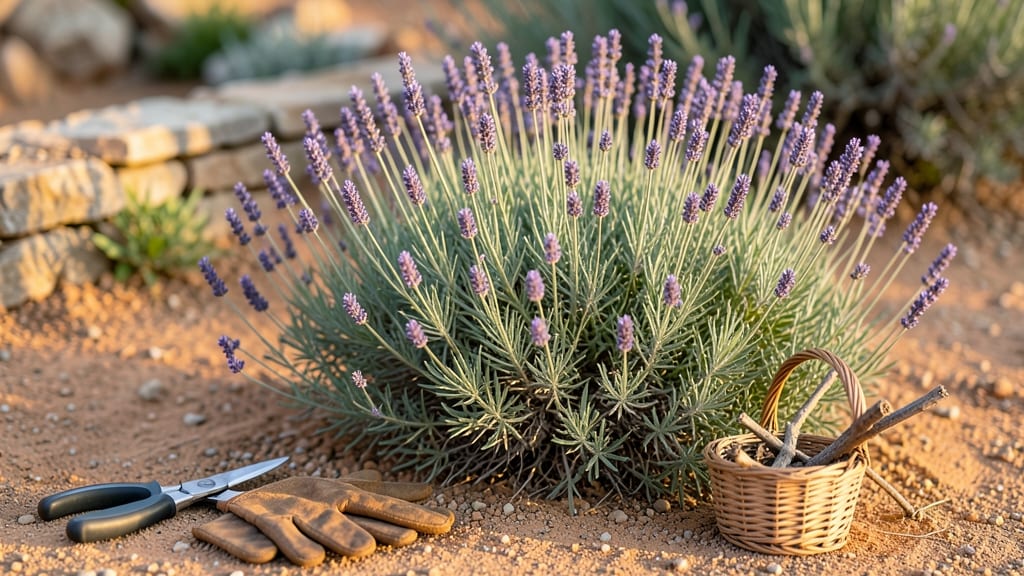
Pruning back lavender after blooming transforms woody stems into lush, fragrant growth that keeps flowering for years. ✂️ I’ve learned the hard way—skipping this step turns my lavender into a leggy, sparse mess.
The key is timing, sharp tools, and knowing exactly where to cut to encourage dense, vibrant new growth instead of bare stems.
You’ll need a pair of clean, sharp bypass pruners and a sunny afternoon after the last flowers fade. Lavender blooms on new wood, so pruning old growth in late summer or early fall gives it time to regenerate before winter.
Avoid cutting into old, bare wood—those stems won’t produce new blooms. Instead, focus on the green, leafy sections just above the woody base.
After pruning, your lavender will reward you with thicker, bushier plants and a stronger fragrance next season. The cuts encourage fresh, compact growth that resists flopping and attracts more pollinators. Just be patient—new blooms won’t appear until the following year, but the payoff is worth it.
For beginners, the biggest mistake is pruning too early or too late. Never trim in spring or fall when new growth is just starting—you’ll sacrifice next year’s flowers. And avoid shearing like you would a hedge; lavender thrives on clean, angled cuts that shape it naturally.
A little precision goes a long way with this drought-loving shrub.
📚 In This Guide
- What you need
- Instructions
- Tips and common mistakes
- Wrapping up and next steps
What you need
- ● Sharp pruning shears or secateurs – Choose bypass-style (not anvil) for precision cuts (1 pair)
- ● Hand pruners – For smaller stems and detailed work (1 pair)
- ○ Garden gloves – Thick, cut-resistant gloves (optional but recommended)
- ● Disinfectant spray – 70% isopropyl alcohol to sterilize tools
- ● Garden twine or rubber bands – For tying up stems if needed
- ● Pruning saw – For thick, woody stems (rare in lavender)
- ● Clean bucket or bag – For collecting clippings
- ● ✅ Timing – Prune right after flowering (late summer/early fall) or early spring (before new growth).
- ● ✅ Weather – Choose a dry, overcast day to avoid stressing the plant.
- ● ✅ Safety first – Ensure no pets or kids are near while handling tools.
Step-by-step guide to pruning back lavender
Revitalize your lavender with these simple cuts—your plants will reward you with bushier growth and longer blooms.
✂️ Step 1: Time Your Prune for Peak Health
Wait until right after flowering—typically late spring or early summer—when about half the blooms have faded. This timing ensures you're not cutting off next year's flower buds hidden in those spent stems. If you prune too early, you risk stunting growth; too late, and you encourage leggy, weak stems.
Check the plant's overall health first. If your lavender looks woody, overgrown, or leggy, it's definitely time for a haircut. Healthy lavender has sturdy green stems and a compact shape. If you see brown, crispy stems at the base, that's a sign of neglect—prune to remove them entirely.
✂️ Step 2: Gather Your Tools and Prep the Plant
Use clean, sharp pruning shears—dull blades crush stems and invite disease. Wipe them down with rubbing alcohol before and after to prevent spreading bacteria. Avoid hedge trimmers; they tear lavender's delicate stems. I like to work on a dry, sunny morning when the plant is fully hydrated but not wet.
Remove any dead, diseased, or crossing branches first. These compete for energy and can harbor pests. Snip them back to a healthy green stem or the main branch. If your lavender has long, bare stems, cut those back by one-third to encourage new growth from the base. Never prune more than one-third of the plant at once—lavender is tough but not indestructible.
✂️ Step 3: Make Clean Cuts at the Right Angle
Cut just above a set of leaves or a side branch—never leave a stub. The goal is to encourage new growth from those leaf nodes. Angle your cut 45 degrees to shed water away from the stem, reducing rot risk. If you're unsure where to cut, look for the small bump where a side branch meets the main stem—that's your target.
For overgrown lavender, shape it into a rounded mound rather than a flat top. This mimics its natural growth habit and prevents water pooling. Step back occasionally to check your progress—you want a neat, even silhouette, not a lopsided mess. Avoid cutting into old, bare wood at the base; this kills the plant.
💧 Step 4: Post-Prune Care for a Strong Recovery
Water deeply right after pruning to help the plant recover. Lavender is drought-tolerant, but fresh cuts need moisture to heal. Stick your finger 1 inch into the soil—if it's dry, water until it's evenly moist but not soggy. Avoid wetting the foliage to prevent fungal issues. I usually water in the early evening to reduce evaporation.
For the next 4-6 weeks, keep an eye out for new growth at the base. This is your sign the prune worked. If you see yellowing leaves, it might mean over-pruning or poor drainage. In that case, trim back even more lightly next time. Feed with a balanced fertilizer (like 10-10-10) only if the soil is nutrient-poor—lavender often thrives in lean conditions.
☀️ Step 5: Maintain Year-Round for Long-Term Health
After the initial prune, lightly trim in early spring to shape and remove any winter-damaged stems. Lavender grows slowly, so one major prune per year is plenty. If your plant gets too woody, you can renew it by cutting it back by half in spring—it’ll bounce back with fresh growth, though it may take a season to rebloom.
Watch for pests like spider mites after pruning. They love stressed plants. Spray with neem oil if you spot webbing or tiny bugs. Mulch lightly with gravel or pebbles (not organic mulch) to keep roots cool and prevent rot. With proper pruning, your lavender will stay compact, fragrant, and blooming for years.
Tips & tricks for pruning back lavender
Here's what nobody tells you about keeping your lavender looking its best after the big cut.
Timing Secret: The best time to prune is when about half the blooms have faded—this is your visual cue that the plant has finished flowering for the season. I've made the mistake of pruning too early when buds were still forming, and my lavender barely bloomed the next year. If you're unsure, wait until you see those first brown buds appear among the purple flowers.
Tool Technique: Sharp pruning shears are non-negotiable—dull blades tear stems and create jagged cuts that heal poorly. I keep a small bottle of rubbing alcohol in my gardening toolkit to wipe down shears between plants. This prevents spreading any potential bacterial infections from one plant to another. For stubborn branches, use a small saw designed for pruning, but only if your shears can't handle it.
Visual Cues for Clean Cuts: When making your cuts, look for the small bump where a side branch meets the main stem—that's your target spot. Cutting just above this bump encourages new growth from that exact location. For a quick way to check your angle, imagine you're cutting a slice off a pie—your cut should be at a 45-degree angle to help water run off the stem. This small detail makes a big difference in preventing rot.
Post-Prune Recovery: After giving your lavender a haircut, resist the urge to fertilize immediately. The plant needs time to recover and establish new growth before you add nutrients. I've found that waiting 4-6 weeks before fertilizing gives the roots time to adjust, especially if you notice any yellowing leaves during this period. This is your plant's way of telling you to go easy!
Pro Tips for Pruning Back Lavender
- Here's what nobody tells you about keeping your lavender looking its best after the big cut.
- Timing Secret: The best time to prune is when about half the blooms have faded—this is your visual cue that the plant has finished flowering for the season.
- Tool Technique: Sharp pruning shears are non-negotiable—dull blades tear stems and create jagged cuts that heal poorly.
Frequently asked questions
Got questions about pruning lavender?
You’re not alone! Here are answers to the most common concerns—so you can keep your lavender thriving with confidence.
When is the best time to prune lavender?
Prune lavender right after it finishes blooming (typically late spring to early summer). Avoid cutting back in fall or winter, as this can damage new growth or leave plants vulnerable to cold. If you miss the window, a light trim in early spring is better than nothing—but expect fewer blooms that year.
How much should I cut back lavender?
Never remove more than one-third of the plant’s height in a single pruning. For most lavender, this means trimming just the woody, spent stems down to green growth. Over-pruning can kill the plant or leave it leggy. Think of it like giving lavender a haircut—not a buzz cut!
What if my lavender looks sad after pruning?
If your lavender appears leggy, sparse, or brown post-prune, it might be over-pruned or stressed. Give it time (4–6 weeks) to recover, and avoid heavy watering—lavender hates soggy roots. If the center looks hollow, it’s a sign of death from over-pruning; in this case, start fresh with a new plant.
Can I prune lavender in containers differently?
Container-grown lavender follows the same rules, but check drainage first—root rot from poor soil can mimic pruning stress. Trim lightly (1/3 max) and repot every 2–3 years to refresh soil. Containers dry out faster, so prune just after blooming and avoid pruning in hot afternoons to reduce shock.
What if my lavender doesn’t bloom after pruning?
Lavender blooms on new wood, so if it skips blooms, you may have pruned too late (after summer) or too aggressively. Next year, prune earlier and lighter. Also, ensure it gets full sun (6+ hours/day) and well-draining soil—without these, even perfect pruning won’t help!
Wrapping up and next steps
Pruning back lavender might seem intimidating, but with the right tools and timing, it’s a simple way to keep your plants thriving! Remember, regular pruning promotes healthier growth, longer blooms, and that signature fragrance—so don’t skip it.
Now that you’re armed with the know-how, grab those shears and give your lavender the care it deserves. Next, why not share your new pruning skills with fellow gardeners or snap a photo of your flourishing lavender for inspiration? 🌿✨