
Pruning
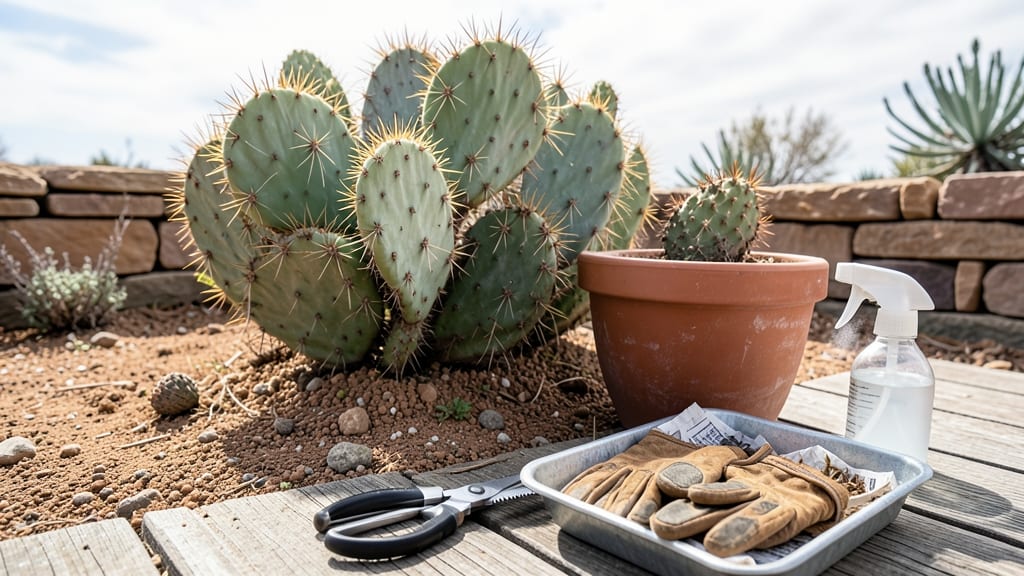
Pruning cactus plants isn't just about shaping—it’s about saving them from slow death by neglect. 🌵 I’ve watched my own cacti turn into sad, leggy sticks because I ignored the signs, but once I learned the right cuts, they bounced back with fresh, sturdy growth.
The key is timing: late spring or early summer, when the plant is actively growing but before the heat peaks.
You’ll need just three things: sharp, clean pruners (sterilized with rubbing alcohol), thick gardening gloves, and a small container of well-draining soil. The gloves aren’t optional—cactus spines are sneaky, and I’ve learned that lesson the hard way.
Prune only healthy segments, cutting just above a node where new growth can sprout. Never prune more than a third of the plant at once, or you’ll shock it.
After the cut, let the segments dry for a few days to callus over before replanting. The new offsets will appear within weeks, and your cactus will look fuller than ever. It’s like giving your plant a fresh start—just with less drama than a full transplant.
The best part? You can propagate those cuttings into new plants, and suddenly, you’ve got a cactus collection without spending a dime.
For desert varieties, prune after the last frost; for tropical cacti, wait until the heat of summer. And here’s a pro tip: if your cactus gets too tall and top-heavy, prune the top third to encourage bushier growth.
Just avoid pruning in winter—cacti are dormant, and cuts won’t heal properly. Now grab those shears and get to work!
📚 In This Guide
- What you need
- Instructions
- Tips and common mistakes
- Wrapping up and next steps
What you need
- ● Clean, sharp pruning shears or scissors – Opt for sterilized tools (rubbing alcohol or bleach wipe works) to prevent infections. Bypass pruners (for larger pads) or small bypass scissors (for tiny offsets) are ideal.
- ● Gloves (thick, cut-resistant) – Cactus spines can be sneaky! Choose gardening gloves rated for prickly plants or leather work gloves for extra protection.
- ● Rubbing alcohol (70%+ isopropyl) or hydrogen peroxide (3%) – 1 small bottle for sterilizing tools before and after pruning.
- ● Cactus/succulent soil mix – 1 small bag (5–10 lbs) for repotting offsets or rooting cuttings.
- ● Perlite or coarse sand – 1 small bag to improve drainage in soil mixes (add 10–20% by volume).
- ● Small pots or trays (2–4 inches in diameter) – 2–4 units for propagating cuttings or storing offsets.
- ○ Rooting hormone (optional but helpful) – 1 small tube to boost success rates for cuttings.
- ● Newspaper or cardboard – For a clean workspace (cactus spines fly!).
- ● Spray bottle with water – To mist cuttings and prevent dehydration.
- ● Twine or plant labels – If you’re propagating multiple cuttings, label them to track varieties.
- ● Disposable gloves – For quick cleanups if you’re extra cautious.
- ● Sunlight grow lights (LED) – If propagating indoors and natural light is limited.
Instructions for pruning cactus plants like a pro
Here's the method I rely on to keep my cacti thriving—whether you're trimming for shape, propagation, or health.
✂️ Step 1: Choose the Right Time and Tools
Prune your cactus during its active growing season, which is typically spring or early summer. This ensures the plant has energy to heal and regrow. Never prune in winter when the plant is dormant—it won’t recover well. I always use sterilized pruning shears or a sharp knife to make clean cuts. Disinfect your tools with rubbing alcohol before and after to prevent infections.
Wear thick gloves—cactus spines are no joke! I like to use leather gardening gloves with long sleeves to protect my arms. If you don’t have gloves, wrap your hands in thick cloth or use tongs to handle the plant. The goal is to avoid getting pricked while keeping your cuts precise.
🌱 Step 2: Identify What to Prune
Look for dead, damaged, or diseased sections first—these are easy to spot because they’re shriveled, discolored, or mushy. Healthy cactus segments are firm, green (or their natural color), and free of spots. If a branch is growing in an odd direction or looks leggy, it’s a good candidate for pruning to encourage bushier growth.
For propagation, choose pads or segments that are at least 2 inches long and have a few spines. These will root best. I usually prune just above a node or joint where new growth can emerge. Avoid cutting into the main body of the cactus unless it’s absolutely necessary—this can stress the plant.
✂️ Step 3: Make Clean, Precise Cuts
Hold the cactus firmly and make your cut at a 45-degree angle about ¼ inch above a node or joint. This angle helps water run off the cut and reduces the risk of rot. If you’re removing a large section, cut it off in one smooth motion—hesitation can crush the plant tissue and invite pests.
For smaller trims, like shaping a cactus, use the shears to snip just above a spine cluster. Avoid tearing the plant—this can leave jagged edges that heal poorly. If you accidentally damage the cactus, don’t worry; just focus on keeping the area clean and dry to prevent infection.
💧 Step 4: Let Cuts Heal and Prepare for Propagation
After pruning, let the cuts dry out for 3-5 days in a warm, dry place. This allows the cut ends to callus over, which prevents rot when you eventually plant them. Place the cuttings in a shaded, well-ventilated area. I like to lay them on a paper towel to absorb any excess moisture.
Once the cuts are callused, you can propagate them. Dip the cut end in rooting hormone (optional but helpful) and plant it in well-draining cactus soil. Water lightly only after the cutting has rooted, which usually takes 4-6 weeks. Overwatering at this stage is the fastest way to kill your new plant.
☀️ Step 5: Care for the Pruned Plant
After pruning, give your cactus bright, indirect light for a few weeks to help it recover. Avoid direct sunlight until new growth appears, which usually happens within 2-4 weeks. Water sparingly—only when the soil is completely dry. Cacti store water in their stems, so they don’t need frequent watering.
Watch for signs of stress, like yellowing or wrinkling. If you see these, reduce watering further. Healthy cacti will show new growth at the pruned areas, indicating they’re recovering well. If you notice any soft spots or foul smells, your cuts may be infected—remove the affected area immediately and treat with a fungicide if needed.
Tips & tricks for pruning cactus plants
These simple tricks will help you prune like a pro and keep your cacti thriving for years.
Timing is Everything: Spring and early summer are the best times to prune—this is when your cactus is actively growing and can heal quickly. I’ve learned the hard way that pruning in winter can shock your plant, especially if it’s dormant. If you must prune outside this window, wait until the weather warms up a bit to give your cactus a fighting chance to recover.
Tool Prep Matters: Before you even touch your cactus, sterilize your pruning shears or knife with rubbing alcohol. This simple step prevents infections that can turn a healthy cut into a rotten mess. I also like to wear leather gloves—trust me, the spines are sharper than they look! If you don’t have gloves, wrap your hands in thick cloth or use tongs to handle the plant safely.
Precision Cuts Prevent Problems: When making your cuts, aim for a 45-degree angle about ¼ inch above a node or joint. This angle helps water run off the cut, reducing the risk of rot. For larger sections, cut in one smooth motion—hesitation can crush the plant tissue and invite pests. If you’re shaping your cactus, snip just above a spine cluster to keep the look clean and natural.
Healing is Key: After pruning, let the cuts dry out for 3-5 days in a warm, dry place. This callusing process is crucial—it prevents rot when you eventually plant the cuttings. I place mine on a paper towel in a shaded spot to absorb any excess moisture. Once callused, you can propagate them, but remember: patience is key here. Overwatering at this stage is the fastest way to kill your new plant.
Pro Tips for Pruning Cactus Plants
- These simple tricks will help you prune like a pro and keep your cacti thriving for years.
- Timing is Everything: Spring and early summer are the best times to prune—this is when your cactus is actively growin...
- Tool Prep Matters: Before you even touch your cactus, sterilize your pruning shears or knife with rubbing alcohol. Th...
Frequently asked questions
Got questions about pruning your cactus plants? You’re not alone! Here are some of the most common concerns—and their answers—to help you prune with confidence.
When is the best time to prune a cactus?
The ideal time to prune cactus plants is during their active growing season, which typically runs from spring to early summer. Avoid pruning in winter, as the plant is dormant and more vulnerable to stress or rot. If you must remove damaged sections, do so carefully even outside of the growing season.
Can I prune a cactus without gloves?
Not recommended!
Cactus spines can be sharp and irritating, even for those with sensitive skin. Always wear thick gardening gloves (preferably leather or heavy-duty) to protect your hands. If you’re working with a particularly spiky variety, consider using long sleeves or a face shield for extra safety.
What should I do with the cuttings after pruning?
Once you’ve removed healthy cuttings, let them dry in a warm, shaded spot for 3–5 days to form a callous. Afterward, plant them in well-draining soil or place them in a container with perlite until roots develop. This process mimics their natural adaptation to arid conditions and prevents rot.
My cactus is leaking sap after pruning—is this normal?
Yes! Some cacti (like mammillaria or echinocactus) may ooze a milky or clear sap when cut. This is harmless and part of the plant’s healing process. Just let it dry naturally—don’t rinse it off. If the sap turns yellow or smells foul, it could indicate infection, so adjust your pruning tools and use a fungicide if needed.
How do I know if I’ve pruned too much?
Over-pruning can stress your cactus, leading to stunted growth or even death. As a general rule, never remove more than 1/3 of the plant’s total volume in a single session. If you notice yellowing, wilting, or excessive sap oozing post-prune, you’ve likely gone too far. Give your cactus time to recover with bright, indirect light and minimal water.
Wrapping up and next steps
Pruning your cactus isn’t just about keeping it tidy—it’s a game-changer for its health and growth! 🌵 With the right tools, timing, and techniques, you’ll encourage stronger spines, vibrant blooms, and a thriving plant year-round. Remember, patience and precision are key, so don’t rush the process.
Now that you’re armed with knowledge, roll up your sleeves and give your cactus the care it deserves! Start by inspecting your plant this weekend—you’ll be amazed at the transformation. Happy pruning! 🌟