
Pruning
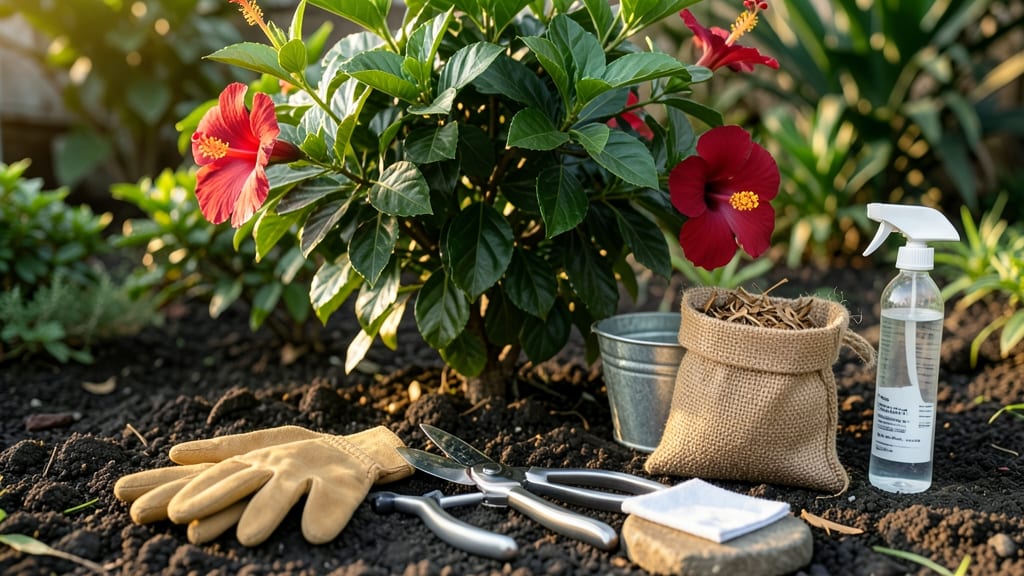
Pruning hibiscus plants in Florida isn’t just about shaping—it’s about unlocking year-round blooms while keeping them drought-resistant through our brutal summers. 🌿 I’ve learned the hard way that Florida’s humidity and pests demand a different approach than pruning in cooler climates.
The key is timing: late winter or early spring, before new growth surges, gives your plants the best chance to recover and flower nonstop.
You’ll need sharp bypass pruners, heavy-duty gloves (those thorns are no joke), and a clean cutting surface to prevent disease. Florida’s heat means cuts heal faster, but you still want to avoid ragged edges that invite pests.
Focus on removing dead wood first, then thin out crowded branches to improve airflow—this cuts down on fungal issues that thrive in our sticky air.
After pruning, your hibiscus will reward you with bold, glossy leaves and a bushier shape within weeks. The secret is to cut just above a leaf node at a 45-degree angle, encouraging new growth from there.
Water deeply afterward, but don’t overdo it—Florida’s humidity means roots need room to breathe, not soggy soil.
This method works for both tropical and hardy hibiscus varieties, making it perfect for Florida’s diverse climate zones. With the right technique, your plants will stay healthy, vibrant, and blooming through every season—no matter how intense the heat or rain gets.
📚 In This Guide
- What you need
- Instructions
- Tips and common mistakes
- Wrapping up and next steps
What you need
- ● Sharp bypass pruners – 1 pair (sterilized with rubbing alcohol to prevent disease). Why? Dull blades tear stems, inviting pests.
- ● Clean, high-quality hand pruners – 1 pair (for smaller branches, ¼”–½” thick). Pro tip: Oil blades after use!
- ● Disinfectant (70% isopropyl alcohol or bleach solution) – 1 small spray bottle (mix 1 part bleach + 9 parts water).
- ● Heavy-duty gloves – 1 pair (nitrile or leather to protect from thorns and sap).
- ● Garden shears or loppers – 1 pair (for thicker branches, up to 1” diameter).
- ● Rubbing alcohol or hydrogen peroxide (3%) – Small bottle (for sterilizing tools between cuts).
- ○ Pruning saw (optional but helpful) – 1 (for stubborn, woody stems >1” thick).
- ● Hibiscus fertilizer – Balanced 10-10-10 or bloom booster (apply post-pruning for a nutrient kick).
- ● Mulch (pine bark or shredded leaves) – 2–3 inches (retains moisture in Florida’s dry spells).
- ● Plant tie or twine – Roll of ¼” width (supports new growth if needed).
- ● Spray bottle with water – 8 oz (keeps cuts hydrated in hot afternoons).
Step-by-Step guide for pruning hibiscus in Florida
Here’s how to trim your hibiscus for drought resilience and nonstop blooms—Florida’s heat and humidity demand smart cuts.
🌿 Step 1: Time Your Pruning for Florida’s Climate
Prune hibiscus in late winter or early spring (February–March) before new growth begins. This timing avoids damaging buds set during cooler months and prevents frost damage. Florida’s mild winters mean you can also trim lightly after summer blooms fade, but never cut back after October—new growth won’t harden off before cold snaps.
Watch for new leaf buds along stems as your cue. These plump, green swellings signal the plant’s readiness to regrow. If you prune too early, you’ll sacrifice potential blooms; too late, and you risk weak growth before summer’s peak heat.
✂️ Step 2: Remove Dead, Diseased, or Weak Growth
Start by cutting out any brown, mushy, or hollow stems with clean, sharp pruners. Hibiscus is prone to fungal issues in Florida’s humidity, so remove infected branches 6 inches below the damage to prevent spread. Healthy stems feel firm and green, while diseased ones ooze or crumble when touched.
Next, trim crossing or rubbing branches—these create wounds that invite pests. Look for stems growing inward or tangled; cut them back to an outward-facing bud. This opens airflow, reducing humidity-related stress. Always make cuts at a 45-degree angle just above a leaf node to encourage faster healing.
☀️ Step 3: Shape for Sun Exposure and Airflow
Hibiscus thrives in full sun, so prune to create an open, rounded shape. Focus cuts on the outer edges of the plant, removing up to one-third of the oldest wood to encourage new, vigorous growth. Avoid "topping" (cutting the main stem flat)—this stresses the plant and delays blooms.
Step back and visualize sunlight paths. Trim branches that block light from reaching the center, where buds form. In Florida’s intense sun, this prevents scorched leaves and ensures even blooming. Leave 3–5 main branches as your plant’s framework; these will support next season’s flowers.
💧 Step 4: Post-Pruning Care for Drought Resistance
Water deeply immediately after pruning to help the plant recover. Hibiscus in Florida need 1–2 inches of water weekly, but reduce frequency after pruning to prevent root rot. Mulch with 2–3 inches of organic mulch (like pine bark) to retain moisture and protect roots from temperature swings.
Fertilize lightly with a balanced, slow-release fertilizer (10-10-10) 4–6 weeks after pruning. Hibiscus blooms best with moderate nutrients, not heavy feeding. Over-fertilizing leads to lush foliage but fewer flowers—your goal is strong stems, not just leaves.
⏰ Step 5: Monitor for New Growth and Adjust
Within 2–3 weeks, you’ll see new leaf buds along pruned stems. These signal successful trimming. If growth stalls after 4 weeks, check for over-pruning—hibiscus can recover from aggressive cuts, but too much stress delays blooms. In Florida’s heat, expect summer blooms 8–12 weeks after pruning.
Watch for yellowing leaves or dropped buds—these often mean underwatering or nutrient deficiency. Hibiscus in Florida’s drought-prone areas may need drip irrigation to deliver consistent moisture. Adjust your pruning next year if blooms taper off; lighter cuts in late summer can extend the season.
Tips & tricks for pruning hibiscus in Florida
Florida's unique climate makes hibiscus pruning an art—here's how to avoid common mistakes and get the most stunning blooms.
Timing is Everything: The February–March window is critical because hibiscus sets buds during Florida's cooler months. If you prune too early, you risk cutting off potential blooms before they form. I've seen plants completely skip summer flowering when pruned in January—wait for those first leaf buds to swell along the stems before you start cutting. And remember, never prune after October, even in South Florida, because new growth won't harden off before cold snaps.
Tool Prep Makes All the Difference: Before you begin, sterilize your pruners with rubbing alcohol to prevent spreading fungal diseases that thrive in Florida's humidity. I learned this the hard way after losing three plants to root rot from contaminated tools. Always cut at a 45-degree angle just above a leaf node—this creates a larger surface area for faster healing and prevents water from pooling on the cut, which can lead to rot in our wet climate.
Shape with Purpose: When you're shaping your hibiscus in Step 3, think of it like sculpting a fountain. The goal is to create an open, rounded shape that directs sunlight to the center where buds form. I like to leave 3-5 main branches as the framework—these will support next season's flowers. Avoid the temptation to "top" your plant by cutting the main stem flat; this stresses the plant and can delay blooming for months in Florida's heat.
Post-Pruning Care is Key: After your cuts, water deeply but reduce frequency to prevent root rot—a common issue in Florida's heavy soils. The 2-3 inches of organic mulch (like pine bark) acts like a moisture blanket, protecting roots from temperature swings that can occur even in our mild winters. I've seen plants recover beautifully when given this care, while neglected ones struggle through summer with yellowing leaves and dropped buds.
Pro Tips for Pruning Hibiscus Plants In Florida
- Florida's unique climate makes hibiscus pruning an art—here's how to avoid common mistakes and get the most stunning blooms.
- Timing is Everything: The February–March window is critical because hibiscus sets buds during Florida's cooler months.
- Tool Prep Makes All the Difference: Before you begin, sterilize your pruners with rubbing alcohol to prevent spreading fungal diseases that thrive in Florida's humidity.
Frequently asked questions
about pruning hibiscus in Florida’s climate—because even the most vibrant blooms need a little TLC! Here’s what you’ve been wondering:When is the best time to prune hibiscus in Florida?
Prune after the first frost (late winter/early spring) to avoid cold damage, but also trim lightly after blooming to encourage new growth. Florida’s mild winters mean you can often prune year-round—just avoid heavy cuts during summer heatwaves.
How much can I trim back my hibiscus without harming it?
For tropical hibiscus, cut back one-third of the plant’s height to shape it or remove dead wood. Hardy hibiscus can handle half their height trimmed—just avoid over-pruning, which stresses the plant. Think of it like giving your hibiscus a drought-resistant haircut!
Will pruning help my hibiscus survive Florida’s droughts?
Yes! Pruning removes excess foliage, reducing water loss. Focus on thinning out crowded branches and deadheading spent blooms to redirect energy to root growth. Mulch after pruning to retain moisture—your hibiscus will thank you with hardier blooms!
What if my hibiscus leaves turn yellow after pruning?
Yellow leaves often signal over-pruning or root stress. If it’s mild, your plant may recover with time and proper watering. For severe yellowing, check for pests (like spider mites) or root rot—adjust your pruning next time to smaller cuts and improve drainage.
Can I prune hibiscus to encourage more flowers?
Prune just above a leaf node (where leaves grow) to stimulate new shoots and blooms. Remove only dead or weak branches—never cut into old wood, as it won’t regrow. Think of it as training your hibiscus to bloom like a Florida superstar!
Wrapping up and next steps
Pruning your hibiscus plants in Florida isn’t just about keeping them tidy—it’s your secret weapon for vibrant, drought-resistant blooms year-round! 🌺 By mastering the right timing, tools, and techniques, you’ll encourage healthier growth, better airflow, and stunning flowers that thrive even in Florida’s toughest conditions.
Remember, consistency is key, so grab those shears and get pruning!
Ready to transform your hibiscus into a blooming powerhouse? Start with a single branch today—you’ll be amazed at the difference a little trimming can make! For extra tips, check out our hibiscus care guide or join a local gardening group to share your progress. Happy pruning! ✂️🌿