
Pruning
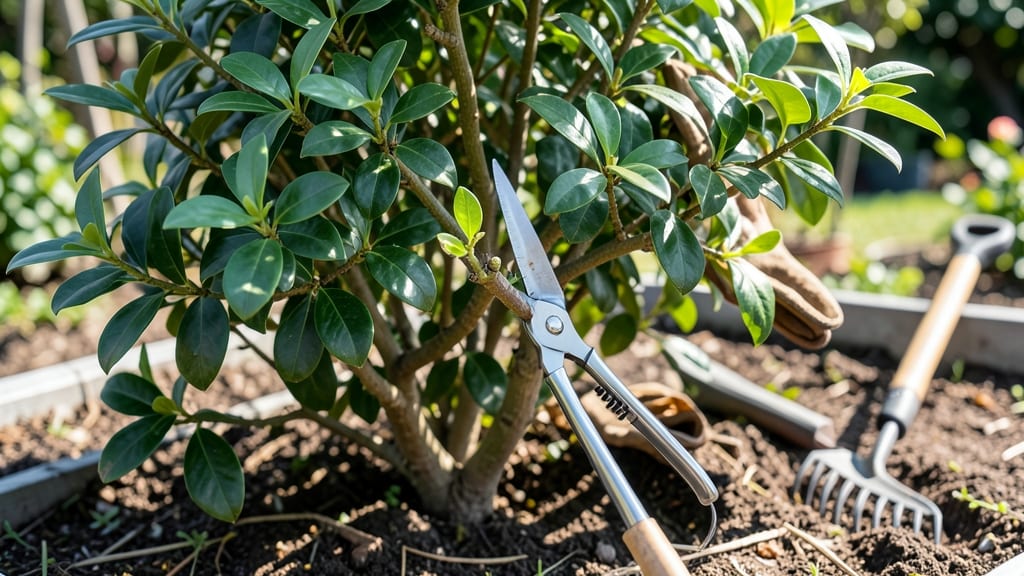
Pruning jasmine shrubs encourages lush growth and vibrant blooms by eliminating dead branches, refining the plant's shape, and stimulating fresh growth. The ideal window is late winter to early spring, before new shoots appear, using sterilized pruners to make angled cuts just above leaf nodes.
Jasmine thrives when you prune it during its dormant phase, which aligns with nature's cycle. 🌿 This timing minimizes stress on the plant while maximizing its ability to rebound with energy for the growing season.
I've seen firsthand how precise cuts at 45-degree angles encourage stronger regrowth—it's all about directing the plant's energy toward new, healthy stems. For varieties like star jasmine, lighter trims work best, while more vigorous types (like winter jasmine) can handle slightly heavier pruning to maintain their shape and promote flowering.
Remember that jasmine responds well to regular maintenance—just avoid cutting into old wood, as it won't regrow. The key is balance: too much pruning can stunt growth, while too little may lead to overcrowding and fewer blooms.
Always sterilize your tools between cuts to prevent disease spread, especially if you're working with multiple plants.
💡 In This Article
- When and Why to Prune Jasmine Shrubs for Optimal Blooms
- Step-by-Step Guide to Pruning Different Jasmine Varieties
When and why to prune jasmine shrubs for optimal blooms
The science behind jasmine pruning lies in its natural growth cycles. When you prune in late winter or early spring, you're targeting the plant's dormant phase—when it's already conserving energy for the coming season.
During dormancy, jasmine has fewer active leaves to photosynthesize, so cutting back removes stress points while allowing the plant to redirect its resources toward new growth. This timing also coincides with flower bud formation for many varieties, ensuring you don't accidentally trim off potential blooms.
Jasmine responds differently to hard versus soft pruning. Hard pruning—cutting back by one-third or more—stimulates vigorous regrowth but should only be done every 2-3 years to avoid shocking the plant.
Soft pruning, which removes only 10-20% of growth, maintains shape and encourages flowering while keeping the plant healthy year-round.
For example, star jasmine (Trachelospermum jasminoides) thrives with light pruning to maintain its compact form, while winter jasmine (Jasminum nudifolium) can handle more aggressive trimming to promote dense foliage and bright yellow blooms.
The 45-degree angle cut above a leaf node isn't just tradition—it's horticultural strategy. This angle prevents water from pooling on the cut surface, reducing rot risk while exposing more surface area for callus formation. Always cut just above a bud or leaf node where new growth naturally emerges.
I've noticed that jasmine varieties with woody stems (like winter jasmine) regrow best when cuts are made 1/4 inch above the node, while softer-stemmed types (like star jasmine) can handle slightly higher cuts without risking dieback.
Timing affects bloom cycles dramatically. Pruning too late in spring risks removing flower buds already forming, while summer pruning can stimulate new growth that won't have time to harden off before winter.
The ideal window is when daytime temperatures consistently reach 50°F (10°C)—this warmth signals the plant to break dormancy while giving it time to establish new growth before summer heat arrives. For tropical varieties like Arabian jasmine, prune after flowering to maintain shape without sacrificing next year's blooms.
Jasmine's fragrance comes from its flowers, which form on current season's growth. That's why proper pruning maintains both aesthetics and aroma. When you remove dead wood (identified by brown, brittle stems), you're eliminating potential disease entry points while improving air circulation—critical for preventing fungal issues like powdery mildew.
The plant's natural fragrance compounds (like benzyl acetate in star jasmine) develop more intensely when the plant isn't struggling to support excessive growth.
Consider this: a heavily overgrown jasmine shrub might produce 20-30% fewer flowers than one pruned annually. The reason? Overcrowded branches compete for sunlight and nutrients, resulting in smaller leaves and fewer blossoms.
Regular pruning creates an open structure that captures more sunlight—essential for photosynthesis—and allows pollinators better access to the flowers. For best results, combine pruning with a balanced fertilizer application in early spring to support the new growth you're encouraging.