
Pruning
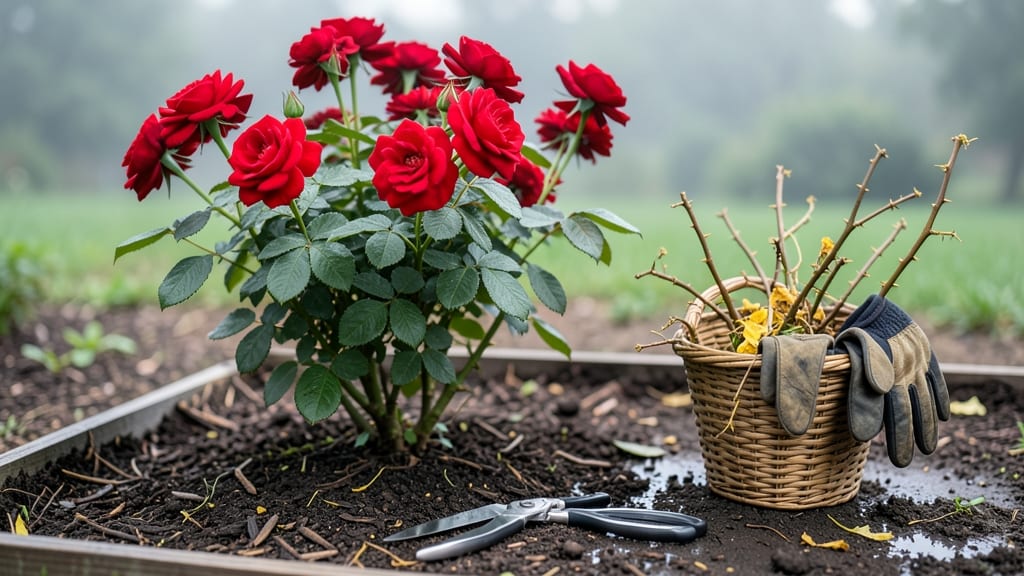
Fall pruning knock out roses transforms next year's blooms from sparse to spectacular. ✂️ I've learned the hard way that waiting until spring means missing the perfect window—when the plant's energy shifts underground, not upward.
The key is timing after the first hard frost but before true dormancy, when the plant's natural defenses are up and diseases retreat.
You'll need sharp bypass pruners, a clean bucket for clippings, and a sunny day to work. The goal is to remove about one-third of the plant's height, cutting just above an outward-facing bud.
This shape isn't about aesthetics—it's about sunlight penetration and air circulation that prevents black spot and mildew. My roses now bloom heavier and earlier than ever.
What you'll get is a plant that wakes up in spring with fresh, strong canes instead of struggling with old wood. The first flush of blooms arrives weeks ahead of schedule, and the plant resists pests better.
Even in colder zones, this method works—just adjust timing slightly for your frost dates.
Common mistakes? Pruning too late (when new growth starts) or cutting at the wrong angle. The right technique makes all the difference—your roses will thank you with nonstop blooms from June until frost. Ready to sharpen those shears?
📚 In This Guide
- What you need
- Instructions
- Tips and common mistakes
- Wrapping up and next steps
What you need
- ● Bypass pruners – Sharp, clean pruners (avoid anvil pruners to prevent crushing stems). Quantity: 1 pair (or 2 if you have a large bush).
- ● Loppers – For thicker branches (½" to 1½" diameter). Quantity: 1 pair.
- ● Disinfectant (70% isopropyl alcohol or bleach solution) – To sterilize tools between cuts and prevent disease spread. Quantity: Small spray bottle or wipe.
- ○ Garden gloves – Heavy-duty, cut-resistant gloves (optional but recommended for thorns!). Quantity: 1 pair.
- ● Rake or broom – To clear fallen leaves and debris after pruning. Quantity: 1.
- ● Pruning saw – For any stubborn, thick stems that pruners can’t handle.
- ● Marking spray or chalk – To label cuts if you’re unsure where to trim.
- ● Compost bin or bag – For collecting pruned branches (Knock Out roses are disease-resistant, so you can compost them!).
- ● Knee pads or stool – For comfort if your roses are tall or the ground is hard.
Step-by-step instructions for pruning Knock Out roses in the fall
Here’s how I transform my Knock Out roses each fall—sharp cuts now mean bigger, healthier blooms next spring.
✂️ Step 1: Time Your Pruning Perfectly
Wait until after your first hard frost but before winter’s worst cold—typically late November to early December in most zones. You’ll know it’s time when the leaves have browned and fallen, but the stems are still firm to the touch. Pruning too early leaves stems vulnerable to winter dieback, while waiting too long risks damaging dormant buds.
I like to work on a dry, sunny day when temperatures are above 40°F. The roses will be easier to handle, and you’ll avoid spreading disease from wet foliage. Grab your pruners and a bucket for trimmings—this step is all about clean cuts and clear vision.
✂️ Step 2: Remove Dead or Diseased Wood
Start by scanning each stem for blackened, mushy, or hollow canes—these are dead or diseased and need to go. Use sharp pruners to cut these stems back to the ground level. You’ll notice healthy wood feels firm and greenish-brown inside when you slice it open; diseased wood will be dark and crumbly.
Don’t skip this step—removing dead wood prevents pests and diseases from overwintering in your roses. I also look for crossing branches rubbing against each other, which can create wounds. Cut one of the branches back to its origin point to improve airflow and reduce future stress on the plant.
✂️ Step 3: Shape the Bush for Next Year’s Growth
Now for the fun part: shaping! Knock Out roses bloom on new wood, so you’re not pruning to encourage flowers directly—you’re setting up strong framework for next year’s growth. Step back and visualize an open vase shape: wide at the base, narrower at the top. This allows sunlight and air to reach the center of the bush.
Cut back the remaining canes to 12–18 inches tall, making your cuts just above an outward-facing bud. Angle the cut slightly downward to prevent water from pooling on the stem. Avoid leaving stubs—always cut just above the bud to encourage clean, strong regrowth. If a cane looks weak or spindly, prune it more aggressively to redirect energy to healthier stems.
✂️ Step 4: Clean Up and Protect the Plant
Rake up all the trimmings and dispose of them in the trash—not your compost pile. Rose debris can harbor fungal spores that will reinfect your plants next season. Once the area is clear, give the base of the bush a final check for lingering leaves or twigs hiding pests.
Apply a 2–3 inch layer of mulch (like shredded bark or straw) around the base of the plant, keeping it 6 inches away from the stem. This insulates the roots from freezing temperatures and retains moisture. Water the base deeply before winter sets in—this helps establish a strong root system for spring’s growth surge.
🌱 Step 5: Plan for Spring’s First Pruning
Mark your calendar for late winter or early spring (just as new growth begins) to do a second light pruning. This removes any winter-damaged canes and encourages fresh, vigorous blooms. For now, though, your Knock Out roses are ready to rest—your sharp cuts today will reward you with fuller, more abundant blooms next summer.
Real talk: Over-pruning is the biggest mistake here. Knock Out roses are forgiving, but cutting too aggressively can stress the plant. If you’re unsure, err on the side of leaving a little more stem—your roses will thank you with stronger growth.
Tips & tricks for perfect fall rose pruning
These simple strategies will help you prune like a pro and set your Knock Out roses up for a spectacular spring.
Timing is Everything: The late November to early December window is non-negotiable for Knock Out roses. I've learned this the hard way—pruning too early leaves stems vulnerable to winter dieback, while waiting too late risks damaging dormant buds. Check your local frost dates and aim for when leaves have browned but stems remain firm. A quick stem test: if it snaps cleanly with a slight bend, it's ready. If it feels mushy, wait a few more days.
Tool Prep Makes All the Difference: Before you start, sharpen your pruners—dull blades tear stems instead of making clean cuts. I like to use a small file or sharpening stone to maintain a crisp edge. Also, disinfect your tools with rubbing alcohol between cuts to prevent spreading disease from any infected canes you might encounter. A clean toolkit means healthier roses next season.
The 45-Degree Cut Secret: When shaping your roses in Step 3, that slight downward angle on your cuts isn't just for looks—it prevents water from pooling on the stem, which can lead to rot. Make your cuts just above an outward-facing bud, and you'll encourage new growth in the right direction. I find it helpful to visualize a smiley face on the stem: the bud is the mouth, and you're cutting just above it. This simple technique can double your bloom production next year.
Mulch Like a Pro: That 2-3 inch layer of mulch isn't just decoration—it's insulation for your rose's roots. I use shredded bark because it breaks down slowly, providing long-term protection. Keep it 6 inches away from the stem to prevent moisture buildup that can cause rot. For extra winter protection in colder climates, consider adding a layer of straw on top of the mulch. This creates an insulating blanket that can make all the difference in harsh winters.
Pro Tips for Pruning Knock Out Roses In The Fall
- These simple strategies will help you prune like a pro and set your Knock Out roses up for a spectacular spring.
- Timing is Everything: The late November to early December window is non-negotiable for Knock Out roses.
- Tool Prep Makes All the Difference: Before you start, sharpen your pruners—dull blades tear stems instead of making clean cuts.
Frequently asked questions
Got questions about pruning your Knock Out Roses in the fall? You’re not alone! Here are some of the most common concerns—plus clear, actionable answers to keep your roses thriving.
When is the exact best time to prune Knock Out Roses in the fall?
Prune after the first hard frost (when temps drop below 25°F) but before winter’s worst chill sets in—typically late November to early December in most zones. This timing balances disease prevention and winter hardiness. Avoid pruning too early (fall diseases lurk) or too late (frozen canes are tough to cut!).
Do I need to prune Knock Out Roses at all in the fall?
Yes! While they’re tough, fall pruning reduces disease risk by removing dead/diseased canes and improves airflow. It also shapes the plant for next year’s growth. Skip it, and you might end up with a mess of tangled stems and fungal issues. Think of it as a winter prep power move!
How much should I cut back—like, how short is too short?
Knock Out Roses are forgiving, but aim to cut back by ⅓ to ⅕ of the plant’s height. Leave 3–4 healthy buds per stem (about ¼” above a bud). Never cut into old wood (gray/brittle canes)—focus on green or brown stems with live buds. Pro tip: Never top prune (cutting straight across the top)—it weakens the plant.
What if my roses already have black spots or fungal issues? Should I still prune?
Prune first, then sterilize.
Remove all infected canes (burn or bag them—don’t compost!). After pruning, spray the cuts with a 10% bleach solution (1 part bleach to 9 parts water) or fungicide to prevent spread. Fall is the perfect time to tackle fungal problems before they overwinter.
Can I prune Knock Out Roses in late winter instead?
You can, but you’ll miss the disease-prevention window of fall. Late winter pruning (Feb–March) works in mild climates, but in colder zones, it risks exposing fresh cuts to late frosts or pests. If you skip fall pruning, do a light cleanup in late winter—just remove dead wood and shape lightly. But fall pruning is the gold standard for Knock Outs!
Wrapping up and next steps
Pruning your Knock Out roses in the fall is your secret weapon for a showstopping spring and summer! By removing dead or weak growth and shaping the plant, you’re not just tidying up—you’re setting the stage for healthier blooms and stronger stems next season.
With the right tools, timing, and technique, this task becomes simple and rewarding. 🌸
Now that you’re armed with the know-how, roll up your sleeves and get pruning! Grab your gloves and shears, and give your roses the care they deserve. Before winter sets in, take that first confident cut—your future blooms will thank you!