
Pruning
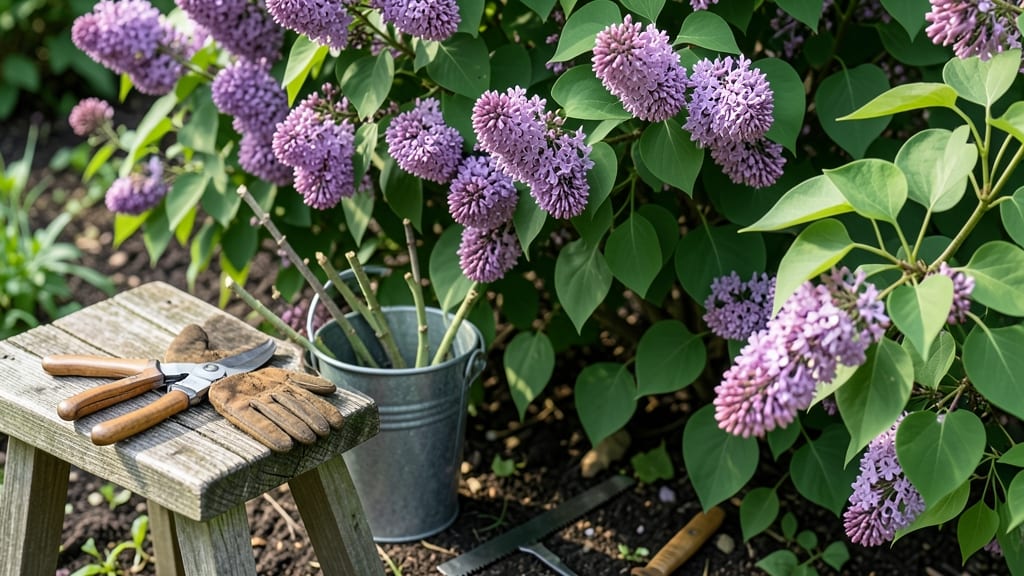
Pruning lilacs tips aren’t just about trimming—it’s about unlocking next year’s showstopping blooms while keeping your shrubs healthy. ✂️ I’ve learned the hard way that timing and technique make all the difference, especially when your lilacs start looking tired after years of growth. The right cuts encourage fresh, vibrant flowers and prevent those leggy, overgrown stems that ruin the shape.
Most gardeners prune lilacs in late spring or early summer, right after they finish blooming—but that’s not the only time to act. If your shrub is overgrown or hasn’t bloomed well in years, a rejuvenation prune in late summer or early fall can reset its energy.
The key is cutting back 1/3 of the oldest stems to the ground, which might sound drastic, but it works wonders for revitalizing struggling bushes.
You’ll see the difference in just one season: thicker growth, more flowers, and a shape that actually looks intentional. The process takes 30-60 minutes depending on the size, and the tools you need—a sharp pair of pruners, gloves, and maybe a small saw for thicker branches—are simple to find.
No fancy equipment required, just the right technique.
Here’s the thing—if you’ve ever hesitated to prune lilacs because you were afraid of killing them, this method is foolproof once you get the hang of it. The worst that happens is you wait another year for the full bloom effect, but the payoff is worth it.
Let’s get those stems looking sharp and your lilacs back to their best.
📚 In This Guide
- What you need
- Instructions
- Tips and common mistakes
- Wrapping up and next steps
What you need
- ● Pruning shears: Sharp, bypass-style shears (for clean cuts on smaller branches). Quantity: 1 pair.
- ● Loppers: Heavy-duty, long-handled loppers (for thicker branches, ½–1 inch in diameter). Quantity: 1 pair.
- ● Pruning saw: Curved-tooth saw (for branches over 1–2 inches thick). Quantity: 1.
- ● Gloves: Heavy-duty, cut-resistant gloves (to protect hands from thorns and rough branches). Quantity: 1 pair.
- ● Disinfectant: 70% isopropyl alcohol or a 10% bleach solution (to sterilize tools between cuts and prevent disease). Quantity: Small spray bottle or wipe.
- ○ Pruning sealant (optional): Tree wound sealant (for large cuts, though many experts argue it’s unnecessary for lilacs). Quantity: Small tube.
- ● Trash bags or bucket: For collecting pruned branches. Quantity: 1–2 (depending on shrub size).
- ○ Ladder (optional): Sturdy step ladder (for tall lilacs over 6 feet). Height: At least 8–10 feet.
- ● Weather check: Prune on a dry, calm day (avoid rainy or windy conditions).
- ● Timing: Best done immediately after flowering (late spring to early summer) or in early fall.
- ○ Safety gear (optional but recommended): Safety glasses (to protect from debris).
- ● Long sleeves/pants (to shield from thorns and scratches).
- ● Know your lilac: Identify the shrub’s age and growth habits (young lilacs need lighter pruning than mature ones!).
How to prune lilacs for healthy growth and abundant blooms
Here's the straightforward method I've used to keep my lilacs flowering like crazy for over a decade.
✂️ Step 1: Time Your Pruning Perfectly After the Bloom
Wait until 4-6 weeks after flowering—this is critical. Lilacs bloom on old wood, so cutting too early removes next year's flower buds. You'll know it's time when the leaves have fully developed and new growth appears at the base of the stems.
If you prune right after blooms fade, you'll sacrifice next season's flowers. I mark my calendar right after the lilacs finish blooming and set a reminder for six weeks later. This timing ensures your shrub stores energy for new flower buds while still maintaining shape.
✂️ Step 2: Remove Dead, Weak, or Crossing Branches First
Start by cutting out any branches that are dead, diseased, or crossing—these compete with healthy growth. Use sharp pruning shears to make clean cuts at a 45-degree angle just above an outward-facing bud. This prevents water from pooling on the cut.
I always work from the inside out, removing branches that grow toward the center of the shrub first. This opens up the center for better airflow and sunlight penetration. You'll see a noticeable difference in the shrub's density and health after this step alone.
✂️ Step 3: Thin Out Overcrowded Areas for Better Airflow
Selectively remove about 1/3 of the oldest stems at ground level. These are usually the thickest, woody branches. Cut them back completely to encourage younger, more vigorous growth from the base. This rejuvenation pruning keeps your lilac shrub looking fresh and prevents it from becoming too dense.
Look for clusters of branches growing too close together. Thin these out by removing every other stem, starting with the weakest. You'll notice how much more light reaches the center of the shrub—this prevents fungal diseases that thrive in shady, damp conditions.
✂️ Step 4: Shape the Shrub for Balanced Growth
Now's the time to give your lilac its final shape. Step back and look at the overall form—cut back any branches that spoil the natural shape or grow in awkward directions. Aim to create an open, vase-like shape that allows sunlight to penetrate to the center.
I always make my cuts just above a bud that faces outward. This encourages new growth to fill in any gaps while maintaining the shrub's natural form. Avoid cutting back more than 1/3 of the plant's total height in one season—this prevents shock and promotes healthy regrowth.
💧 Step 5: Clean Up and Fertilize for Recovery
After pruning, remove all clippings from the area to prevent disease spread. Sterilize your pruning tools with rubbing alcohol between cuts to avoid transferring pathogens. Water the base of the shrub deeply to help it recover from the pruning stress.
Apply a balanced, slow-release fertilizer around the root zone to provide nutrients for new growth. I use a 10-10-10 formula in early spring, just as new shoots begin to emerge. This gives your lilac the energy it needs to produce strong stems and abundant blooms next season.
Tips & tricks for perfect lilac pruning
Took me years to figure out these game-changing strategies for keeping lilacs thriving—here's how to avoid common mistakes and get professional results.
Timing Secret: The 4-6 week window after flowering is non-negotiable for lilacs. I've ruined two seasons by pruning too early—wait until you see fresh leaves at the base of stems and new growth starting. This ensures next year's flower buds stay intact. Mark your calendar right after blooms fade and set that 6-week reminder!
Cutting Technique: Always make your cuts at a 45-degree angle just above an outward-facing bud. This little detail makes all the difference in how your shrub regrows. I use a small pencil to mark the bud location before cutting—it helps maintain that perfect angle every time. And never cut flush with the branch; leave that little collar to protect the stem.
Rejuvenation Strategy: When thinning out those oldest stems in Step 3, focus on the thickest, most woody branches growing from the base. These are the ones that drain energy from your plant. I cut them back completely to the ground—this might seem drastic, but it forces fresh, vigorous growth from the center. Your lilac will thank you next spring with bigger blooms!
Equipment Upgrade: Invest in a good pair of bypass pruners—they make clean cuts that heal faster than the old anvil-style shears. I also keep rubbing alcohol and a small spray bottle of water handy for sterilizing between cuts. This prevents spreading diseases between branches. And for thick branches, a small handsaw comes in handy—just sterilize it thoroughly after each use.
Pro Tips for Pruning Lilacs Tips
- Took me years to figure out these game-changing strategies for keeping lilacs thriving—here's how to avoid common mistakes and get professional results.
- Timing Secret: The 4-6 week window after flowering is non-negotiable for lilacs.
- Cutting Technique: Always make your cuts at a 45-degree angle just above an outward-facing bud.
Frequently asked questions
Got questions about pruning lilacs? You’re not alone—this task can feel tricky, especially for beginners! Below, we’ve answered the most common questions to help you prune with confidence and keep your lilacs thriving.
When is the best time to prune lilacs?
The ideal time to prune lilacs is right after they finish blooming in late spring or early summer. This timing ensures you don’t cut off next year’s flower buds, which form on old wood. Avoid pruning in fall or winter, as lilacs are dormant and more vulnerable to disease.
What happens if I prune lilacs at the wrong time?
Pruning lilacs too early (before blooming) or too late (after mid-summer) can reduce—or even eliminate—next year’s flowers. Overly aggressive cuts in fall or winter may also stress the shrub, making it susceptible to fungal issues or winter dieback. Patience is key!
How much can I cut back my lilacs?
For most lilacs, you can safely remove up to one-third of the oldest stems at the base. This encourages younger, more vigorous growth. Avoid "heading back" (cutting back into old wood) unless you’re rejuvenating a severely overgrown shrub—this can delay or prevent flowering.
Can I prune lilacs to encourage more flowers?
Yes! To boost flowering, focus on removing only the oldest, least productive stems (usually the thickest ones). Avoid heavy pruning, as lilacs flower on last year’s growth. Thinning out crowded branches also improves air circulation, reducing disease risk and promoting healthier blooms.
How do I prevent disease after pruning?
Always sterilize your pruners with rubbing alcohol or a 10% bleach solution before and after pruning to avoid spreading bacteria or fungi. Remove any diseased or dead branches immediately, and avoid pruning during wet weather. Cleanup is just as important as the cut!
What if my lilacs aren’t blooming after pruning?
If your lilacs skip blooming, check if you pruned too late or too aggressively. Lilacs need time to recover—give them a season to bounce back. Also, ensure they’re getting full sun (6+ hours/day) and well-draining soil. If the issue persists, consider fertilizing lightly in early spring.
Wrapping up and next steps
Pruning your lilacs doesn’t have to be intimidating—it’s all about timing, technique, and a little patience. 🌿 With the right tools, a clear plan, and a watchful eye for new growth, you’ll keep your shrubs thriving for years.
Remember, consistency is key, and soon, your lilacs will reward you with lush blooms and vibrant foliage.
Ready to take the next step? Mark your calendar for late winter or early spring, grab your pruners, and give your lilacs the fresh start they deserve! 🌸