
Pruning
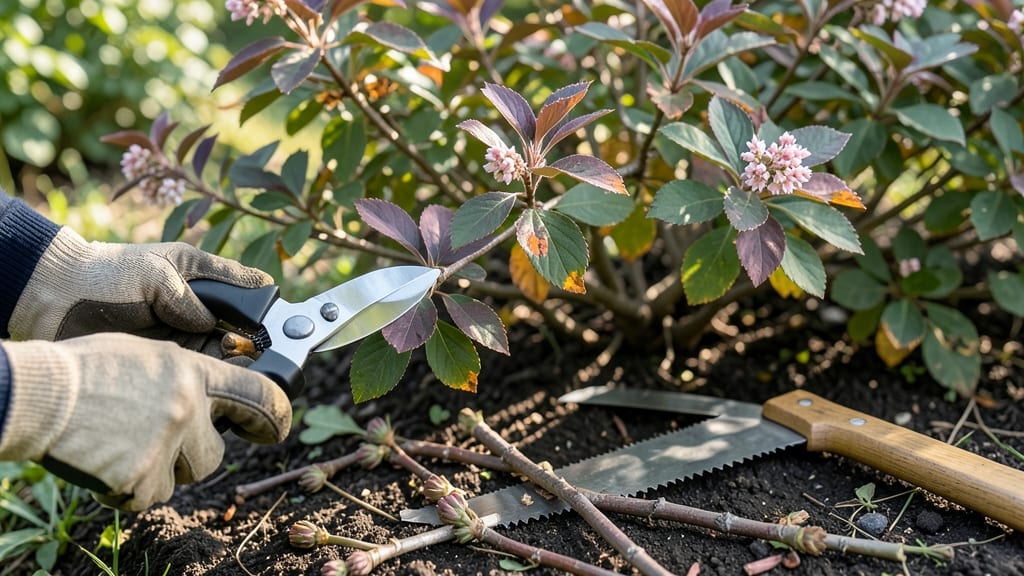
Spring is when ninebark wakes up from winter—pruning it now sets the stage for lush, bushy growth all season long. ✂️ I’ve pruned mine for five years, and the difference between a ragged shrub and one that looks like a professional landscaper did it comes down to three simple cuts.
The key? Timing matters more than you think—too early and you risk frost damage; too late and you stunt new growth.
You’ll need just three tools: sharp bypass pruners for clean cuts, loppers for thicker stems, and a pair of gloves (ninebark thorns are no joke). The goal is to remove one-third of last year’s growth—focus on dead, crossing, or weak branches first.
What’s left will reward you with brighter foliage and more flowers by summer, because ninebark blooms on old wood but thrives when you encourage new stems.
After you’re done, step back and admire the shape—bushier, fuller, and ready for action. The secret is to prune in early spring (right after buds swell but before leaves emerge) and avoid heavy cuts later in the season.
I’ve seen gardeners turn their ninebark from a sad, leggy mess into a showstopper in just one season with this method.
Works for all ninebark varieties—whether you’ve got the compact ‘Little Devil’ or the towering ‘Diablo’. The same rules apply, so you’ll get consistent results no matter your space. Now grab those tools—your shrub’s transformation starts today.
📚 In This Guide
- What you need
- Instructions
- Tips and common mistakes
- Wrapping up and next steps
What you need
- ● Pruning shears: Bypass pruners (for clean cuts on smaller stems, 5–6 inches long, sharp and comfortable grip). Quantity: 1 pair.
- ● Loppers: Bypass or anvil type (for thicker branches, 8–12 inches long, with a long handle for leverage). Quantity: 1 pair.
- ● Pruning saw: Curved-tooth or folding saw (for stubborn, woody stems over 1.5 inches thick). Quantity: 1.
- ● Gloves: Heavy-duty gardening gloves (cut-resistant, long cuffs for protection). Quantity: 1 pair.
- ● Disinfectant: Rubbing alcohol (70%+) or bleach solution (1 part bleach to 9 parts water). Quantity: Small bottle or spray bottle.
- ● Trash bags: Heavy-duty contractor bags (for disposing of pruned branches). Quantity: 2–3.
- ○ Pruning sealant (optional): Pruning wax or tree paint (for sealing large cuts, if desired). Quantity: Small tub.
- ● Safety glasses: ANSI-rated (to protect eyes from debris). Quantity: 1 pair.
- ● Long sleeves/pants: Lightweight, breathable fabric (to avoid scratches or thorns).
- ● Step stool or ladder: Sturdy, non-slip (if ninebark is over 6 feet tall).
- ● Sharpie or marker: Permanent (for labeling cuts if rejuvenating in stages). Quantity: 1.
Step-by-step instructions for pruning ninebark in spring
Here's the straightforward approach I use to refresh ninebark shrubs every spring.
✂️ Step 1: Remove Dead or Weak Branches First
Start by scanning your ninebark for branches that died over winter—they'll appear brown, brittle, or hollow when you tap them. Use sharp pruning shears to cut these back to the main stem or ground level. I always remove at least 10-20% of the oldest stems this way to encourage new growth.
Make cuts at a 45-degree angle just above an outward-facing bud. This prevents water from pooling on the wound and promotes faster healing. If you see any suckers growing at the base, snip those off too—they drain energy from your main plant.
✂️ Step 2: Thin Out Crowded Interior Branches
Next, focus on the shrub's interior where light struggles to reach. Remove branches that cross or rub against each other, cutting them back to their point of origin. You'll know you're doing it right when you can see light filtering through the center of the plant.
For ninebark, I aim to remove about 20-30% of the total branches during this step. This prevents overcrowding and keeps your plant's energy focused on producing those vibrant new stems. Watch for any branches growing straight up—these often produce fewer leaves and can be thinned out too.
✂️ Step 3: Shape the Outer Growth for Balance
Now for the finishing touches—step back and assess the overall shape. Ninebark responds well to light shaping, so I typically trim back the longest stems by about one-third to encourage bushier growth. Use your shears to make clean cuts just above a leaf node or bud.
For a more natural look, I avoid cutting back to bare wood—just enough to maintain the plant's natural form. This is where you'll see the most immediate results: fuller foliage and those signature peeling bark stems becoming more prominent as the season progresses.
🌿 Step 4: Clean Up and Monitor New Growth
After pruning, rake up all the debris from your work area. This prevents fungal diseases from taking hold in wet clippings left on the ground. I always sterilize my shears with rubbing alcohol between cuts to prevent spreading any potential infections.
Now comes the fun part—watch for new growth. Within 2-4 weeks, you should see fresh green shoots emerging from the pruned areas. This is your plant's way of saying "thank you" for the refresh. Water deeply after pruning to help the plant recover, but don't overdo it—ninebark is quite drought-tolerant once established.
Tips & tricks for pruning ninebark in spring
Took me years to perfect these tricks—here's how I make pruning ninebark stress-free and effective every spring.
Timing Secret: Prune ninebark right after the last frost but before new growth begins—typically late March to early April. This timing gives your plant the full growing season to recover. I've learned the hard way that pruning too early can expose tender new shoots to late frosts, while waiting too long means you're cutting back growth that could've been left alone.
Tool Technique: Use sharp, clean pruning shears for every cut—dull blades crush stems instead of making clean cuts. I sterilize my shears between cuts with rubbing alcohol to prevent spreading diseases between branches. For thicker stems, I use loppers with a bypass blade, which gives me more leverage and cleaner cuts than anvil-style pruners.
Visual Cues: When shaping in Step 3, imagine your ninebark as a clock face. I usually trim the longest stems on the outer edges first, then work my way inward. Look for branches that grow straight up—they often produce fewer leaves and can be thinned to encourage bushier growth. The goal is to create an open center that lets light and air circulate freely.
Recovery Strategy: After pruning, give your ninebark a deep watering to help it recover. I've found that mulching around the base with 2-3 inches of organic mulch helps retain moisture and regulates soil temperature. This is especially important if you've done heavy pruning—your plant will need extra care to bounce back strong.
Pro Tips for Pruning Ninebark In Spring
- Took me years to perfect these tricks—here's how I make pruning ninebark stress-free and effective every spring.
- Timing Secret: Prune ninebark right after the last frost but before new growth begins—typically late March to early A...
- Tool Technique: Use sharp, clean pruning shears for every cut—dull blades crush stems instead of making clean cuts. I...
Frequently asked questions
Got questions about pruning your ninebark in spring? You’re not alone! Here are answers to the most common concerns—plus pro tips to keep your shrub thriving.
When exactly is the best time to prune ninebark in spring?
Prune after the last frost but before new growth bursts in late April or May. This timing balances flower production (which relies on old wood) and rejuvenation. Avoid pruning too early—cold snaps can stress fresh cuts.
Can I prune ninebark too hard? What if I cut back too much?
Ninebark is resilient but not indestructible. Over-pruning (cutting >1/3 of the plant) risks stunted growth or leggy stems. For rejuvenation, limit cuts to one-third of the oldest stems. If you’ve already trimmed too much, focus on light maintenance pruning next year.
Will pruning ninebark in spring reduce its flowers?
Yes, but not permanently! Ninebark flowers on old wood, so aggressive pruning may cut back blooms that season. To minimize impact, prune selectively: remove only one-third of the oldest stems (3–5 years old) and leave younger stems intact for future flowers.
What if I missed spring pruning? Can I prune ninebark in summer or fall?
Summer or fall pruning is possible, but it’s not ideal. If you skip spring, do a light shaping trim in late summer (after flowering) to tidy up. Avoid heavy cuts in fall—new growth won’t harden off before winter, risking frost damage.
My ninebark has dead or diseased branches. How do I prune those out?
First, sterilize your tools with rubbing alcohol to prevent spreading disease. Cut dead/diseased branches back to healthy wood (look for green tissue). Dispose of infected debris in the trash not the compost. If powdery mildew or canker appear, prune in dry weather and improve airflow.
Wrapping up and next steps
Pruning your ninebark in spring is a simple yet powerful way to boost its health, shape its growth, and keep it looking vibrant for years to come. By following the three strategic trims—light shaping, rejuvenation cuts, and deadwood removal—you’ll encourage lush foliage and prevent overcrowding.
Now that you’re armed with the know-how, grab those pruners and get ready to transform your ninebark into a thriving star of your landscape!
🌱 Next step: Mark your calendar for early spring (just as buds begin to swell) and take action—your ninebark will thank you with bold, bushy growth all season long!