
Pruning
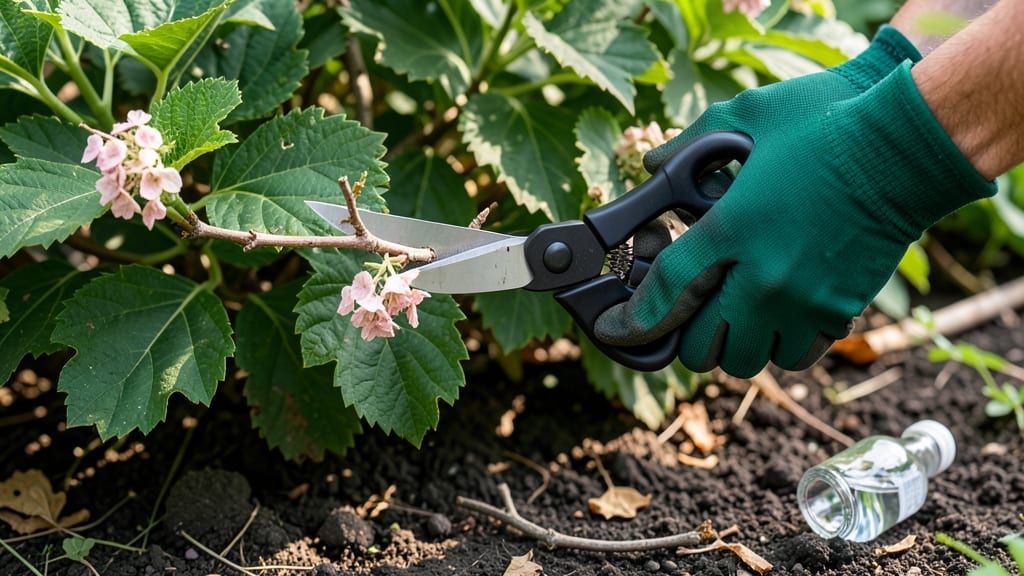
Pruning oak-leaved hydrangeas isn't about cutting back—it's about sculpting their natural shape while encouraging longer, fuller blooms and sturdier stems. 🌿 Unlike other hydrangeas, these beauties bloom on both old and new wood, so timing matters more than you'd think.
I’ve pruned mine for years, and the difference between a well-timed cut and a rushed one is night and day—think lush, arching branches versus leggy, sparse growth.
The best time to prune is late winter or early spring, before new growth starts. Grab sharp pruners, a pair of gloves, and a bucket for trimmings.
You’ll focus on three things: removing dead or crossing branches, thinning out crowded stems to improve airflow, and shaping the plant to highlight its oak-like leaves. The goal? A bush that looks intentional, not hacked.
Start by cutting back any dead or diseased wood to the base. Then, look for branches growing inward or rubbing against others—these go next. For shaping, trim just above a bud or leaf node, angling the cut slightly downward to keep water from pooling.
You’ll end up with a plant that’s healthier, more compact, and bursting with blooms by summer.
Here’s the kicker: oak-leaved hydrangeas reward patience. Avoid heavy pruning in fall, and never cut into old wood unless it’s truly dead. A little precision now means fewer surprises later—like unexpected bare spots or weak stems.
Trust the process, and your hydrangea will thank you with vibrant blooms and sturdy branches for years.
📚 In This Guide
- What you need
- Instructions
- Tips and common mistakes
- Wrapping up and next steps
What you need
- ● Bypass pruners – Sharp, clean bypass pruners (not anvil pruners) for precise cuts on stems up to ½-inch thick. Example: Felco F-2 or Corona C-700.
- ● Loppers – For thicker stems (½-inch to 1-inch in diameter). Look for long-handled loppers for better leverage.
- ○ Hand saw – A pruning saw with a fine-tooth blade for stubborn, woody stems (optional but helpful for mature plants).
- ● Disinfectant (70% isopropyl alcohol or bleach solution) – 1 part bleach to 9 parts water to sterilize tools between cuts and prevent disease.
- ● Garden gloves – Heavy-duty, cut-resistant gloves to protect your hands from thorns and rough stems.
- ● Rubbing alcohol or hand sanitizer – For cleaning hands before and after pruning.
- ● Trash bag or compost bin – To dispose of or compost pruned branches.
- ○ Pruning sealant – Optional for sealing larger cuts (over ½-inch) to prevent disease, but not always necessary for oak-leaved hydrangeas.
- ● Marking twine or flags – To label branches you plan to remove (helpful for complex pruning).
- ● Knee pads or stool – For comfort if your hydrangea is tall or the ground is uneven.
- ● Spray bottle with water – To mist tools and cuts for cleaner, smoother cuts.
Step-by-Step guide to pruning oak-leaved hydrangeas
Oak-leaved hydrangeas reward careful pruning with dramatic blooms and vigorous growth—here’s how to do it right.
✂️ Step 1: Time Your Pruning for Maximum Impact
Prune oak-leaved hydrangeas (Hydrangea quercifolia) in late winter or early spring—just as new growth begins but before buds swell. This timing ensures you remove dead wood while preserving next season’s flower buds, which form on old wood but also produce new growth from current season’s stems. Avoid pruning in fall, as it leaves stems vulnerable to winter dieback.
Look for dormant stems with no leaf buds—these are dead or damaged and can be cut back to healthy growth. Keep your pruners sharp; dull blades tear stems, inviting disease. I always prune on a dry, calm day to minimize stress on the plant and reduce the risk of fungal spores spreading.
✂️ Step 2: Remove Dead, Diseased, or Weak Wood First
Start by eliminating any stems that are brown, mushy, or hollow—these won’t recover. Cut them back to the main trunk or a healthy lateral branch, making the cut at a 45-degree angle about ¼ inch above a outward-facing bud. This angled cut prevents water from pooling on the wound, which can rot the stem.
Next, thin out crossing or rubbing branches—these compete for energy and often create entry points for pests. Remove up to one-third of the oldest stems to encourage new growth. Oak-leaved hydrangeas bloom on both old and new wood, so avoid heavy pruning that removes too many mature stems.
✂️ Step 3: Shape for Airflow and Light Penetration
Step back and assess the plant’s structure. Oak-leaved hydrangeas naturally grow in a rounded, multi-stemmed form, so aim to maintain that shape. Prune to open the center—this improves airflow and reduces humidity, which prevents fungal diseases like powdery mildew.
Focus on lateral branches—cut back overcrowded stems by one-third to create space. For stems that flowered the previous year, prune lightly, removing only dead or weak growth. Newer stems can be cut back more aggressively to encourage bushier growth. Watch for suckers (shoots growing from the base)—remove these immediately to redirect energy to established stems.
✂️ Step 4: Clean Up and Protect the Plant
After pruning, sterilize your tools with rubbing alcohol to prevent cross-contamination between plants. Collect and dispose of pruned material—don’t compost diseased stems, as pathogens can survive and reinfect your garden.
Apply a 2-3 inch layer of mulch around the base (but not touching the trunk) to retain moisture and suppress weeds. Water deeply to help the plant recover. In the weeks following pruning, monitor for new growth—healthy stems will emerge within 2-4 weeks, signaling successful pruning.
✂️ Step 5: Maintain Year-Round for Long-Term Health
Throughout the growing season, remove spent blooms (deadheading) to encourage more flowers. However, leave some seed heads for winter interest and to attract birds. In late summer, prune any leggy or overgrown stems to maintain shape and prevent flopping.
Oak-leaved hydrangeas thrive with morning sun and afternoon shade, but pruned stems need bright light to develop strong buds. If your plant isn’t blooming well, check for overly shaded conditions—this is often the culprit. Fertilize lightly in early spring with a balanced, slow-release fertilizer to support new growth.
Tips & tricks for pruning oak-leaved hydrangeas
These sharp insights will help you transform your pruning from guesswork to garden artistry.
Timing is Everything: Late winter or early spring is your ideal window—just as new growth starts but before buds swell. I've seen gardeners prune too early in winter and risk damaging emerging buds, or too late in spring and miss the optimal growth cycle. The key is to catch that moment when you see tiny leaf buds forming but haven't yet broken dormancy. This precise timing ensures you're removing dead wood while preserving next season's blooms that form on old wood.
Tool Precision Matters: Your pruners should be sharper than your gardening ambitions. Dull blades tear stems instead of making clean cuts, which creates larger wounds that invite disease. I've ruined perfectly good stems by using dull shears—always test your tools by making a clean cut through a piece of paper before you start. For larger stems, consider using loppers with bypass blades that make cleaner cuts. The 45-degree angle mentioned in Step 2 isn't just aesthetic—it prevents water from pooling on the wound, which can lead to rot.
Shape with Purpose: When opening the center of your hydrangea in Step 3, think of it like creating a stage for your plant's performance. The goal is to improve airflow while maintaining that natural rounded form. I've learned that removing too many stems at once can shock the plant—stick to the one-third rule for older stems. For newer growth, you can be more aggressive, but always leave enough structure to support the plant's weight. The suckers at the base are particularly sneaky—they steal energy from your established stems, so remove them as soon as you spot them.
Post-Pruning Care: That 2-3 inch layer of mulch isn't just decorative—it's a protective blanket for your plant. Apply it immediately after pruning to lock in moisture and prevent weeds from competing. I've noticed that plants mulched properly after pruning show new growth within 2-4 weeks, while those without mulch take significantly longer. The deep watering after pruning helps the plant recover by replenishing the moisture lost during the stress of cutting. Don't forget to sterilize your tools between cuts to prevent spreading any potential diseases you might have encountered on earlier stems.
Pro Tips for Pruning Oak Leaved Hydrangea
- These sharp insights will help you transform your pruning from guesswork to garden artistry.
- Timing is Everything: Late winter or early spring is your ideal window—just as new growth starts but before buds swel...
- Tool Precision Matters: Your pruners should be sharper than your gardening ambitions. Dull blades tear stems instead ...
Frequently asked questions
Got questions about pruning your oak-leaved hydrangea? You’re not alone! Here are answers to the most common concerns—so you can tackle pruning like a pro.
When is the best time to prune oak-leaved hydrangeas?
Prune Hydrangea quercifolia right after blooming (late spring to early summer) to shape the plant and encourage new growth. Avoid pruning in fall or winter, as these hydrangeas bloom on old wood—cutting too late risks removing next year’s flowers. A light trim in late winter (if needed) is fine, but keep it minimal.
How much should I cut back my oak-leaved hydrangea?
For healthy stems, remove up to 1/3 of the plant’s height by cutting just above a leaf node or outward-facing bud. Focus on dead, crossing, or weak branches first. Never shear randomly—oak-leaved hydrangeas thrive with structured cuts to maintain their natural shape and airflow.
What if I prune at the wrong time and lose all my flowers?
Don’t panic! Oak-leaved hydrangeas are resilient. If you prune too late (fall/winter), they’ll still produce new blooms on current-year growth—just expect smaller clusters. Next year, time your prune post-bloom to restore full, vibrant flowers. Mulch well afterward to support recovery.
Can I use the same pruning techniques for other hydrangeas?
Not quite! Oak-leaved hydrangeas bloom on old wood, unlike mophead or panicle types (which bloom on new wood). For those, prune in late winter/early spring. Always check your variety—mis-timed cuts can mean fewer blooms. When in doubt, research your hydrangea’s specific needs!
My hydrangeas look sad after pruning—what’s wrong?
Over-pruning or cutting into old wood (brown, woody stems) can stress the plant. If leaves yellow or stems wilt, you may’ve pruned too aggressively. Water deeply, avoid fertilizing for 4–6 weeks, and monitor for pests. With proper care, new growth should bounce back in 4–6 weeks.
Wrapping up and next steps
Pruning your oak-leaved hydrangea doesn’t have to be intimidating—just a few sharp cuts at the right time can transform your shrub into a lush, blooming beauty! 🌿 By following the steps above, you’ll encourage healthier stems, vibrant flowers, and a well-shaped plant that thrives year after year.
Now that you’re armed with the know-how, grab those pruners and give your hydrangea the care it deserves.
Ready to take the next step? Mark your calendar for late winter or early spring—your future blooms will thank you!