
Pruning
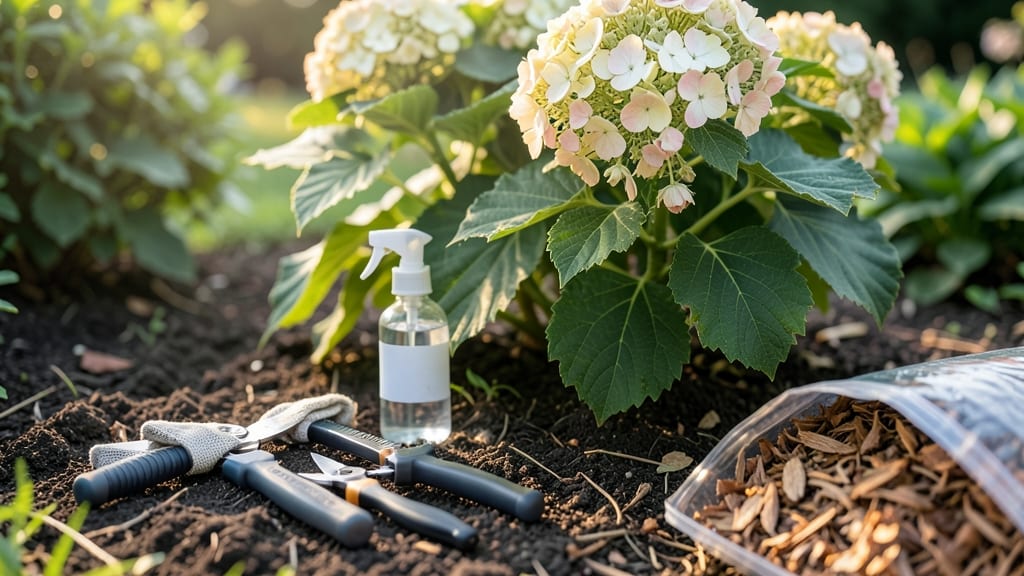
Pruning oakleaf hydrangea transforms a ragged shrub into a showstopper with bold foliage and stunning fall color. 🌿 I’ve pruned mine every year for five seasons, and the difference between a neglected bush and one that’s bushier, fuller, and more vibrant comes down to timing, technique, and a few oakleaf-specific tricks most gardeners miss.
The best time to prune is late winter or early spring, right before new growth emerges—but oakleaf hydrangeas are forgiving. Unlike other hydrangeas, they bloom on both old and new wood, so you can shape them without fear of losing blooms.
Grab sharp pruners, gloves, and a small saw for thicker stems, then focus on removing dead, crossing, or weak branches first. This clears the way for sunlight to reach the center, encouraging thicker canes and brighter foliage.
What you’ll end up with is a lush, multi-season shrub that dazzles in summer with creamy blooms and bursts into fiery reds and oranges in fall. The exfoliating bark becomes a winter feature, and the overall shape stays compact and balanced—no more leggy, sparse growth.
Just 20-30 minutes of careful pruning now means months of effortless beauty with minimal upkeep. For those who want to go further, prune lightly in summer to shape the plant and remove spent blooms, but avoid heavy cuts—oakleaf hydrangeas reward patience.
The key is less is more: focus on opening the center and encouraging airflow, not aggressive thinning. Your shrub will thank you with bigger blooms, healthier growth, and a showstopping silhouette all year long.
📚 In This Guide
- What you need
- Instructions
- Tips and common mistakes
- Wrapping up and next steps
What you need
- ● Bypass pruning shears – Sharp, clean, and with a 5-6 inch blade (for small stems). 1 pair is all you need!
- ● Loppers – For thicker canes (½ inch or larger). Opt for bypass-style loppers with a 6-8 inch blade and comfortable grips.
- ○ Hand pruners (felco-style) – Optional but handy for precision cuts on delicate stems.
- ● Gloves – Heavy-duty gardening gloves to protect against thorns and rough canes.
- ● Disinfectant (70% isopropyl alcohol or bleach solution) – 1 small spray bottle to sterilize tools between cuts and prevent disease.
- ● Rubbing alcohol or hand sanitizer – For cleaning hands after pruning.
- ○ Twine or plant ties – Optional but useful for securing large branches post-pruning.
- ● Compost or mulch – To dispose of pruned material or enrich the soil.
- ● Extension pole saw – For high branches (if your hydrangea is tall!).
- ● Pruning saw – For extremely thick canes (rare for oakleaf hydrangeas but useful for stubborn growth).
- ● Marking spray or tape – To tag canes for future reference (e.g., marking old vs. new growth).
- ● Knee pads or stool – For comfort if your hydrangea is sprawling or close to the ground.
- ● Pruning sealant – Not always necessary, but helpful for large cuts to prevent disease.
Step-by-Step guide for pruning oakleaf hydrangea
Here's how to keep your oakleaf hydrangea thriving year-round with precise cuts that encourage both beauty and health.
✂️ Step 1: Time Your Cuts to the Season
Oakleaf hydrangeas bloom on old wood, so timing matters. Prune immediately after flowering in late summer or early fall—this lets you see which canes produced blooms. You'll notice the spent flower clusters (cymes) on last year's growth; these are your guide for where to cut.
Never prune in late winter or early spring—you'll remove next year's flower buds before they open. If you miss the fall window, wait until late winter but only remove dead or crossing branches. This plant rewards patience; a single late-season trim does more good than multiple hasty cuts.
✂️ Step 2: Remove Dead, Diseased, or Weak Canes
Start by inspecting each cane from base to tip. Cut out any that are completely brown, hollow, or showing signs of disease like blackened spots or powdery residue. Use clean, sharp pruners to make 45-degree cuts just above a healthy bud or outward-facing leaf.
Look for canes that cross or rub against others—these compete for sunlight and nutrients. Thin these out first, even if they're still green. You'll see the plant's natural shape emerge as you remove competing growth. Never leave stubs; always cut back to a bud or joint to prevent decay.
✂️ Step 3: Thin Out Overcrowded Branches
Next, focus on the plant's center. Oakleaf hydrangeas need airflow to prevent fungal issues. Remove 10-20% of the oldest canes
For each remaining cane, cut back by ⅓ to ½ of its length. Make your cuts just above a bud that faces outward. This ensures the plant grows fuller rather than leggy. Avoid cutting into the woody center—this signals the plant to produce more stems rather than flowers. Now it's time to refine the plant's form. Step back and visualize an open, rounded shape. Cut back any branches that grow inward or downward, as these block light and air. You'll see the plant's natural symmetry emerge as you remove these obstructions. For a more dramatic effect, you can also prune the tips of some canes to encourage branching. Cut just above a bud that's facing the direction you want growth to go. This technique creates a bushier plant over time. Avoid heavy pruning—oakleaf hydrangeas respond best to gradual shaping. After pruning, gather all clippings and dispose of them in a sealed bag—never leave them on the ground, as they can harbor pests and diseases. Sterilize your pruners with rubbing alcohol between cuts to prevent spreading pathogens. Water the plant deeply after pruning to help it recover. Apply a balanced, slow-release fertilizer in early spring to support new growth. You'll notice fresh, vibrant foliage emerging within 4-6 weeks, signaling the plant is responding well to your work.✂️ Step 4: Shape for Fullness and Airflow
🌿 Step 5: Clean Up and Apply Post-Pruning Care
Tips & tricks for perfect oakleaf hydrangea pruning
Mastering the art of oakleaf hydrangea pruning transforms your plant from a tangled mess into a showstopper. These insights will help you achieve the fullest, healthiest blooms year after year.
Seasonal Timing is Everything: The late summer/early fall window is non-negotiable for oakleaf hydrangeas. This timing lets you identify which canes produced blooms by looking for spent flower clusters. I've learned the hard way—skipping this timing and pruning in spring means sacrificing next year's flowers entirely. Mark your calendar for when your plant finishes blooming, usually around late August to early September.
Bud Direction Dictates Growth: When making cuts in Step 3 and Step 4, always look for outward-facing buds. These buds will grow away from the center, creating that lush, rounded shape we all love. I've seen too many pruning jobs where people cut just above any bud, only to end up with a leggy plant growing inward. Take your time—this is where the magic happens for that perfect bushy form.
Pruning Tools Make All the Difference: Your pruners should be as sharp as your focus. Dull blades crush stems instead of making clean cuts, which can damage the plant and invite disease. I sterilize my pruners with rubbing alcohol between each cut to prevent spreading any potential pathogens. For larger branches, consider using loppers—just make sure they're clean too. The right tools make this process feel like a spa day for your plant rather than a chore.
Post-Pruning Care Sets the Stage: That deep watering after pruning isn't just a suggestion—it's essential. The plant needs to recover from the stress of cutting, and proper hydration helps it bounce back faster. I've noticed the most dramatic improvements when I follow up with a balanced fertilizer in early spring. The 4-6 week window mentioned for new growth is when you'll see if your pruning paid off—so be patient and keep an eye on those emerging leaves.
Pro Tips for Pruning Oakleaf Hydrangea
- Mastering the art of oakleaf hydrangea pruning transforms your plant from a tangled mess into a showstopper.
- Seasonal Timing is Everything: The late summer/early fall window is non-negotiable for oakleaf hydrangeas.
- Bud Direction Dictates Growth: When making cuts in Step 3 and Step 4, always look for outward-facing buds.
Frequently asked questions
Got questions about pruning your oakleaf hydrangea?
You’re not alone! Here are the most common concerns—and straightforward answers—to keep your plant thriving.
When is the best time to prune oakleaf hydrangeas?
Prune Oakleaf hydrangeas in late winter or early spring (before new growth starts) to shape the plant and encourage strong blooms. For light shaping, you can also prune in summer after flowering, but avoid heavy cuts then—it may reduce next year’s blooms.
Do I cut back oakleaf hydrangeas all the way to the ground?
No! Unlike some hydrangeas, oakleaf hydrangeas bloom on old and new wood. Cut back only dead, diseased, or weak stems—never more than ⅓ of the plant. Trim to just above a bud or leaf node to encourage vibrant regrowth. Over-pruning can stress the plant.
Why aren’t my oakleaf hydrangeas blooming after pruning?
If your hydrangea skips blooms, it could be due to over-pruning (cutting back too aggressively), poor sunlight (they need at least 6 hours of sun), or nutrient deficiencies. Check for yellowing leaves (sign of overwatering) or brown tips (underwatering). Adjust care and give it time—patience pays off!
Can I prune oakleaf hydrangeas in fall?
Light pruning in early fall (to remove dead or damaged stems) is fine, but avoid heavy cuts—new growth won’t harden off before winter. If you prune late fall or winter, wait until after the last frost to prevent frost damage to fresh cuts.
What if my oakleaf hydrangea looks leggy after pruning?
Leggy growth often means too much shade or over-pruning. To fix it, trim back some of the long stems to encourage bushier growth, and move the plant to sunnier spot (morning sun is ideal). Fertilize lightly in spring with balanced, acidic fertilizer to boost vigor.
Wrapping up and next steps
Pruning your oakleaf hydrangea doesn’t have to be intimidating—it’s all about timing, technique, and a little patience! 🌿 With the right tools and a clear strategy for year-round care, you’ll reward yourself with lush canes and stunning blooms season after season.
Start small, observe your plant’s growth, and soon you’ll feel like a pruning pro.
Ready to transform your garden? Grab your shears and head outside—your hydrangea’s next chapter starts with you! 🌸 For even more confidence, watch a quick pruning tutorial or join a local gardening group to swap tips with fellow enthusiasts.