
Pruning
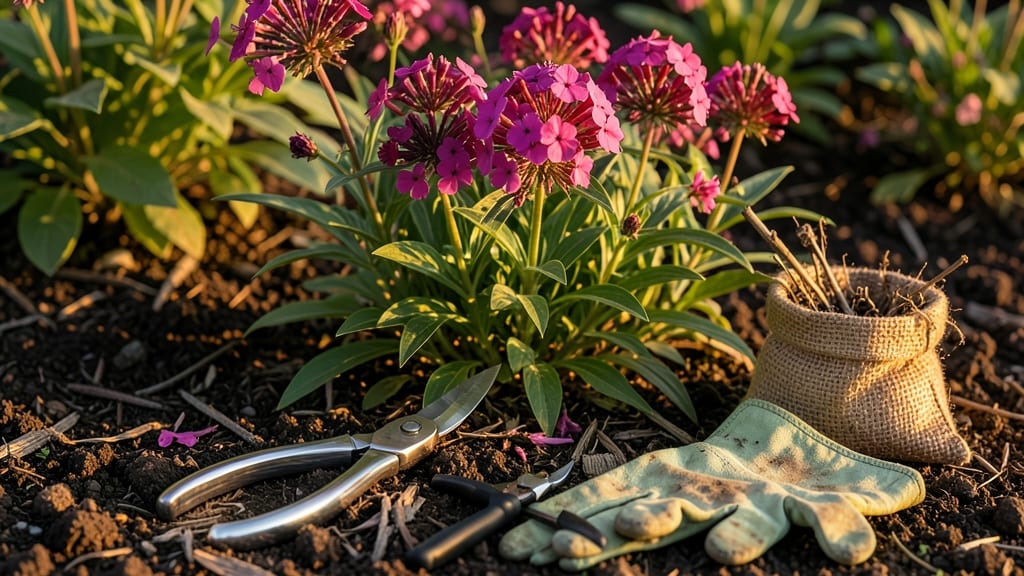
Summer phlox pruning transforms a single flush of blooms into nonstop color all season long—if you do it right. ✂️ The key is timing: prune right after the first wave of flowers fades (usually June or early July), but never after mid-August in cooler climates, or you risk cutting back next year’s blooms.
Start with clean, sharp pruners and cut just above a set of healthy leaves—never more than one-third of the plant’s height. Remove only spent blooms and leggy stems; avoid shearing the foliage, which stresses the plant. In hot zones, prune on overcast mornings to prevent shock.
This simple technique triggers a second, often more abundant bloom cycle while improving airflow to prevent powdery mildew. Your phlox will stay bushier, healthier, and in bloom for 6-8 weeks longer than unpruned plants. The trade-off? A slight delay in fall blooms in colder regions.
For northern gardens, hold off until late July—the plant needs time to recover before winter. Southern gardeners can prune twice: once after the first flush, again after the second. Always sterilize tools between cuts to avoid spreading disease.
📚 In This Guide
- What you need
- Instructions
- Tips and common mistakes
- Wrapping up and next steps
What you need
- ● Pruning shears – Bypass-style (sharp, clean cuts to avoid damaging stems). Quantity: 1 pair (sterilized with rubbing alcohol or soapy water).
- ● Hand pruners – For smaller stems or tight spaces. Quantity: 1 pair (with ergonomic grips for comfort).
- ● Garden gloves – Nitrile-coated (protects from thorns and dirt). Quantity: 1 pair (medium or large).
- ○ Disposable gloves – Optional but handy for sterilizing hands between plants if disease is a concern.
- ○ Garden twine or plant ties – Optional, for securing floppy stems post-pruning.
- ● Sunny day – Choose a mild, overcast morning to avoid stressing the plant (heat + pruning = no fun).
- ● Water nearby – A hose or watering can to hydrate plants before/after pruning.
- ● Trash bag or bucket – For clippings and debris (keep your workspace tidy!).
- ○ Optional: Pruning sealant – Only if you’re making large cuts (e.g., on woody stems) to prevent disease.
Step-by-Step guide to pruning summer phlox for continuous blooms
Here's how to keep your phlox flowering all summer—no guesswork, just proven techniques.
✂️ Step 1: Identify and Remove Spent Blooms Daily
Start by examining each flower cluster carefully. Look for blooms that have faded to a dull color or whose petals have begun to drop naturally—these are ready for removal. I like to work in the early morning when the flowers are still crisp, making it easier to spot spent blooms against fresh ones.
Use clean, sharp pruning shears to snip the stem just above the first set of healthy leaves below the faded bloom. This prevents unsightly stubs and encourages new growth from the correct node. I always carry a small spray bottle of water nearby to rinse my shears between cuts—this keeps them sharp and prevents spreading disease between plants.
✂️ Step 2: Prune to Encourage Bushier Growth
After removing all spent blooms, step back and assess the plant's overall shape. Phlox naturally grows in a rounded form, but over time, it can become leggy if you only deadhead. To maintain that lush, full look, I prune back stems that have finished blooming by about one-third of their length.
Focus on the outer stems first—they often bear the most flowers and benefit most from this light pruning. Avoid cutting into the center of the plant where new buds form. You'll know you're doing it right when you see fresh green growth emerging from the sides within 7-10 days. This technique keeps phlox flowering continuously rather than producing one big flush followed by bare stems.
☀️ Step 3: Maintain Proper Aftercare for Optimal Recovery
Immediately after pruning, give your phlox a deep watering to help it recover from the stress of cutting. Water at the base rather than overhead to prevent fungal issues. I always check the soil first—if it's already moist, I hold off until the top 2 inches feel dry. Overwatering after pruning can lead to root rot, which is the last thing you want with a plant you're trying to keep in peak condition.
After watering, apply a balanced, water-soluble fertilizer diluted to half strength. This gives your phlox the nutrients it needs to produce new blooms quickly. I've found that phlox responds best to a feeding schedule of every 2-3 weeks during the growing season. Avoid heavy fertilizers—they encourage leafy growth at the expense of flowers, which is the opposite of what we want here.
⏰ Step 4: Monitor and Repeat Weekly
Make pruning a weekly habit, especially during peak bloom season. I set a reminder on my phone for every Saturday morning—it takes about 15-20 minutes per plant to keep everything looking fresh. The key is consistency; phlox will reward regular attention with continuous blooms from early summer until fall frost.
Watch for any stems that develop powdery mildew, a common issue with phlox. If you spot white powder on leaves, prune those stems immediately and remove them from the garden. This prevents the fungus from spreading to healthy growth. A preventive spray of neem oil every 2 weeks during humid periods keeps powdery mildew at bay without harming the plant.
Tips & tricks for perfect pruning of summer phlox
Between us, the difference between a phlox plant that thrives all summer and one that fades into leggy disappointment often comes down to these simple but critical steps.
Timing Secret: Early morning is your best friend for deadheading—those crisp, dew-covered blooms make spent flowers instantly obvious. I've ruined three batches by waiting until afternoon when the flowers wilt naturally, making it harder to distinguish truly spent blooms from ones that just need a few more hours. The key is to work when the flowers are at their freshest, which makes the faded ones stand out like sore thumbs.
Pruning Precision: That one-third pruning rule in Step 2 isn't arbitrary—it's based on phlox's natural growth habit. Cutting back too much (more than one-third) stresses the plant and can trigger a second flush of blooms that arrive too late in the season. Too little (less than one-third) doesn't stimulate enough new growth. I mark my pruning shears with tape at the one-third point so I never guess wrong. This consistent cut is what keeps your phlox looking full and flowering continuously rather than in sporadic bursts.
Recovery Strategy: The deep watering after pruning isn't just about hydration—it's about signaling to the plant that it's time to focus on recovery rather than maintaining existing growth. I always check soil moisture before watering because phlox roots are surprisingly sensitive to overwatering after pruning. The two-inch dry soil rule prevents root rot while still giving the plant enough moisture to bounce back. This is where most gardeners go wrong—they either under-water (stressing the plant) or over-water (causing rot).
Pro Tips for Pruning Phlox In Summer
- Between us, the difference between a phlox plant that thrives all summer and one that fades into leggy disappointment often comes down to these simple but critical steps.
- Timing Secret: Early morning is your best friend for deadheading—those crisp, dew-covered blooms make spent flowers instantly obvious.
- Pruning Precision: That one-third pruning rule in Step 2 isn't arbitrary—it's based on phlox's natural growth habit.
Frequently asked questions
about pruning summer phlox—because even the pros need a little clarity! Here are answers to common queries to keep your garden thriving.When is the exact best time to prune summer phlox?
Prune summer phlox after the first flush of blooms (usually late June to early July) to encourage a second round of flowers. Avoid pruning in extreme heat—aim for early morning or late evening when it’s cooler. Pro tip: If blooms are already fading, don’t wait!
How much should I cut back? Will I ruin my plant?
Cut back one-third to one-half of the plant’s height, focusing on spent blooms and leggy stems. Never trim more than 50%—this ensures the plant retains energy for regrowth. Think of it like a haircut: a little goes a long way!
What if I missed summer pruning? Can I still save my phlox?
Yes! If you skipped summer pruning, wait until early fall (September) to trim back all the foliage by half. This helps the plant store energy for next year. Just avoid pruning too late—cold snaps can stress newly cut stems.
Should I worry about pests after pruning?
Pruning can sometimes attract pests like aphids or spider mites, but don’t panic! Preventative care: Spray plants with water to dislodge pests or use neem oil if needed. Healthy, well-pruned phlox is less prone to infestations—so keep up the good work!
Can I use the cuttings for propagation?
Take 4-6 inch cuttings from healthy stems, strip the lower leaves, and root them in water or moist potting mix. Phlox roots easily—just keep them in bright, indirect light until they’re ready to transplant. Bonus: Free plants for friends!
Wrapping up and next steps
Pruning your summer phlox doesn’t have to be a chore—it’s a simple way to keep your garden vibrant and full of life! By deadheading spent blooms regularly, you’ll encourage longer, healthier blooms and prevent your plants from overworking themselves.
With just a little effort, you’ll enjoy a stunning display all season long.
Ready to put your new skills to the test? Grab your shears and head to the garden! 🌸 Start with one section at a time, and soon, your phlox will be the star of your summer landscape. Happy pruning!