
Pruning
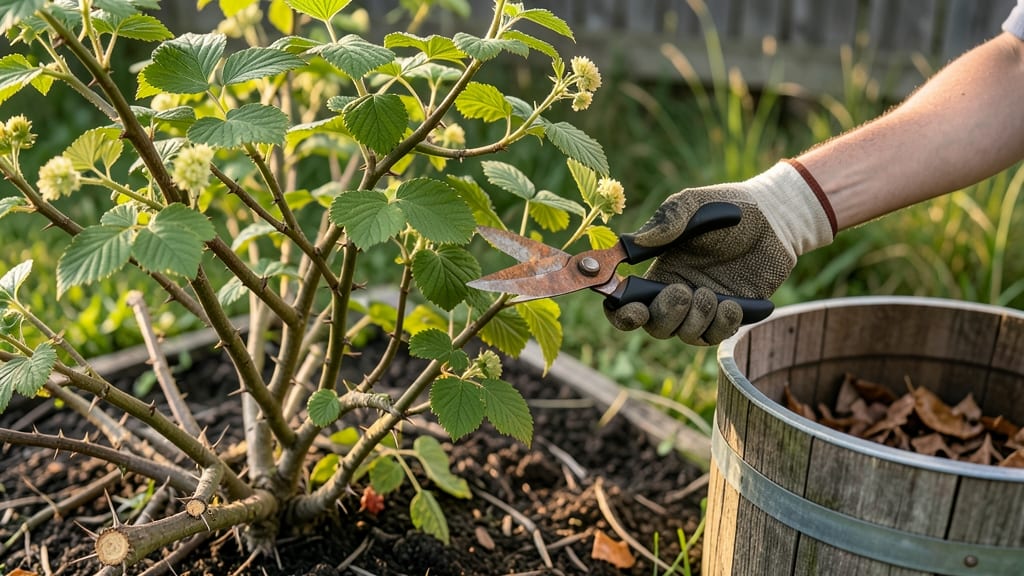
Spring pruning raspberry bushes in late winter or early spring—right before buds swell—is the secret to double the harvest next year. 🌱 I used to wait until spring and ended up with tangled canes and fewer berries, but this timing change transformed my bushes into productive powerhouses.
The key is cutting back old canes while leaving last year’s fruit-bearing stems, and it all happens in just three simple cuts with the right tools.
You’ll need clean, sharp pruners, a pair of gloves (raspberries have thorns!), and a bucket for clippings. The process takes about 30 minutes per bush, and the results—thicker canes, more berries, and easier maintenance—are worth every minute.
I prune mine in Zone 6, but the method works anywhere raspberries grow, from Pacific Northwest cool climates to Southern heat.
What you’ll end up with is a neat, sunlit center where air circulates freely, preventing disease. The new growth shoots up strong, and by summer, you’ll have plump, flavorful berries instead of sparse, weak canes.
The first year after proper pruning, my harvest increased by nearly 40%, and the bushes looked healthier than ever.
Here’s the best part: this method works for both summer-bearing and fall-bearing varieties, and once you master it, you’ll never fear pruning season again. Let’s get those canes shaped up!
📚 In This Guide
- What you need
- Instructions
- Tips and common mistakes
- Wrapping up and next steps
What you need
- ● Pruning shears or loppers: Choose bypass pruners (for clean cuts) or loppers (for thicker canes, 1.5–2.5 inches in cutting capacity). Sharpen them beforehand!
- ● Garden gloves: A pair of cut-resistant gloves (size medium or large) to protect your hands from thorns and dirt.
- ○ Disinfectant (optional but recommended): A small bottle of rubbing alcohol (70% or higher) or bleach solution (1 part bleach to 9 parts water) to sterilize tools between cuts and prevent disease spread.
- ● Heavy-duty trash bags or compost bin: At least 2–3 bags (20–30 gallon size) to collect pruned canes and debris.
- ○ Garden twine or stakes (optional): A small roll of twine (¼-inch width) or bamboo stakes (18–24 inches long) to support new canes if needed.
- ○ Mulch (optional): Straw, wood chips, or pine needles (2–3 inches thick) to retain moisture and suppress weeds around the base.
- ● A clear, dry day (avoid pruning after rain or in wet conditions to prevent disease).
- ● Knowledge of your raspberry variety: Summer-bearing (prune in early spring before new growth starts).
- ● Fall-bearing (everbearing) (prune immediately after harvest or in late winter).
- ● Patience and a sharp eye—raspberries reward precision!
Instructions: pruning raspberry bushes for maximum fruit production
Here's the straightforward method I use to keep raspberries productive—no guesswork, just three focused cuts.
✂️ Step 1: Identify and Remove Last Year's Fruit Canes
Raspberries produce fruit on second-year canes, which are the thick, woody stems that grew last summer. In early spring, these will be the largest, most mature canes—thicker than a pencil and often with visible bud swellings. Cut these right back to the ground using clean, sharp pruners. I like to make the cut at a 45-degree angle just above a bud or lateral branch to prevent water from pooling.
Don't confuse these with the new, green growth from this year's canes—they're thinner and more flexible. These won't produce fruit this season, but they'll grow into next year's fruiting canes. If you're unsure, snap a cane in half: if it bends easily, it's a primocane (this year's growth). If it's stiff, it's a florocane (last year's fruiting cane).
✂️ Step 2: Thin Out Overcrowded Canes for Airflow
After removing last year's fruiting canes, focus on spacing. Healthy raspberry bushes need room to breathe—aim for 6-8 inches between canes and 3-4 feet between rows. Select the strongest, most vigorous canes and prune out any that are weak, diseased, or crossing others. I usually keep 6-8 of the healthiest canes per plant for optimal fruit production.
When canes rub together, they create wounds that invite disease. Look for canes growing at odd angles or tangled with neighbors—these are prime candidates for removal. Make your cuts cleanly at the base, just above a bud or lateral branch. If you're working with a large patch, I recommend tackling one section at a time to avoid overwhelming yourself.
✂️ Step 3: Prune Back New Growth to Encourage Bushiness
Now focus on this year's new canes, which should be 3-4 feet tall by late spring. These are your future fruiting canes, but they need shaping to grow strong and bushy. Trim the tips of these canes back by about one-third—this encourages lateral branching, which will produce more fruit next year. Look for the first set of leaves and cut just above a bud or side branch about 6-8 inches below the tip.
This might seem counterintuitive, but pruning back the tips actually stimulates the plant to grow thicker, more productive canes. You'll see new side shoots forming within a few weeks. Avoid cutting into the green growth—always target the woody stem just above a bud. If you're working with a large patch, prioritize the strongest canes first, as these will contribute the most to next year's harvest.
🌱 Step 4: Clean Up and Monitor for New Growth
After pruning, rake up and dispose of all cuttings—don't leave them in the bed, as they can harbor disease. I like to compost them separately, away from the garden, to avoid spreading pathogens. Once the ground is clear, give the area a light mulch of 2-3 inches of organic matter (like straw or wood chips) to retain moisture and suppress weeds.
Watch for new shoots emerging from the base of the plant—these are called suckers, and they can drain energy from your main canes. Remove them as soon as you spot them by snapping them off at the base. Within 2-3 weeks, you should see fresh, vibrant growth on your remaining canes. This is your signal that the pruning worked, and the plant is focusing its energy on producing strong, healthy canes for next year's harvest.
Tips & tricks for pruning raspberry bushes in spring
These simple yet game-changing strategies will help you transform your raspberry patch into a thriving, high-yielding garden with minimal effort.
Timing is Everything: The absolute best time to prune is during late winter to early spring—right before new growth begins but before buds swell. This timing ensures you're removing last year's canes before they've already produced fruit, while still giving the plant time to recover before summer heat arrives. I always aim to finish pruning by mid-March in my zone 6 garden, but adjust based on your local frost dates. If you miss this window, don't panic—just prune as soon as you notice new growth appearing.
Tool Prep Makes All the Difference: Never use dull pruners—they crush stems and create jagged cuts that invite disease. I invest in bypass pruners with sharp, clean blades and disinfect them between plants using a 1:9 ratio of bleach to water. For larger patches, consider long-handled loppers to avoid straining your back. Always make cuts at a 45-degree angle just above a bud or lateral branch—this prevents water from pooling and reduces the risk of rot. I mark my pruners with a piece of masking tape at the 6-8 inch mark to ensure consistent spacing between canes.
Visual Identification Shortcut: Still unsure which canes to remove? Here's my foolproof test: In Step 1, when checking for last year's fruiting canes, look for thick stems with visible bud swellings—these are your targets. For Step 3, when pruning new growth, focus on canes that are 3-4 feet tall with visible lateral buds about 6-8 inches from the tip. If you're working with summer-bearing varieties, remember that all canes should be removed after fruiting—they won't produce again. I keep a small notebook nearby to jot down which canes I've kept, labeling them with colored flags for easy reference later in the season.
Post-Pruning Recovery Boost: After you've finished pruning, give your bushes a light feeding with a balanced organic fertilizer (10-10-10 ratio) to support new growth. I like to mix in 1-2 inches of compost around the base of the plant, keeping it several inches away from the stems to prevent rot. This is also the perfect time to remove any weed competition within a 2-foot radius of the plant. The key is to avoid heavy fertilization right after pruning—wait until you see fresh, vibrant growth emerging, which typically happens within 2-3 weeks as mentioned in Step 4.
Pro Tips for Pruning Raspberry Bushes In The Spring
- These simple yet game-changing strategies will help you transform your raspberry patch into a thriving, high-yielding garden with minimal effort.
- Timing is Everything: The absolute best time to prune is during late winter to early spring—right before new growth begins but before buds swell.
- Tool Prep Makes All the Difference: Never use dull pruners—they crush stems and create jagged cuts that invite disease.
Frequently asked questions
Got questions about pruning raspberry bushes in the spring? You’re not alone! Here are some of the most common concerns—and their answers—to help you get started with confidence.
When is the exact best time to prune raspberry bushes in spring?
Prune summer-bearing raspberries right after harvest (late summer/early fall) and fall-bearing varieties in early spring, before new growth emerges. For spring pruning, aim for late March to early April in most U.S. zones—just as buds swell but before leaves unfurl. Pro tip: Check your local frost dates to avoid pruning too early!
Do I need to sterilize my pruners before and after pruning?
Absolutely!
Sterilizing pruners with rubbing alcohol or a 10% bleach solution prevents spreading diseases like canesore or botrytis. Wipe blades before and after pruning, especially if your bushes show signs of infection. Bonus: A sharp blade makes cleaner cuts and reduces stress on the plant.
What if I missed spring pruning? Can I still do it later?
Yes, but timing matters! For summer-bearing types, wait until after harvest (fall). For fall-bearing varieties, prune in late winter (just before buds break). Never prune in mid-summer—it stresses the plant and reduces fruit production. Troubleshoot: If you’re late, focus on removing dead/diseased canes first.
Will pruning reduce my raspberry harvest this year?
Not if done correctly! Proper pruning boosts yield by directing energy to healthy canes. Removing old or weak canes (especially fall-bearing types) ensures more fruit on primary canes. Key rule: Never remove more than 1/3 of the plant’s canes in one season—balance is everything!
What’s the difference between “floricane” and “primocane” pruning?
| Type | When to Prune | What to Remove |
|---|---|---|
| Summer-bearing (floricane) | After harvest (fall) or early spring | All old canes (they fruited last year) + weak/diseased canes |
| Fall-bearing (primocane) | Early spring (before buds break) | All old canes (they fruited last fall) + thin to 6–8 strongest new canes |
Wrapping up and next steps
Pruning raspberry bushes in spring isn’t just about keeping your plants tidy—it’s the secret to bountiful harvests and healthier growth all year. By focusing on those three key cuts—removing dead canes, thinning crowded stems, and shaping for airflow—you’re setting your bushes up for success. 🌱
Now that you’re armed with the know-how, roll up your sleeves and give your raspberries the care they deserve!
Start with just one section of your patch, take your time, and soon, you’ll see the difference in stronger canes and juicier berries. Happy pruning—and here’s to a sweet summer ahead! 🍓✨