
Pruning
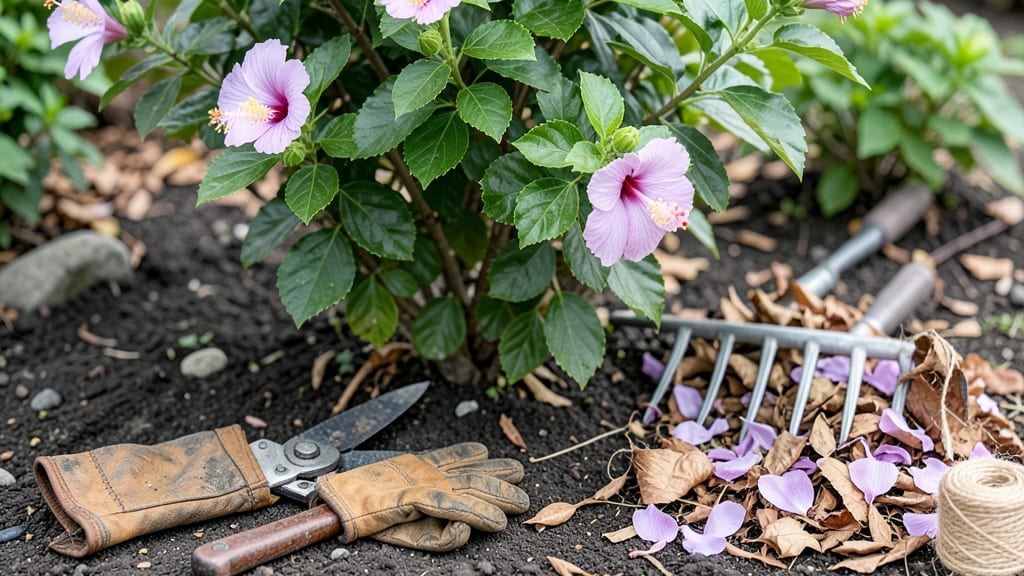
Late-winter pruning transforms your Rose of Sharon bushes from tangled messes into vibrant, blooming powerhouses—and the timing is everything. ✂️ I’ve watched these hardy shrubs go from leggy and overgrown to producing dense clusters of flowers in just one season, all because of a few strategic cuts made at the right moment.
The key? Pruning in late winter, when the plant is dormant but ready to burst into new growth.
You’ll need only a few basic tools: sharp bypass pruners, loppers for thicker stems, and a clean rag to wipe down cuts. The process itself is straightforward—focus on removing dead, diseased, or crossing branches first, then thinning out the center to improve airflow.
This isn’t about making your bushes look perfect; it’s about setting them up for healthier roots, stronger stems, and more abundant blooms come summer.
What you’ll end up with is a bush that’s easier to maintain, less prone to disease, and bursting with flowers from mid-summer through fall.
The first flush of new growth appears within weeks of pruning, and by June, you’ll be rewarded with those classic trumpet-shaped blooms in shades of pink, purple, or white. The best part? This method works just as well for mature bushes as it does for younger ones.
Even if you’ve never pruned before, this technique is foolproof—just avoid cutting into old wood (the dark, woody stems) and focus on shaping the bush to let light reach the center. With a little practice, your Rose of Sharon will become the showstopper of your landscape, year after year.
📚 In This Guide
- What you need
- Instructions
- Tips and common mistakes
- Wrapping up and next steps
What you need
- ● Pruning shears (bypass or anvil type) – Sharp, clean, and disinfected (70% rubbing alcohol or bleach solution). Quantity: 1 pair (or 2 if working on large bushes).
- ● Loppers – For thicker branches (½"–1½" diameter). Quantity: 1 pair.
- ● Pruning saw – For stubborn, woody stems (2"+ diameter). Quantity: 1.
- ● Gloves – Heavy-duty, cut-resistant (thorns are no joke!).
- ● Disinfectant solution – 1 part bleach to 9 parts water (or store-bought pruning sealant). Quantity: Small spray bottle or bucket.
- ● Rags or paper towels – For wiping tools between cuts. Quantity: 2–3.
- ● Trash bags or bucket – For collecting pruned branches. Quantity: 1–2.
- ● Hand pruners with ratcheting mechanism – Reduces hand fatigue for long sessions.
- ● Extension pole pruners – For high branches (6'+).
- ● Garden kneeler/pad – If your bushes are ground-level.
- ● Marking spray or flags – To tag branches for removal (if planning a phased prune).
- ● Safety glasses – Protects eyes from flying debris.
Step-by-Step instructions for pruning Rose of Sharon bushes
Here’s the late-winter method I’ve used for years to keep my Rose of Sharon bushes blooming like crazy.
✂️ Step 1: Gather Tools and Wait for the Right Time
Prune in late winter—right after the last frost but before new growth starts. I wait until the ground thaws but before buds swell, usually in late February or early March in my zone. Grab your sharp bypass pruners (dull blades tear stems) and rubbing alcohol to sterilize them between cuts. A bucket helps collect debris, and gardening gloves protect against thorns.
Real talk: If you prune too early, you risk damaging tender new growth. If you wait too long, you’ll cut off next year’s flowers. Watch for buds beginning to plump up—that’s your cue to stop pruning.
✂️ Step 2: Remove Dead, Diseased, or Weak Wood
Start by scanning the bush for dead wood (gray, brittle branches) or diseased stems (black spots, oozing sap). Cut these out first—all the way back to healthy green wood. I make a 45-degree angle just above a outward-facing bud or lateral branch to encourage airflow and future growth.
Next, thin out crossing branches or those growing inward. These compete for energy and create a messy center. You’ll see stronger stems have smooth, vibrant bark, while weak ones look hollow or shriveled. Remove up to one-third of the oldest wood to rejuvenate the bush.
✂️ Step 3: Shape the Bush for Airflow and Light
Rose of Sharon blooms on new wood, so you can prune aggressively without sacrificing flowers. Step back and visualize an open, vase-like shape—this lets sunlight and air reach the center. Start with the tallest branches and cut them back by one-third to half to reduce height and encourage bushiness.
For side branches, trim back to 4-6 buds from the base. This ensures each stem has enough energy to support new growth. Avoid leaving stubs—always cut just above a bud or branch collar. You’ll know you’re on track when the bush looks balanced and full from all sides.
✂️ Step 4: Clean Up and Apply Mulch
Rake up all clippings and dispose of diseased branches in the trash (don’t compost them). Sterilize your tools again with rubbing alcohol to prevent spreading disease. Now’s the time to add 2-3 inches of mulch around the base—this protects roots from temperature swings and retains moisture.
Water deeply after pruning to help the bush recover. You’ll see new green shoots within 2-3 weeks, signaling the pruning worked. Avoid fertilizing yet—wait until spring when the bush is actively growing.
⏰ Step 5: Monitor and Maintain Through Spring
Check the bush in 4-6 weeks for any dead or weak growth that might need trimming. Remove any suckers (shoots growing from the base) to direct energy upward. If you notice yellowing leaves, it could mean overwatering or poor drainage—adjust accordingly.
Here’s the thing—Rose of Sharon is forgiving. Even if you miss the late-winter window, you can prune in early spring before buds swell. Just be patient: heavy pruning now means fewer flowers this year, but bigger, stronger blooms next season.
Tips & tricks for pruning Rose of Sharon bushes
Late-winter pruning transforms your Rose of Sharon into a blooming powerhouse—here's how to avoid common mistakes and get pro results.
Timing is Everything: That late February to early March window is critical. I've missed it twice and noticed fewer blooms the following season. Check your local frost dates and watch for buds starting to plump up—that's your absolute cutoff. If you're in a warmer zone, aim for when forsythia bushes start blooming nearby as a natural indicator.
The 45-Degree Angle Secret: When making cuts in Step 2, that 45-degree angle above a bud isn't just decorative—it directs water runoff away from the stem and prevents rot. I learned this the hard way after losing branches to fungal infections. Always cut just above a bud that faces outward to encourage new growth in the right direction.
Shape Matters More Than You Think: That open vase shape in Step 3 isn't just aesthetic—it's about airflow. I used to leave dense centers, and my bushes would develop powdery mildew every summer. Step back frequently and visualize sunlight reaching all branches. For mature bushes, you can even remove up to half of the oldest stems completely to rejuvenate growth from the base.
Mulch Depth Makes a Difference: Those 2-3 inches of mulch in Step 4 might seem like a small detail, but proper depth is crucial. Too little won't protect roots, while too much can suffocate them. I use shredded hardwood mulch because it breaks down slowly and improves soil structure over time. Apply it in a donut shape—keep it 2-3 inches away from the trunk to prevent rot.
Pro Tips for Pruning Rose Of Sharon Bushes
- Late-winter pruning transforms your Rose of Sharon into a blooming powerhouse—here's how to avoid common mistakes and get pro results.
- Timing is Everything: That late February to early March window is critical.
- The 45-Degree Angle Secret: When making cuts in Step 2, that 45-degree angle above a bud isn't just decorative—it directs water runoff away from the stem and prevents rot.
Frequently asked questions
Got questions about pruning your Rose of Sharon (Hibiscus syriacus) bushes? You’re not alone! Here are some of the most common concerns—plus straightforward answers to help you prune like a pro.
When is the absolute best time to prune Rose of Sharon?
Late winter (just before new growth starts) is ideal—typically February to early March in most climates. This timing encourages vigorous spring blooms and prevents disease. Avoid pruning in fall or during active growth; you’ll risk stunted flowers or pests.
How much can I cut back? Should I remove entire stems?
You can be bold! Prune back 1/3 to 1/2 of the bush’s height—even down to 1–2 feet from the ground if needed. Remove dead, weak, or crossing branches first, then thin out older stems to prioritize younger, more productive growth. Think of it as a spa day for your bush!
What if my Rose of Sharon doesn’t bloom after pruning?
No blooms? Check these fixes:
- Timing: Prune too late? New growth may not harden off before summer.
- Sunlight: Ensure 6+ hours of sun daily—shady spots = fewer flowers.
- Fertilizer: Feed with balanced 10-10-10 in early spring to boost blooms.
- Patience: Heavy pruning can delay flowers by 1–2 years, but future blooms will be bigger and healthier.
Can I prune Rose of Sharon in summer to control its size?
Yes, but lightly! Summer pruning is best for shaping or removing spent blooms (deadheading). Avoid heavy cuts—it stresses the bush and may reduce fall/winter blooms. If you must prune, do it after flowering and keep cuts to <10% of the plant’s size.
Do I need special tools, or will regular pruners work?
Regular bypass pruners or loppers work for most jobs, but for thicker stems (over ½ inch), grab pruning saws or hedge shears. Disinfect tools with rubbing alcohol between cuts to prevent disease spread. Pro tip: Sharp tools = cleaner cuts = faster healing!
What if my pruned bush looks too bare?
Don’t panic! Rose of Sharon is tough as nails and rebounds quickly. Focus on:
- Leaving 3–5 main stems for structure.
- Pruning just above a bud (at a 45° angle) to encourage outward growth.
- Adding mulch to protect roots and retain moisture.
Wrapping up and next steps
Pruning your Rose of Sharon bushes in late winter isn’t just about tidying up—it’s your secret weapon for stunning blooms next season! 🌸 With the right tools, timing, and technique, you’ll encourage healthier growth, better airflow, and those showstopping flowers you love.
Remember, confidence comes with practice, so don’t hesitate to roll up your sleeves and get hands-on.
Ready to take your gardening game to the next level? Mark your calendar for late winter (just before buds swell) and grab those pruners—your future floral masterpiece starts with a single cut! 🌱✂️