
Pruning
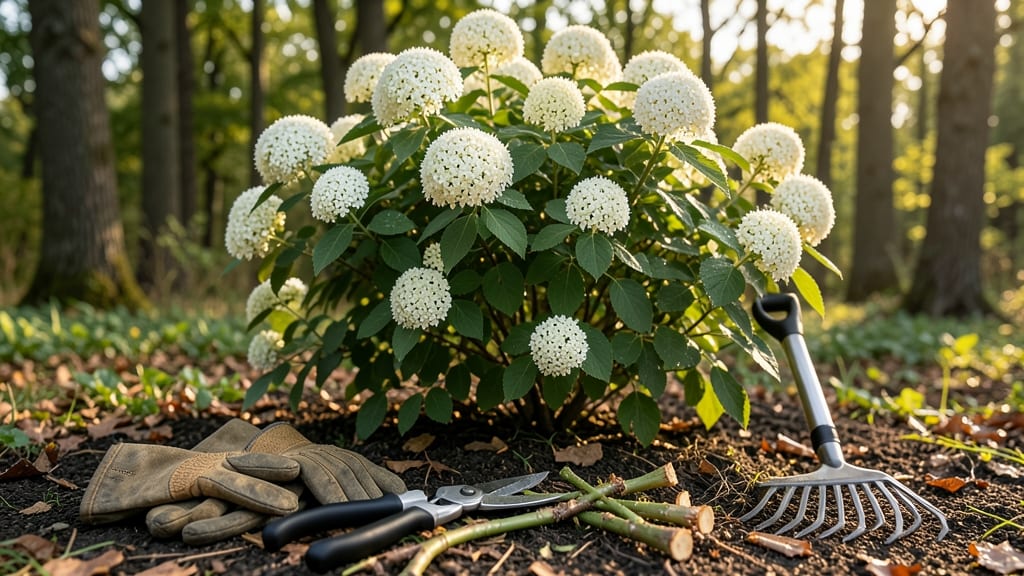
Pruning snowball viburnum transforms it from a scraggly mess into a showstopping cloud of white blooms every spring. 🌸 I’ve pruned mine for five years, and the difference between a neglected bush and one that bursts with flowers is all in the timing and technique—no fancy tools required.
The key is pruning right after flowering, when the plant has finished its spring display but before summer’s heat stress sets in. Grab your loppers and gloves, then focus on removing 1/3 of the oldest stems at the base—this opens up the center for better airflow and encourages fresh growth.
Thinning out crowded branches prevents disease and makes future pruning easier. You’ll notice thicker foliage and more abundant blooms next year—my bush now produces so many flowers that bees swarm it like a five-star buffet.
The secret is consistency: a little maintenance now means fewer dramatic cuts later, and your viburnum will thank you with years of effortless beauty. Works for both young shrubs and mature ones—just adjust the intensity. Here’s how to do it without a single dead branch in sight!
📚 In This Guide
- What you need
- Instructions
- Tips and common mistakes
- Wrapping up and next steps
What you need
- ● Pruning shears: Bypass pruners with sharp, clean blades (4–6" cutting range). ⚠️ Dull blades crush stems—yikes!
- ● Loppers: For thicker branches (up to 1.5" diameter). Look for ratcheting or bypass types for precision.
- ● Hand pruners: Small, ergonomic shears (3–4" cutting range) for delicate trimming.
- ● Gloves: Heavy-duty, cut-resistant gloves (gardening or pruning-specific) to protect from thorns.
- ○ Disinfectant: 70% rubbing alcohol or a pruning sealant (optional but recommended for large cuts).
- ● Pruning saw: Only if branches exceed 2" in diameter (folding saw with fine teeth works best).
- ● Bucket or bag: A 5-gallon bucket or heavy-duty trash bag to collect clippings.
- ● Ladder: A stable, 6–8 ft step ladder if your viburnum is taller than your reach.
- ● Marking twine: For tagging branches to prune (if you’re really organized).
- ● Plant food: Balanced 10-10-10 fertilizer to nourish your bush post-prune (apply in early spring).
- ● Safety goggles: To shield eyes from debris (especially if sawing thick branches).
Instructions for pruning snowball viburnum: a seasonal guide
Here's how I keep my snowball viburnum looking lush and blooming reliably every spring.
✂️ Step 1: Prune Immediately After Flowering
Right after the spring blooms fade—usually late May to early June—is the perfect time to shape your snowball viburnum. This timing ensures you don't accidentally cut off next year's flower buds, which form on last year's growth. I grab my clean, sharp pruners and start by removing any dead, damaged, or crossing branches first.
Look for branches that rub against others or grow inward—they'll compete for sunlight and weaken the plant. Cut these back to the main stem at a 45-degree angle, about ¼ inch above a healthy outward-facing bud. This encourages new growth in the right direction. I like to step back every few cuts to check the overall shape—you want an open center that lets light reach the interior branches.
🌿 Step 2: Thin Out Overcrowded Branches
Snowball viburnum naturally grows dense, so thinning is key to maintaining airflow and preventing disease. Focus on removing 10-20% of the oldest wood each year to rejuvenate the plant. I target branches that are thicker than a pencil—these are the ones that hog nutrients and shade out younger growth.
Make your cuts just above a leaf node where new buds are forming. You'll see these as small bumps or swellings on the stem. Avoid cutting flush with the trunk—leave a tiny collar to prevent water from pooling and rotting the wound. If a branch is completely dead (no green inside when you cut it), remove it entirely down to the main stem.
☀️ Step 3: Lightly Shape in Late Summer
In August or early September, give your viburnum a quick check for any branches that grew too leggy or out of place during the spring flush. This isn't about heavy pruning—just a 10-15 minute tidy-up to maintain the shape you established earlier.
Pinch back any new growth that's extending beyond the plant's natural form. You'll notice these as long, thin shoots with no side branches. Cutting them back now prevents them from becoming unruly before winter. I also remove any suckers at the base—these are low-growing shoots that drain energy from the main plant. Pull them out completely rather than pruning, since they don't have buds to regrow from.
⏰ Step 4: Clean Up in Late Winter
Just before new growth starts—usually mid to late February—do a final sweep to remove any dead or broken branches from winter storms. This is also when I sterilize my pruners with rubbing alcohol to prevent spreading disease as the plant wakes up.
Don't worry about shaping much at this point—just clear out anything that's clearly damaged. The plant will put out fresh growth from dormant buds, and you'll have another chance to refine its shape in spring. I like to rake up and dispose of all pruned material to reduce pests and diseases that might overwinter in the debris.
🌱 Step 5: Monitor and Adjust Year-Round
Throughout the growing season, keep an eye out for branches that grow too aggressively or block walkways. A quick trim with hand pruners keeps things manageable. I find that snowball viburnum responds well to light, regular maintenance rather than dramatic cuts.
If you notice any signs of stress—yellowing leaves, sparse blooms, or dieback—it might be time for a more thorough pruning in the following spring. The key is to never remove more than 25% of the plant's foliage in one season. Your goal is to encourage a full, bushy shape with plenty of blooms, not to turn it into a stubby shrub.
Tips & tricks for pruning snowball viburnum
These simple tricks will help you maintain a thriving, blooming snowball viburnum with minimal effort.
Timing is Everything: The late May to early June window for Step 1 is non-negotiable. I've learned this the hard way—pruning too early can remove flower buds that haven't formed yet, while waiting too long risks cutting off next year's blooms. Mark your calendar right after your viburnum finishes flowering to ensure you catch this critical window.
Bud Identification Made Easy: When making cuts in Step 1 or Step 2, look for those small swellings on the stem—they're your leaf nodes where new buds form. I always run my thumb along the stem to feel for these bumps before making my cut. This ensures you're encouraging growth in the right direction rather than accidentally removing potential blooms.
Pruner Maintenance Matters: Clean, sharp pruners aren't just about clean cuts—they're about plant health. In Step 4, I sterilize my tools with rubbing alcohol before winter pruning to prevent spreading disease. For regular pruning, simply wipe them down with a damp cloth between cuts. Dull pruners crush stems instead of making clean cuts, which can invite pests and diseases.
Visual Shape Check: After every few cuts in Step 1, step back and look at your viburnum from all angles. You're aiming for an open center that lets sunlight reach all branches. I imagine looking through the plant—if I can see light through the middle, I know I've got good airflow and future bloom potential. This simple visual check prevents that dense, unruly look that many viburnums develop.
Pro Tips for Pruning Snowball Viburnum
- These simple tricks will help you maintain a thriving, blooming snowball viburnum with minimal effort.
- Timing is Everything: The late May to early June window for Step 1 is non-negotiable. I've learned this the hard way—...
- Bud Identification Made Easy: When making cuts in Step 1 or Step 2, look for those small swellings on the stem—they'r...
Frequently asked questions
Got questions about keeping your Viburnum opulus (snowball viburnum) looking its best? You’re not alone! Here are answers to the most common queries—so you can prune with confidence and enjoy those lush, snowy blooms year after year.
When is the best time to prune snowball viburnum?
The ideal window is right after flowering (late spring to early summer), but you can also do light shaping in late winter before buds swell. Avoid pruning in fall—it can stimulate tender new growth that won’t survive winter. Pro tip: Never prune in fall unless removing dead wood!
Can I prune snowball viburnum in winter?
Yes, but only for structural cuts—like removing dead, diseased, or crossing branches. Winter pruning is best done on dormant plants (late winter, before buds break). Avoid heavy pruning, as it can stress the plant. If you must prune in winter, do it early (before January) for minimal risk.
What if I prune at the wrong time and my snowball viburnum doesn’t bloom?
Don’t panic! Snowball viburnums are forgiving. If you pruned too late (fall/winter), it may skip blooming that year, but it’ll rebound. Focus on removing only 1/3 of the oldest wood in late spring. Next year, it’ll bounce back with even more vigorous growth and blooms!
How much can I prune snowball viburnum without harming it?
For rejuvenation, prune back 1/3 of the oldest stems to the ground in late spring. For routine maintenance, remove only dead wood, weak branches, or those growing inward. Avoid cutting back more than 25% of the plant’s total volume in one year—this keeps it healthy and blooming!
What’s the difference between pruning snowball viburnum and other shrubs?
Unlike spring-flowering shrubs (which bloom on old wood), snowball viburnums bloom on new wood, so you can prune after flowering without sacrificing blooms. Also, they hate heavy pruning—unlike boxwoods or lilacs, which tolerate it better. Think light touches, not drastic cuts!
Bonus Tip: How do I encourage bushier growth?
To thicken your viburnum, prune just above a leaf bud (never at a joint) and avoid cutting back to bare wood. Water deeply after pruning, and feed with balanced fertilizer in early spring. Over time, this promotes denser foliage and more blooms!
Wrapping up and next steps
Pruning your snowball viburnum doesn’t have to be intimidating—it’s all about timing, technique, and a little patience! 🌿 With the right tools and a clear plan, you’ll reward yourself with lush, vibrant blooms and a bushier, healthier plant year after year.
Whether you’re tackling winter cleanup or shaping growth in spring, every snip brings you closer to that stunning, snowball-like display.
Ready to roll up your sleeves? Grab your pruners, dust off your gloves, and give your viburnum the TLC it deserves. Start small—even a single branch makes a difference—and soon, your garden will be the talk of the neighborhood! 🌸