
Pruning
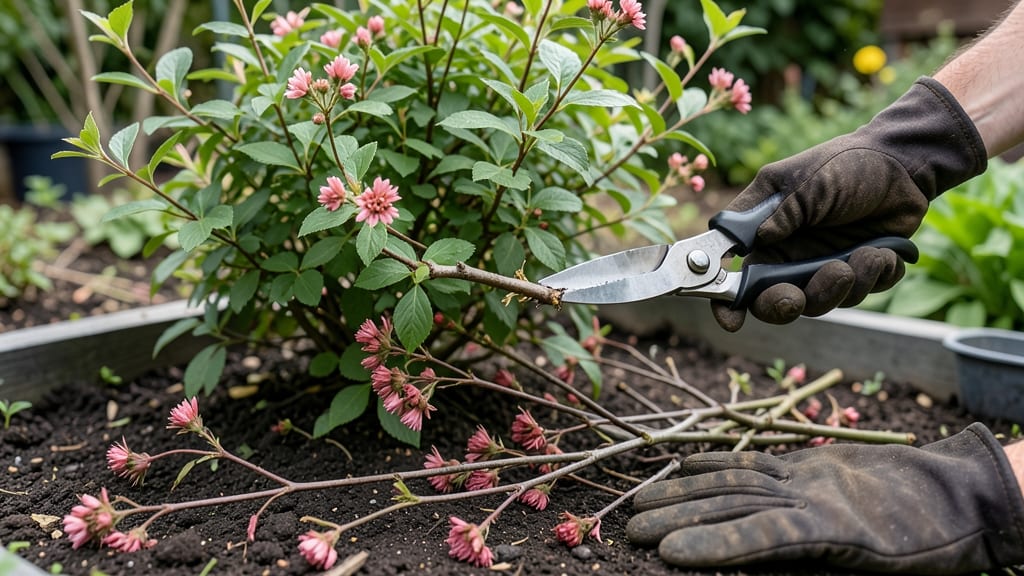
Summer pruning spirea isn’t just possible—it’s the secret to bushier blooms next season. 🌿 I’ve watched my spirea go from sparse and leggy to a lush, flowering powerhouse by cutting at the right time, and the key is acting now, not waiting until late summer when it’s too late for some varieties.
The right approach means cutting back one-third of the oldest stems to encourage new growth while leaving the younger, flower-filled branches intact. Grab your pruners, sanitize the blades with rubbing alcohol, and work on a dry morning—this keeps disease at bay and makes the job cleaner.
Timing matters: aim for early to mid-summer, before the flowers fade.
What you’ll end up with is a spirea that looks fuller, blooms more abundantly, and stays compact—no more scraggly branches ruining your landscape. The new growth you encourage now will harden off by fall, giving you a head start on next year’s flowers.
Plus, you’ll avoid the dreaded late-summer pruning mistake that leaves some varieties bare.
This method works for all spirea types, from the classic Spiraea japonica to the showy Spiraea arguta. Just remember: clean cuts at 45 degrees, remove any dead or crossing branches, and mulch afterward to protect those fresh cuts.
Your spirea will thank you with a stronger, more vibrant display next spring.
📚 In This Guide
- What you need
- Instructions
- Tips and common mistakes
- Wrapping up and next steps
What you need
- ● Pruning shears: Bypass pruners (sharp, 6-8" blades) for clean cuts on smaller stems.
- ● Loppers: Long-handled (20-24") for thicker branches (½"–1" diameter).
- ● Hand pruners: Anvil-style (for stubborn, woody stems—disinfect between cuts!).
- ● Garden gloves: Heavy-duty, cut-resistant (spirea thorns don’t play nice!).
- ● Disinfectant: 70% isopropyl alcohol or 10% bleach solution (1 part bleach to 9 parts water) to sterilize tools.
- ● Rubbing alcohol or wipes: For quick tool clean-ups between cuts.
- ○ Garden twine or zip ties: (Optional) To secure large branches post-pruning if needed.
- ● Extension pole: For hard-to-reach branches (12–15 ft).
- ● Hose with nozzle: To rinse off sap or debris after pruning.
- ● Compost bin: For collecting pruned branches (spirea makes great mulch!).
- ● Marking spray: Non-toxic paint to tag cuts if you’re doing a major renovation.
Step-by-Step instructions for pruning spirea in summer
Here's how I transform leggy spirea into a full, flowering powerhouse—just follow these sharp, clean cuts.
✂️ Step 1: Time Your Pruning for Maximum Impact
Spirea blooms on new wood, so summer pruning actually encourages more vigorous growth and denser flowers next season. Wait until right after flowering—when spent blooms begin to fade but before new buds form. This is typically mid-to-late summer, depending on your climate. If you prune too early, you risk cutting off next year's flower buds.
Grab your pruners and scan the bush for dead, crossing, or weak branches. These are your first targets—they rob energy from healthy growth. I like to start with the obvious: any stems that look brown, brittle, or tangled with others. These won’t recover and only clutter the center of the plant.
✂️ Step 2: Make Clean Cuts to Encourage Bushier Growth
Using sharp, clean pruners, cut back one-third of the oldest stems to the ground. This rejuvenates the plant by stimulating new shoots from the base. For the remaining stems, trim back by half to encourage branching. Always cut just above a leaf node or outward-facing bud—this ensures new growth will angle outward, creating a fuller shape.
Here’s the trick: angle your cuts at 45 degrees, about ¼ inch above the bud. This prevents water from pooling on the cut, which can rot the stem. If a branch is too thick for hand pruners, use loppers—but make sure they’re sharp to avoid tearing the bark. You’ll see immediate improvement as the center opens up and light reaches more leaves.
✂️ Step 3: Shape for Balance and Airflow
Step back and assess the bush’s overall shape. Spirea thrives when it’s rounded and open, not tight or congested. Remove any stems that grow straight up—these create weak, leggy growth. Instead, aim for a natural, layered look, with shorter branches at the bottom and longer ones at the top.
Thin out crowded areas by selectively removing every other branch in tight clusters. This improves airflow, which reduces disease risk. If you’re unsure, imagine the bush as a clock face: distribute cuts evenly around the plant. You’ll notice new shoots emerging within 2-3 weeks—that’s your reward for precise pruning.
💧 Step 4: Post-Pruning Care for Strong Recovery
After pruning, give the bush a deep watering to help it recover. The fresh cuts are vulnerable to stress, so keep the soil evenly moist (but not soggy) for the next 2 weeks. Avoid heavy fertilizing right after pruning—let the plant focus on healing before pushing new growth.
Monitor the bush for new shoots emerging from the base. These are your future flowering stems. If you see any yellowing leaves or wilting, it’s a sign of over-pruning or stress. Adjust your approach next time: never remove more than one-third of the plant in a single season. With proper care, your spirea will rebound with fuller blooms and stronger stems next year.
Tips & tricks for perfect summer spirea pruning
Here’s what I learned after years of pruning spirea—these small adjustments make all the difference between a bush that flops and one that thrives.
Timing is Everything: If you’re unsure about the exact moment to prune, look for these clues: the blooms should be mostly spent (drooping or fading), but you should still see some fresh color remaining. I’ve pruned too early and lost next year’s flowers—don’t make that mistake! The mid-to-late summer window is critical because spirea blooms on new wood, so cutting too soon removes potential flower buds.
The Precision Cut Technique: In Step 2, when you’re cutting back those oldest stems, focus on making clean cuts just above an outward-facing bud. This isn’t just about looks—it’s about directing the plant’s energy where you want it. I’ve seen people cut too close to the bud or at awkward angles, which leads to water pooling and stem rot. A 45-degree angle with your pruners, about ¼ inch above the bud, is the gold standard. For thicker branches, loppers are your friend, but always keep them sharp to avoid crushing the stem.
Shape Like a Pro: When you’re shaping the bush in Step 3, think of it as sculpting a natural dome. Remove every other branch in crowded areas to improve airflow—this is where many gardeners go wrong by leaving too much congestion. I like to visualize the bush as a clock face: distribute cuts evenly around the plant. This creates a balanced, open structure that lets light and air reach all parts of the plant, reducing disease risk and encouraging bushier growth.
Post-Pruning Recovery Hacks: After pruning, don’t just walk away! Give your spirea a deep watering to help it recover from the stress of cutting. Keep the soil evenly moist (not soggy) for the next two weeks—this is when the plant is most vulnerable. I’ve seen pruned bushes wilt because they weren’t given enough water during this critical recovery period. Also, avoid fertilizing right after pruning; let the plant focus on healing before pushing new growth. You’ll see new shoots emerging within 2-3 weeks if you’ve done everything right.
Pro Tips for Pruning Spirea In Summer
- Here’s what I learned after years of pruning spirea—these small adjustments make all the difference between a bush th...
- Timing is Everything: If you’re unsure about the exact moment to prune, look for these clues: the blooms should be mo...
- The Precision Cut Technique: In Step 2, when you’re cutting back those oldest stems, focus on making clean cuts just ...
Frequently asked questions
Got questions about summer pruning for your spirea? You’re not alone! Here are some of the most common concerns—and the answers you need to keep your shrub thriving.
Can I prune spirea in summer without harming next year’s blooms?
Yes! Unlike spring-blooming spirea, summer-blooming varieties (like Spirea japonica) actually benefit from summer pruning. Deadheading spent flowers encourages new growth and keeps your bush fuller. Just avoid heavy cuts—stick to trimming back 1/3 of the plant to maintain shape and health.
How often should I prune spirea in summer?
Light pruning every 4–6 weeks during the growing season (late spring to early fall) keeps spirea tidy and blooming. For a major shape-up, prune once in mid-summer (July) to remove leggy stems and encourage bushier growth. Over-pruning stresses the plant, so moderation is key!
What’s the best way to prune if my spirea looks leggy?
Leggy spirea needs structural pruning. Start by removing 1/3 of the oldest, woody stems at the base to promote new growth. Then, trim back overlong branches by 1/3, cutting just above a leaf node or bud. This redirects energy to fill out the center and sides.
My spirea leaves turned yellow after summer pruning—what went wrong?
Yellowing leaves often signal over-pruning or stress. If you cut too aggressively, the plant may struggle to recover. To fix it:
- Water deeply to help roots recover.
- Avoid fertilizing for 4–6 weeks—let the plant focus on regrowth.
- If yellowing persists, check for pests or disease (like spider mites or powdery mildew).
Can I prune spirea in summer if it didn’t bloom well this year?
Summer pruning won’t hurt next year’s blooms—it actually boosts them. Focus on:
- Removing dead or crossing branches to improve airflow.
- Trimming back spent flower clusters to encourage new blooms.
- Avoiding heavy cuts if the plant looks weak (opt for light shaping instead).
Wrapping up and next steps
Pruning your spirea in summer isn’t just about tidying up—it’s your secret weapon for vibrant blooms and lush growth next season! With the right tools, timing, and technique, you’ll transform that leggy bush into a thriving, bushier beauty.
Remember: confidence comes with practice, so don’t hesitate to grab those shears and get started.
Now that you’re armed with knowledge, take action this weekend! Grab your pruners, step outside, and give your spirea the fresh start it deserves. Before you know it, you’ll be the proud gardener with a showstopping bush that neighbors will envy. Happy pruning! 🌿✂️