
Pruning
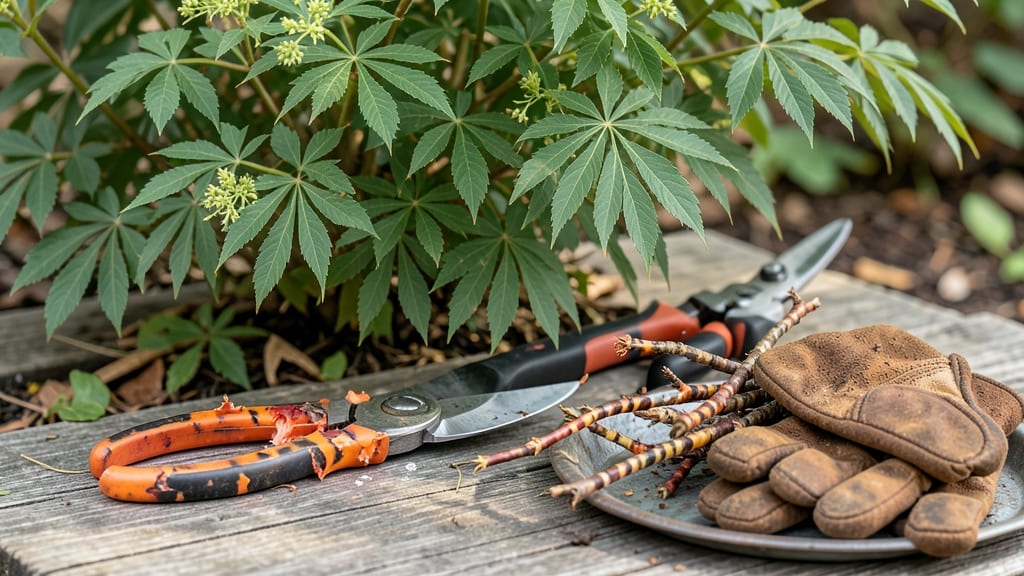
Pruning Tiger Eye sumac isn't just about keeping it tidy—it's about unlocking its stunning variegated foliage and ensuring those bright red berries feed birds all winter. 🌿 I learned the hard way that aggressive cuts in spring can strip away the golden edges that make this shrub so special, but the right approach transforms it from a wild tangle into a showstopper.
The key is timing: light pruning in late winter before new growth starts, followed by shaping cuts after flowering. You’ll need just a few tools—a sharp pair of loppers, gloves, and a clear day to avoid spreading disease.
The goal is to open up the center for airflow while preserving those eye-catching variegated leaves. By summer, you’ll see lush, bushier growth with more of those golden-yellow margins—plus, the berries will be plentiful. The plant rewards patience with vibrant color and structure that lasts all season.
Just avoid cutting back more than a third at once, or you’ll risk losing next year’s foliage drama. Works for both young plants and mature shrubs—just adjust the intensity. Here’s how to do it right without sacrificing that signature Tiger Eye beauty.
📚 In This Guide
- What you need
- Instructions
- Tips and common mistakes
- Wrapping up and next steps
What you need
- ● Pruning shears – Bypass-style (for clean cuts on small branches, 3–5 inches long). Quantity: 1 pair.
- ● Loppers – Long-handled, 8–12 inches (for thicker branches, ½–1 inch in diameter). Quantity: 1 pair.
- ● Pruning saw – Curved blade, 8–10 inches (for branches over 1 inch thick). Quantity: 1.
- ● Gloves – Heavy-duty, cut-resistant (to protect against thorns and sap). Quantity: 1 pair.
- ● Disinfectant – 70% isopropyl alcohol or rubbing alcohol (to sterilize tools between cuts). Quantity: Small bottle.
- ● Trash bags or bucket – For collecting pruned branches. Quantity: 1–2.
- ○ Sharpie or marker – To label branches if needed (optional but handy). Quantity: 1.
- ● Hand pruners with ratcheting mechanism – For easier cutting on stubborn branches.
- ● Extension pole saw – If your sumac is tall or hard to reach.
- ● Garden kneeler or stool – For comfort during ground-level pruning.
- ● Plant growth hormone – To treat cuts and promote faster healing (e.g., Rootone).
- ● Camera or phone – To document before/after pruning for reference.
Instructions for pruning Tiger Eye Sumac like a pro
Here’s how I keep my Tiger Eye Sumac thriving with minimal effort—no fancy tools, just sharp cuts and smart timing.
✂️ Step 1: Prune for Shape in Late Winter or Early Spring
This is the best time to shape your Tiger Eye Sumac because it’s dormant and won’t bleed sap. Grab your pruners and start by removing any dead, crossing, or diseased branches first—they’re the easiest to spot. I like to step back and look at the plant as a whole, then trim to maintain a natural, open shape.
Focus on thinning out the center to let light reach the inner branches. Tiger Eye Sumac grows dense, so you’ll see where branches are competing for space. Cut back about ⅓ of the oldest stems to encourage new growth. The goal is air circulation and sunlight penetration—this prevents fungal issues and keeps the foliage vibrant.
🌿 Step 2: Light Pruning After Flowering to Boost Fruitfulness
Once the bright red flower clusters fade, it’s time for a lighter touch. Remove any spent flowers or seed heads that aren’t producing fruit—this redirects the plant’s energy into new growth. I only trim back about 10-15% of the plant’s total volume at this stage, just enough to keep it tidy without stressing it.
Watch for any leggy or overgrown branches that spoil the plant’s natural form. Cut these back to a strong lateral branch or bud. The key here is subtlety—Tiger Eye Sumac is drought-tolerant but still responds well to gentle pruning. You’ll see new shoots emerge within a few weeks, signaling the plant is happy with the adjustments.
⏰ Step 3: Minimal Maintenance in Summer and Fall
During the growing season, I only prune Tiger Eye Sumac if I notice any dead or diseased branches popping up. Grab your pruners and snip those off immediately—they’re easy to spot because they’re brown or mushy, not green and firm. Summer is also the time to shape any branches that have grown too long or are blocking walkways.
In fall, I do a quick cleanup before the first hard frost. Remove any leaves or branches that have turned brown or yellow—they’re just taking energy the plant could use elsewhere. Avoid heavy pruning now, though. The plant needs to focus on hardening off for winter, not recovering from cuts. A light trim keeps it looking neat without shocking the system.
🌱 Step 4: Winter Pruning for Long-Term Health
If you missed late winter, you can still prune in early winter—but only if the plant looks overgrown or unruly. Focus on removing any branches that are rubbing against each other or growing in odd directions. Cut these back to a healthy bud or lateral branch, and avoid leaving stubs. The goal is to keep the plant’s energy balanced for spring.
This is also a great time to assess the plant’s overall health. Look for any signs of pests or disease, like holes in the leaves or black spots. If you spot anything, treat it immediately—prevention is easier than cleanup later. A quick once-over now ensures your Tiger Eye Sumac wakes up strong in spring, ready for another vibrant season.
Tips & tricks for pruning Tiger Eye Sumac
Real talk: Tiger Eye Sumac thrives when you match its natural growth cycle with strategic cuts. These tricks will keep your plant healthy and vibrant year after year.
Timing is Everything: Late winter or early spring is your golden window for shaping—this is when the plant is dormant and won't bleed sap. If you prune at any other time, you risk stressing the plant. I always check the last frost date in my area and schedule my pruning just before new growth starts. This timing gives the plant maximum recovery time before summer's heat arrives.
The Rule of Thirds: When you're cutting back those oldest stems in Step 1, aim to remove about one-third of the plant's volume. This might sound aggressive, but trust me—it's what encourages that lush, vibrant regrowth. I learned this the hard way after over-pruning and watching my plant struggle to recover. The key is focusing on the oldest, thickest stems first, as these are the ones competing with new growth for nutrients.
Visual Pruning Cues: In Step 2, when you're doing your light pruning after flowering, look for branches that are growing in odd directions or blocking sunlight. These are your targets. I always imagine the plant's natural shape—a rounded, open form—and cut back anything that disrupts that vision. The goal is to maintain that airy, open structure that lets light penetrate to the center, which is crucial for preventing fungal issues.
Seasonal Maintenance Shortcuts: For summer and fall, I keep a small pair of pruners in my gardening toolkit and do quick spot checks. If I notice a brown or mushy branch, I snip it immediately. This preventative approach saves me from dealing with larger issues later. In fall, I do a quick once-over before the first frost, removing only what's absolutely necessary. The plant needs to focus on hardening off, not recovering from heavy cuts.
Pro Tips for Pruning Tiger Eye Sumac
- Real talk: Tiger Eye Sumac thrives when you match its natural growth cycle with strategic cuts.
- Timing is Everything: Late winter or early spring is your golden window for shaping—this is when the plant is dormant and won't bleed sap.
- The Rule of Thirds: When you're cutting back those oldest stems in Step 1, aim to remove about one-third of the plant's volume.
Frequently asked questions
Got questions about pruning Tiger Eye Sumac? You’re not alone! Here are some of the most common concerns—and straightforward answers to keep your plant thriving.
When is the best time to prune Tiger Eye Sumac?
The ideal time is late winter or early spring (before new growth starts) to avoid stressing the plant. However, you can also prune lightly in summer to shape it or remove dead branches. Avoid heavy pruning in fall, as it can limit winter hardiness.
How much can I trim back Tiger Eye Sumac?
You can safely remove up to 1/3 of the plant’s height in a single pruning session. For dramatic shaping, spread it over 2–3 years. Never cut into old, woody stems—focus on younger growth for better regrowth. Pro tip: Use clean, sharp tools to prevent tearing!
What if my sumac isn’t recovering after pruning?
If new growth is sparse or branches die back, check for over-pruning or disease (like powdery mildew). Ensure it’s in full sun and well-drained soil. If needed, fertilize lightly in spring. Patience is key—sumacs are resilient but may take a season to bounce back!
Can I prune Tiger Eye Sumac for fruit production?
Yes! Pruning in late winter encourages more vibrant red berries by improving airflow and sunlight. Remove dead or crossing branches first, then thin out dense areas. Bonus: Pruning also reduces pests that target overcrowded foliage.
Are there alternatives to pruning for managing size?
If pruning feels overwhelming, try selective thinning or container growing (for smaller varieties). For aggressive spreaders, root pruning (trenching around roots) can help control growth. Just remember—sumacs are low-maintenance, so don’t overcomplicate it!
Wrapping up and next steps
Pruning your Tiger Eye Sumac isn’t just about tidying up—it’s your secret to a lush, vibrant plant that thrives year-round! 🌿 By mastering the right techniques (like selective trimming and seasonal timing), you’ll encourage healthy growth, bountiful berries, and that stunning red-orange foliage everyone admires.
Remember, consistency is key, but don’t stress—even small efforts make a big difference.
Ready to transform your landscape? Grab your pruners and start with just one branch this weekend. Before you know it, your Tiger Eye Sumac will be the star of the show—and you’ll be the proud gardener behind it! 🌟