
Pruning
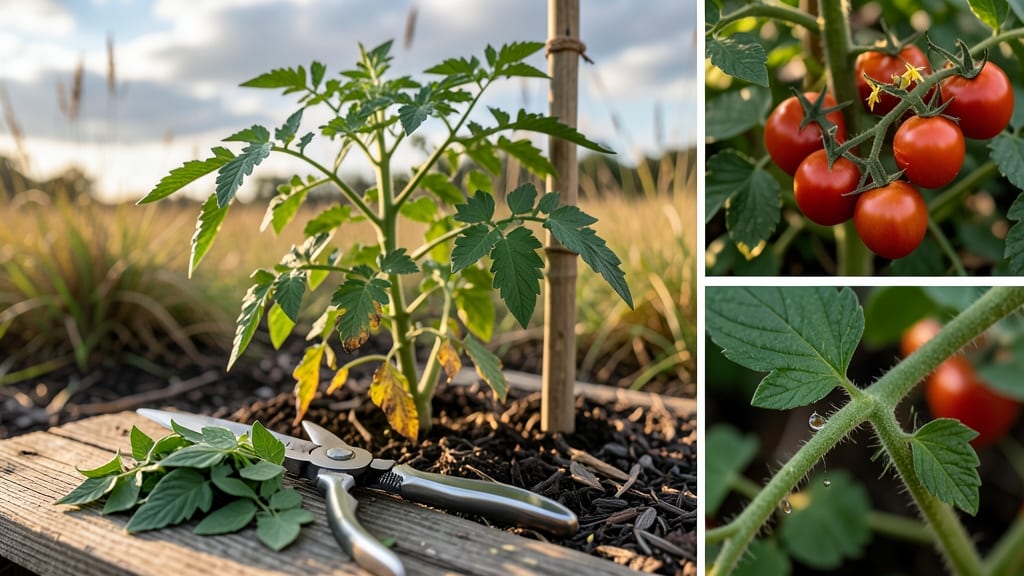
Pruning tomato leaves isn't about hacking away randomly—it's the secret to bigger, sweeter fruits and plants that stay disease-free all season. 🌱 I've gone from struggling with blight-ridden vines to harvesting bushels of tomatoes by mastering just a few strategic cuts.
The difference between a decent harvest and a jaw-dropping one often comes down to what you remove before it even flowers.
Here's the thing—you don't need fancy tools or a green thumb. Grab some clean pruners, a pair of gloves, and maybe a bucket for clippings.
The real magic happens in understanding when to prune (and when to leave leaves alone), because determinate tomatoes need a completely different approach than their sprawling indeterminate cousins. I'll walk you through both, plus the seasonal adjustments that keep your plants productive from spring until frost.
What you'll end up with is plants that breathe easier, fruit that ripens faster, and a garden that looks like a professional grower's—not just a backyard experiment.
The air circulation improves, diseases like early blight have fewer hiding spots, and your plants focus energy on what matters most: those sun-ripened tomatoes you've been dreaming about. It's not about removing leaves willy-nilly; it's about creating the perfect environment for your plants to thrive.
Whether you're dealing with a single plant in a pot or a sprawling vine in the ground, these techniques adapt easily. The key is consistency—just 10 minutes every week can transform your harvest. Let's get those pruners sharp and those tomatoes growing like never before.
📚 In This Guide
- What you need
- Instructions
- Tips and common mistakes
- Wrapping up and next steps
What you need
- ● Pruning shears or secateurs – Choose sharp, sterilized ones (bypass pruners are ideal for clean cuts). Size: 5-7 inches for easy handling.
- ● Garden gloves – Opt for durable, cut-resistant gloves (e.g., nitrile-coated) to protect against thorns and dirt. Quantity: 1 pair.
- ● Disinfectant (rubbing alcohol or bleach solution) – Mix 1 part bleach to 9 parts water to sterilize tools between cuts and prevent disease spread.
- ● Trash bag or compost bin – For disposing of pruned leaves (avoid composting diseased foliage). Size: Medium-sized bag (13-gallon).
- ○ Watering can or hose – To hydrate plants post-pruning and reduce stress. Optional: Add a fungicide if your plants are disease-prone.
- ● Hand pruners (smaller than shears) – For tight spaces or delicate trimming.
- ● Plant tie or twine – To support stems after heavy pruning (especially for indeterminate varieties).
- ● Garden kneeler or stool – For comfort during long pruning sessions.
- ● Notebook & pen – To track pruning dates, plant responses, and growth progress.
- ● Organic mulch (straw or shredded leaves) – To retain moisture and protect soil post-pruning.
Step-by-step instructions for pruning tomato leaves
Here’s how I prune tomatoes to boost fruit size, airflow, and plant vigor—methods I’ve perfected over years of growing.
✂️ Step 1: Remove Diseased or Damaged Leaves Immediately
Start by inspecting your tomato plants for any leaves showing signs of disease, yellowing, or physical damage. Diseased leaves—especially those with brown spots, black mold, or curled edges—should be removed first. Use clean, sharp pruning shears to cut the leaf stem cleanly at the base, avoiding any tears that could invite pests.
I always prune in the morning when the plant is dry, which reduces the risk of spreading fungal spores. If you spot early signs of blight or mildew, remove the affected leaves immediately and dispose of them in the trash—not the compost—to prevent reinfection.
☀️ Step 2: Prune Lower Leaves to Improve Airflow and Sunlight
Once your plant is established, focus on the lower leaves. Remove any leaves that touch the soil or hang below the first flower cluster. These leaves create a damp, shaded environment that encourages rot and pests. Use your fingers to gently pinch off smaller leaves or your shears for larger ones, cutting just above a leaf node or small stem.
This step is critical for container-grown tomatoes or plants in crowded gardens. I aim to keep the lower stem bare for about 12 inches—this ensures sunlight reaches the fruit and reduces humidity around the base where diseases thrive.
🌿 Step 3: Thin Suckers for Stronger Growth
Suckers are the small shoots that grow in the V-shaped junction between the main stem and a branch. These energy vampires divert nutrients from your fruit. To remove them, gently twist or cut them off at the base, being careful not to damage the main stem. I do this every 1-2 weeks during the growing season to keep the plant focused on producing larger, healthier tomatoes.
Leave the top two leaves above a fruit cluster intact—they provide energy for ripening. If you see a sucker growing near a cluster, remove it immediately. Over time, you’ll notice fewer but larger tomatoes with fewer blemishes.
⏰ Step 4: Prune for Balance in Late Season
As your tomatoes near maturity, shift focus to late-season pruning. Remove any leaves shading the fruit clusters, especially on the lower half of the plant. This improves airflow and helps prevent sunscald on green tomatoes. I also trim any overly vigorous side shoots that aren’t producing fruit, redirecting the plant’s energy toward ripening what’s already there.
In cooler climates, stop pruning 4-6 weeks before the first frost to allow the plant to harden off. If you’re growing in containers, reduce pruning entirely once fruit sets to maximize yield before harvest.
Tips & tricks for pruning tomato leaves
Here's what nobody tells you about pruning—these tricks make all the difference for your tomato harvest.
Timing is Everything: I've found that morning pruning between 7-9 AM gives your plants the whole day to recover and photosynthesize. Avoid pruning in the afternoon heat, which can stress the plant. If you must prune later, do it in the shade to prevent sunburn on exposed stems.
The Pruning Shears Secret: Use clean, sharp pruning shears for every cut—dull blades crush stems and invite disease. I sterilize my shears with rubbing alcohol between plants to prevent cross-contamination. For small leaves, your fingers work perfectly, but never use scissors or dull tools that can damage the plant.
Sucker Identification: Suckers grow in that classic V-shaped junction between the main stem and branches. They're easy to miss if you're not looking closely—take a minute to inspect each junction during your 1-2 week pruning sessions. Removing them consistently prevents your plant from wasting energy on non-fruit growth.
Late-Season Strategy: In cooler climates, I stop all pruning 4-6 weeks before frost to let the plant harden off naturally. For container growers, reduce pruning once fruit sets to maximize yield. The key is balancing airflow (to prevent disease) with energy conservation (to ripen existing fruit).
Pro Tips for Pruning Tomato Leaves
- Here's what nobody tells you about pruning—these tricks make all the difference for your tomato harvest.
- Timing is Everything: I've found that morning pruning between 7-9 AM gives your plants the whole day to recover and photosynthesize.
- The Pruning Shears Secret: Use clean, sharp pruning shears for every cut—dull blades crush stems and invite disease.
Frequently asked questions
Got questions about pruning tomato leaves?
You’re not alone! Here are some of the most common concerns—plus straightforward answers to help you prune like a pro.
When is the best time to prune tomato leaves?
Prune indeterminate tomatoes (like Roma or Beefsteak) throughout the growing season—start when plants are 12–18 inches tall, then trim regularly to remove suckers (shoots in leaf axils). For determinate varieties (like Bush Early Girl), minimal pruning is needed; focus on removing diseased or crowded leaves. Pro tip: Avoid heavy pruning too late in the season—it can stress plants before harvest!
Do I really need to prune tomato leaves if my plants look healthy?
Yes! Pruning improves air circulation (reducing disease risk like blight), directs energy to fruit production, and prevents overcrowding. Even healthy plants benefit—just trim only what’s necessary: suckers, yellow/diseased leaves, and lower foliage touching soil. Think of it as a spa day for your tomatoes!
What’s the difference between pruning suckers and pruning leaves?
| Suckers | Leaves |
|---|---|
| Small shoots growing in the axil (where stem meets leaf). Remove these to focus plant energy on fruit. | Prune lower leaves touching soil (prevents rot) or diseased/yellow leaves (stops spread). |
| Use sterilized scissors to snip suckers cleanly, leaving a small stub. | Trim leaves 1–2 inches above the stem to avoid tearing. |
What if I prune too much? Will my tomatoes suffer?
Over-pruning can stress plants, leading to fewer fruits or stunted growth. Rule of thumb: Never remove more than 1/3 of the plant’s foliage at once. If you’ve already pruned aggressively, pause and let the plant recover before resuming. Watch for signs like wilting or yellowing leaves—these may signal overdoing it.
Are there alternatives to pruning if I’m too busy?
If pruning feels overwhelming, try these low-maintenance swaps:
- Space plants properly (18–24 inches apart for indeterminates) to reduce overcrowding.
- Use drip irrigation (instead of overhead watering) to keep leaves dry and minimize fungal issues.
- Grow determinate varieties, which need minimal pruning and produce fruit all at once.
Bonus: Mulch heavily to protect lower leaves from soil-borne diseases.
Wrapping up and next steps
Pruning your tomato plants isn’t just a seasonal chore—it’s a year-round game-changer for bigger, healthier harvests! 🌱 Whether you’re trimming suckers, removing yellow leaves, or shaping for airflow, every snip brings your plants one step closer to peak performance.
Now that you’ve got the tools, timing, and techniques down, there’s only one thing left to do:
🌟 Your Next Step: Get Pruning!
Grab those shears, step into your garden, and watch your tomatoes thrive. Start small—even just 10 minutes of pruning today can make a difference. And remember: every expert gardener began with their first cut. Happy pruning, and may your harvest be abundant and delicious! 🍅✨