
Pruning
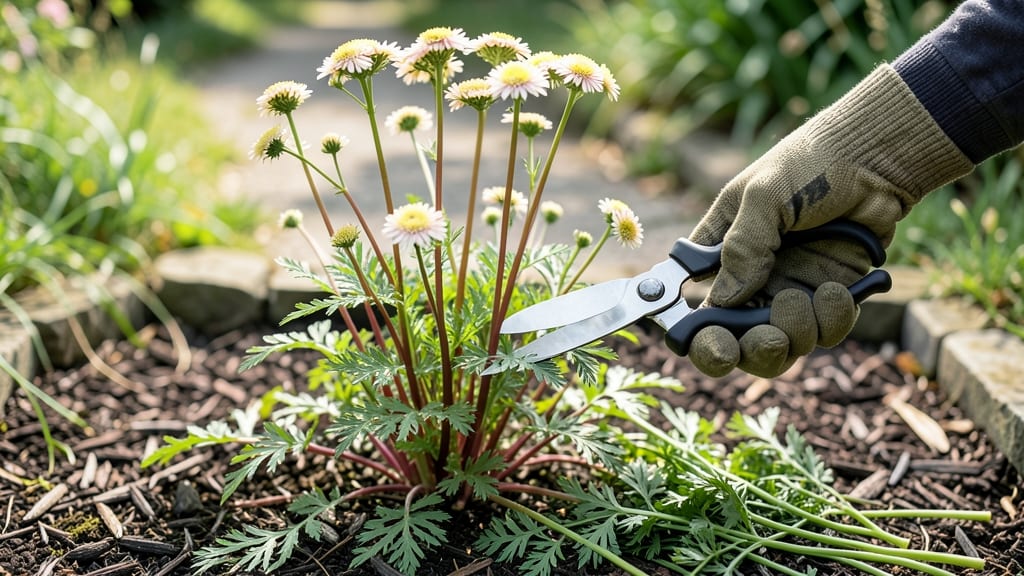
Pruning yarrow plants transforms them from scraggly survivors to bushier, bloom-heavy powerhouses—and it’s easier than you think. 🌿 I’ve learned the hard way that skipping this step means fewer flowers and more seed spread, but with the right timing and cuts, your yarrow will reward you with vibrant blooms all season long.
The best time to prune is right after the first flush of flowers fades—usually in early to mid-summer. Grab sharp pruners or shears and cut back one-third of the stems to encourage new growth.
For winter prep, trim back to 4-6 inches tall, leaving the stems upright for a rustic look or cutting them down for a cleaner bed.
You’ll notice thicker foliage and more blooms within weeks, plus fewer unwanted seedlings popping up everywhere. The key is consistency—prune regularly, and your yarrow will stay compact, healthy, and full of those cheerful yellow, pink, or white flowers.
Works for both garden borders and containers, and the same rules apply whether you’re dealing with Achillea millefolium or its fancier cultivars. Ready to give your yarrow the TLC it deserves?
📚 In This Guide
- What you need
- Instructions
- Tips and common mistakes
- Wrapping up and next steps
What you need
- ● Sharp pruning shears or bypass pruners – Choose a pair with bypass blades (not anvil-style) to avoid crushing stems. 🔪
- ● Garden gloves – Wear thick, cut-resistant gloves to protect your hands from thorns and rough stems. 🧤
- ● Disinfectant (rubbing alcohol or 10% bleach solution) – Clean tools before and after use to prevent disease spread. 🧴
- ○ Garden twine or plant ties (optional but helpful) – For securing stems if you’re training yarrow for specific shapes. 🪢
- ● Compost bin or mulch – To dispose of pruned material or repurpose it as nutrient-rich compost. ♻️
- ● Watering can or hose with a gentle spray nozzle – For hydrating plants after pruning to reduce stress. 💦
- ● Hand pruners or loppers – For thicker stems (over ½ inch in diameter). ⚒️
- ● Knee pads or a small stool – For comfort if you’re working close to the ground. 🪑
- ● Plant markers or labels – If you’re pruning multiple varieties to keep track. 📝
- ○ Hose-end sprayer with fungicide (optional) – For treating cuts if your yarrow shows signs of disease. 🌿
How to prune yarrow for year-round fullness and flowers
Here’s my go-to method for keeping yarrow lush, blooming, and compact—no guesswork involved.
✂️ Step 1: Deadhead Spent Blooms in Late Spring
Wait until 50% of the flower heads have faded but haven’t turned brown yet. This is your cue—they’re done producing seeds but still hold enough structure to guide your cuts. Use sharp, clean pruners to snip just above the first set of healthy leaves below the bloom. I always make cuts at a 45-degree angle to prevent water from pooling on the stem.
Don’t trim too close to the base—yarrow’s woody stems regenerate best when left with a few inches of growth. You’ll see new side shoots emerge within 2-3 weeks from those pruned stems. This first cut encourages the plant to put energy into bushier growth rather than seed production.
🌿 Step 2: Lightly Trim Leggy Growth in Early Summer
By mid-summer, yarrow often grows leggy if it’s getting too much sun or not enough water. Look for stems that are stretching more than 12 inches tall without new leaves or buds. These are your targets—cut them back by one-third to encourage branching. I like to do this on a cloudy day because the plant handles stress better when it’s not wilting in direct sun.
Use your fingers to pinch off any weak, spindly growth at the base—no need for pruners here. This method forces the plant to redirect energy to stronger, thicker stems. You’ll notice the plant fills out more densely within 4-6 weeks, especially if you’re consistent with watering during dry spells.
⏰ Step 3: Renew Growth in Early Fall
Once temperatures drop below 60°F at night and the first frost threatens, it’s time for your final prune of the year. Cut back one-third of the oldest stems—these are the woody, brown ones that won’t regrow well in spring. Leave the younger, green stems alone; they’ll provide winter interest and emerge stronger in spring.
Rake up and compost any fallen leaves or debris around the base—this prevents fungal issues and keeps the crown dry. I always leave a 2-inch stubble on the remaining stems to protect the plant from cold winds. This fall prune ensures your yarrow wakes up bushier and more vigorous next season.
☀️ Step 4: Shape and Maintain Through Winter
During winter dormancy, give your yarrow a quick shape-up if it’s looking ragged. Remove any dead or broken stems completely, cutting them back to the base. This is also the time to thin out overly crowded growth—aim for 3-4 inches of space between stems to improve air circulation and prevent disease.
If you’re in a mild climate where yarrow stays green year-round, a light trim in late winter (just before new growth appears) keeps it tidy. Watch for new shoots emerging from the base—this is your signal that spring is coming, and you can hold off on pruning until late spring.
Tips & tricks for pruning yarrow plants
Here’s what nobody tells you about keeping your yarrow thriving all year—these tricks make the difference between a scraggly plant and a lush, blooming beauty.
Timing Secret: In Step 1, don’t wait until the flower heads are completely brown to deadhead. The perfect moment is when they’ve faded to about 50% of their original color but still hold their shape. This timing ensures you’re cutting at the right point to stimulate new growth while preventing seed production that drains the plant. I’ve seen yarrow that was pruned too late produce so many seeds it never rebloomed!
Tool Technique: For Step 2, I recommend using clean, sharp pruners—not dull ones that crush stems. If you’re pinching off leggy growth, use your fingers to avoid damaging the main stems. The goal is to encourage branching, not create wounds that invite pests. After pruning, I always wipe my tools with rubbing alcohol to prevent spreading disease between plants.
Seasonal Strategy: When you reach Step 3 in early fall, focus on removing only the oldest, woody stems—those are the ones that won’t regrow well. The younger green stems you leave behind will provide winter interest and emerge stronger in spring. I’ve found that leaving a 2-inch stubble on remaining stems actually protects the plant better than cutting too short, which can expose the crown to cold winds.
Climate Consideration: If you’re in a mild winter climate where yarrow stays green year-round, that late winter trim in Step 4 is your secret weapon. Look for new shoots emerging from the base—this is your cue that spring is coming. I’ve seen yarrow in Zone 8 that blooms continuously if given this light maintenance, creating a stunning year-round display with minimal effort.
Pro Tips for Pruning Yarrow Plants
- Here’s what nobody tells you about keeping your yarrow thriving all year—these tricks make the difference between a s...
- Timing Secret: In Step 1, don’t wait until the flower heads are completely brown to deadhead. The perfect moment is w...
- Tool Technique: For Step 2, I recommend using clean, sharp pruners—not dull ones that crush stems. If you’re pinching...
Frequently asked questions
Got questions about keeping your yarrow plants in tip-top shape? You’re not alone! Here are some of the most common concerns—plus straightforward answers to help you prune like a pro.
When is the best time to prune yarrow for maximum blooms?
Prune yarrow twice: first in early spring (just as new growth starts) to remove dead stems, and again in late summer (after the first flush of blooms) to encourage a second round of flowers. Avoid heavy pruning in fall—yarrow’s woody stems need winter to harden off.
Should I cut yarrow back to the ground, or leave some stems?
Never cut yarrow all the way to the ground—this can kill the plant! Instead, trim back 1/3 of the plant’s height (about 4–6 inches above the base) in spring. In late summer, snip spent blooms down to fresh foliage to redirect energy to new growth. Think of it like a haircut: shape, not shave!
What if my yarrow looks leggy or sparse after pruning?
Leggy yarrow usually means it’s overdue for pruning or lacks sunlight. Try this: Shear lightly (not harshly) every 4–6 weeks during the growing season to encourage bushiness. Also, ensure it gets 6+ hours of sun daily—yarrow wilts without it! Overcrowded plants? Thin them out by dividing clumps every 2–3 years.
Can I use yarrow prunings in my garden or compost?
Yarrow’s prunings are compost gold—they break down quickly and add nutrients. For mulch, lay clippings around the base (but avoid piling them thickly to prevent rot). Pro tip: Dry the flowers for homemade herbal teas or potpourri! Just skip prunings treated with pesticides.
What do I do if my yarrow doesn’t bloom after pruning?
No blooms? Check these fixes:
- Light: Yarrow needs full sun—move it if shaded.
- Water: Too much moisture = floppy stems. Water only when soil is dry 1–2 inches down.
- Fertilizer: Yarrow is low-maintenance—skip high-nitrogen feeds (they promote leafy growth over flowers). A light layer of compost in spring is enough.
- Age: Young plants (under 2 years) may not bloom heavily. Be patient!
Wrapping up and next steps
Pruning yarrow isn’t just about maintenance—it’s your secret weapon for vibrant blooms and lush foliage year-round! 🌿 With the right timing, tools, and techniques, you’ll transform your yarrow into a thriving, bushier plant that keeps giving.
Whether you’re a seasoned gardener or just starting out, every snip brings you closer to a garden that pops with color and life.
Ready to take your yarrow to the next level? Grab your pruners, mark your calendar for the next pruning session, and watch your garden flourish! 🌸✨