
Pruning
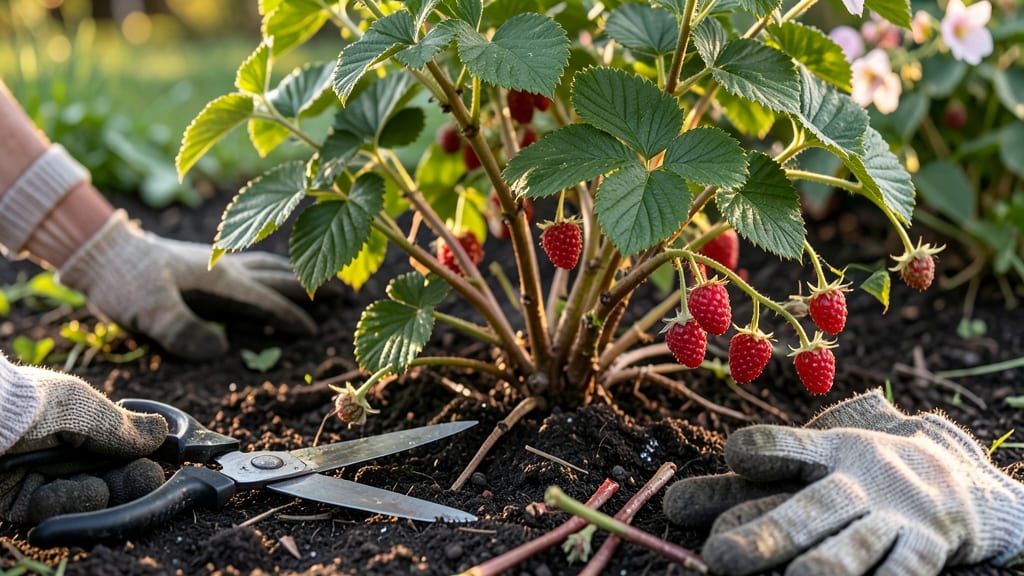
Raspberry plant care pruning transforms a tangled mess into a bushier, fruit-packed powerhouse—if you do it right. 🌿 I’ve spent years watching my raspberries go from scraggly to productive just by following a few key cuts, and the difference in harvests is night-and-day. The secret isn’t complicated: it’s about timing, tools, and knowing which canes to keep (and which to toss). Most gardeners prune only in winter, but year-round maintenance—like removing dead wood after harvest and thinning crowded stems—keeps plants healthy and boosts next year’s crop. You’ll need just a few basic tools: sharp pruners, gloves, and maybe a saw for thicker canes. The process takes less than 30 minutes once you get the hang of it, and the payoff? More berries, easier picking, and plants that last for decades. By summer, you’ll spot the telltale signs of a well-pruned bush: straight, sturdy canes with vibrant green leaves, not the tangled, leggy growth that struggles to fruit. The key is cutting back old canes after they’ve fruited and shaping new ones to stand tall. It’s not just about trimming—it’s about teaching your plant to grow the way you want. This works for both summer-bearing and fall-bearing varieties, and even small-space gardeners can adapt the techniques. Let’s get those canes in shape for a bigger, better harvest next season.
📚 In This Guide
- What you need
- Instructions
- Tips and common mistakes
- Wrapping up and next steps
What you need
- ● Pruning shears (secateurs): 1 pair, bypass-style (sharp, clean cuts without crushing stems)
- ○ Optional: Disinfectant spray (70% isopropyl alcohol) to sterilize between cuts and prevent disease.
- ● Garden gloves: 1 pair, cut-resistant (to protect hands from thorns and debris)
- ● Garden twine or plant ties: 1 roll (for supporting canes if needed)
- ● Garden hose or watering can: 1 (for post-pruning hydration)
- ● Garden pruners (loppers): 1 pair (for thicker canes, if applicable)
- ● Rake or hoe: 1 (to clear dead foliage and weeds around the base)
- ● Trash bags or compost bin: 1-2 bags (for removing pruned canes and debris)
- ● Hand pruners (felco): For precision trimming of smaller branches.
- ● Knee pads: Because pruning raspberries is a full-body workout!
- ● Plant food or compost: A quick nutrient boost for your raspberry bushes post-pruning.
- ● Labeling tags: If you’re pruning multiple varieties, keep track of what’s what!
- ● Safety glasses: For those with sensitive eyes (thorns can be sneaky!).
Step-by-Step guide to pruning raspberries for maximum yield
Here's the method I swear by to keep raspberries thriving—whether you're a first-timer or a seasoned grower.
✂️ Step 1: Identify and Remove Last Year's Fruit Canes
Raspberries produce fruit on floricanes—last year's canes that turn brown after fruiting. These are the first to go. In late winter or early spring, before new growth begins, cut these dead canes to the ground at the soil line. I like to bundle them together and toss them in the compost pile, but only if your area is disease-free.
Here's the thing—if you leave even one floricane standing, it'll compete with new growth for nutrients. You'll know you've got it right when your patch looks like a clean, bare frame waiting for spring's new shoots. The key is timing: do this pruning when the ground is still frozen or very early in the season, before buds swell.
🌱 Step 2: Prune Primocanes for Airflow and Shape
Now focus on the primocanes—this year's green canes that will fruit next season. In their first year, these canes grow aggressively and need thinning. Keep the strongest 6-8 canes per plant, spaced evenly around the center. Cut the rest to the ground. You're shaping the plant for next year's harvest, so think of it like training a young athlete.
Watch for canes growing inward—they'll block sunlight and airflow, inviting disease. Remove these immediately. I also cut back any primocanes that are leaning or crossing others. This ensures your plant develops a strong, open structure. After pruning, your plant should look like a well-balanced bush with room for new growth to spread outward.
☀️ Step 3: Summer Maintenance for Ongoing Health
During the growing season, keep an eye out for suckers—those thin, fast-growing shoots that pop up at the base of the plant. These are energy vampires, draining nutrients from your main canes. Snip them off at the base as soon as you spot them. This might seem tedious, but it pays off in bigger, sweeter berries.
Also, remove any canes that show signs of disease or pests—don't wait for them to spread. I like to do a quick once-over every 2-3 weeks during the growing season. Healthy canes should be vibrant green, sturdy, and free of spots or wilting. If you see yellowing leaves or distorted growth, act fast—raspberries can go from looking fine to completely stressed in a week.
⏰ Step 4: Fall Cleanup for Winter Preparation
In late fall, after the first hard frost, give your raspberries one last trim. Cut back any remaining primocanes that haven't been winter-killed—these won't fruit well next year anyway. Also, rake up and dispose of any fallen leaves or debris, which can harbor pests and diseases over winter. I use a stiff broom to clear the area thoroughly.
This is also the time to add a 2-3 inch layer of mulch around the base of your plants (if you have it available). It insulates the roots and keeps them from freezing. Avoid piling mulch against the stems—keep it at least 2 inches away to prevent rot. Your goal is to protect the plant while still allowing water to reach the roots when spring arrives.
🌿 Step 5: Post-Harvest Pruning for Next Year's Crop
After your main harvest in late summer, give your raspberries a light pruning to encourage a second flush of fruit. Cut back any canes that have already fruited, as they won't produce again. Also, trim any primocanes that are growing too long or leggy—they'll be weaker and less productive next year. This is a gentle pruning, just enough to tidy up and redirect the plant's energy.
You'll know you're on the right track if your plant looks tidy but still has plenty of room for new growth. The idea is to balance productivity with plant health. Over-pruning now can weaken the plant before winter, so be judicious. If you're unsure, err on the side of leaving a few extra canes—they can always be trimmed back later if needed.
Tips & tricks for perfect raspberry plant pruning
These game-changing tricks will transform your raspberry patch from struggling to spectacular—no green thumb required.
Timing is Everything: That late winter/early spring window for Step 1 is critical. I've learned the hard way that pruning too early (when buds are still dormant) or too late (when new growth starts) throws off the entire season. Aim for when daytime temperatures consistently stay above freezing but before you see any green shoots. This gives your plant the best chance to put all its energy into strong new growth. If you're unsure, check for bud swell—if you see any, you've waited too long.
The 6-8 Rule for Primocanes: In Step 2, keeping exactly 6-8 primocanes might seem arbitrary, but there's real science behind it. Each cane needs about 12-18 inches of space to develop properly. If you leave too many, they'll compete for sunlight and nutrients, resulting in smaller berries. If you cut too aggressively, you limit next year's harvest. I mark my strongest canes with colored flags during the growing season so I remember which ones to keep when it's time to prune again.
Summer Maintenance Secret: The 2-3 week check-ins in Step 3 are where most people drop the ball. I set a calendar reminder for every 14 days during growing season because those suckers and diseased canes spread faster than you think. Pro tip: Use clean, sharp pruners and dip them in rubbing alcohol between cuts to prevent spreading any potential infections. Also, always prune in the morning when the plants are dry—wet canes can harbor fungal spores.
Mulch Placement Matters: When adding that 2-3 inch layer of mulch in Step 4, resist the urge to pile it against the stems. The 2-inch clearance isn't just arbitrary—it's crucial for preventing crown rot. I use straw or shredded leaves because they break down slowly, adding organic matter to the soil while protecting roots. If you're using wood chips, make sure they're untreated and not too fresh—fresh wood can draw nitrogen from the soil, stressing your plants.
Pro Tips for Raspberry Plant Care Pruning
- These game-changing tricks will transform your raspberry patch from struggling to spectacular—no green thumb required.
- Timing is Everything: That late winter/early spring window for Step 1 is critical.
- The 6-8 Rule for Primocanes: In Step 2, keeping exactly 6-8 primocanes might seem arbitrary, but there's real science behind it.
Frequently asked questions
Got questions about pruning raspberries like a pro?
You’re not alone! Whether you're a first-time gardener or a seasoned berry grower, these common queries will help you keep your raspberry plants thriving—and your harvests bountiful.
When is the best time to prune raspberry plants?
Timing depends on your raspberry type! For summer-bearing varieties, prune immediately after harvest (late summer) to remove old canes. For fall-bearing (everbearing) types, prune in late winter or early spring before new growth starts. Always avoid pruning in fall if frost is expected—wait until dormancy!
How do I tell the difference between old and new raspberry canes?
Easy! Old canes are wooden, brown, and hollow (they produced berries last year). New canes are green, flexible, and solid (they’ll fruit next season). Summer-bearing varieties only fruit on 2nd-year canes, so remove the old ones to make room for fresh growth.
What should I do if I accidentally prune my raspberries at the wrong time?
Don’t panic! If you prune fall-bearing raspberries too early (before dormancy), they may produce a smaller fall crop but will still recover. For summer-bearing types, late pruning can delay fruiting, but the plant will adjust. Just focus on removing diseased or dead canes and prune correctly next season.
Can I prune raspberries in containers or small spaces?
Container-grown raspberries need more frequent pruning to control size. Use floricane varieties (like ‘Heritage’) for smaller spaces. Prune aggressively in early spring to encourage bushier growth and improve airflow. Just ensure your container has drainage holes and room for canes to spread.
How often should I prune raspberry plants?
Prune once a year for summer-bearing types (post-harvest) and twice a year for fall-bearing types (late winter and post-fall harvest). Light maintenance pruning (removing dead/diseased canes) can happen anytime. Avoid over-pruning—leave at least 6–8 healthy canes per plant for optimal fruiting.
Pro tip: Label your canes with flags if you’re new to pruning! Write “2024” on new canes and “2023” on old ones to track growth cycles effortlessly.
Wrapping up and next steps
Mastering raspberry plant care and pruning is your golden ticket to lush, productive bushes and bountiful harvests! 🌱 By following seasonal techniques—removing dead canes, thinning crowded stems, and shaping for airflow—you’ll encourage healthier growth and bigger berries. Start small, stay consistent, and watch your garden thrive.
Ready to level up your green thumb? Grab your pruners and schedule your first pruning session this week! Your future raspberry feasts will thank you. 🍓✨