
Pruning
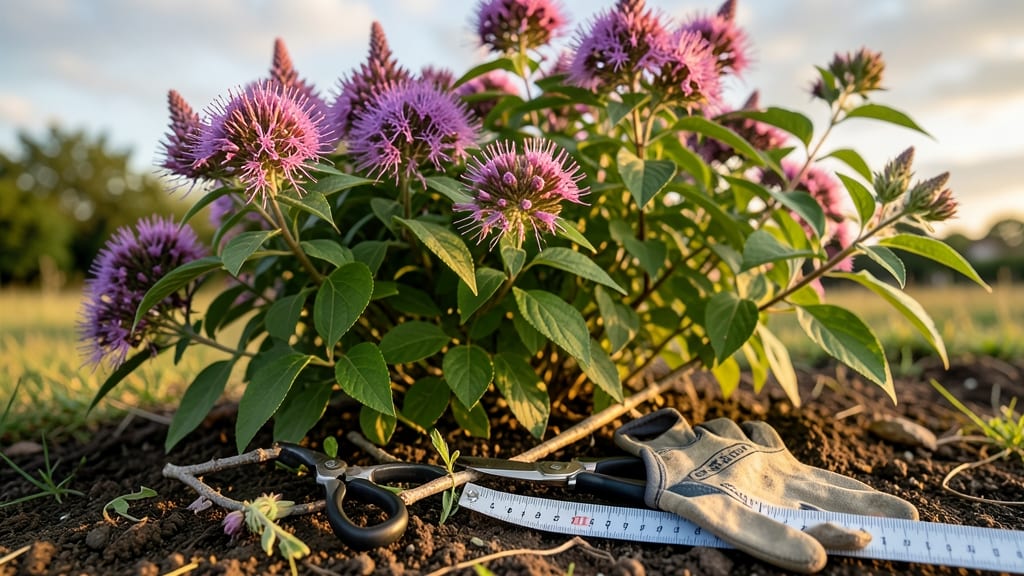
Should a butterfly bush be pruned? It isn’t just about cutting back—it’s the secret to year-round blooms that keep your garden buzzing with pollinators. 🌿 I’ve learned the hard way that timing is everything: prune too early, and you lose spring flowers; too late, and you risk stunted growth. The right approach turns a wild, leggy shrub into a lush, flowering powerhouse that blooms from early summer through fall—and sometimes even winter in mild climates.
Here’s the trick: late winter or early spring, right before new growth starts. Grab your pruners and gloves, then cut back one-third of the oldest stems to the ground while leaving the rest intact.
This encourages fresh, vigorous growth from the base, which means more flowers and a fuller shape. Most people overdo it—don’t fall into that trap! Butterfly bushes are tough and bounce back, but aggressive pruning can stress them out.
What you’ll end up with is a bush that’s denser, healthier, and covered in blooms for months. The flowers attract butterflies, bees, and hummingbirds, turning your yard into a pollinator paradise.
Plus, the new growth is more resistant to pests and diseases, so you’ll spend less time fighting back and more time enjoying the show.
Works for both new and established butterfly bushes, and the same principles apply whether you’re pruning a single plant or a whole hedge. Ready to transform your shrub? Here’s how to do it right the first time.
📚 In This Guide
- What you need
- Instructions
- Tips and common mistakes
- Wrapping up and next steps
What you need
- ● Pruning shears or bypass pruners – Sharp, clean, and sterilized (choose bypass over anvil pruners for clean cuts). Quantity: 1 pair.
- ● Loppers – For thicker stems (½" to 1.5" diameter). Quantity: 1 pair.
- ● Hand pruners (felco or similar) – For smaller branches. Quantity: 1 pair.
- ● Gloves – Heavy-duty, garden-grade to protect against thorns and sap. Quantity: 1 pair.
- ● Disinfectant (rubbing alcohol or 10% bleach solution) – To sterilize tools between cuts and prevent disease spread.
- ● Rake or broom – For clearing debris after pruning.
- ○ Garden twine or burlap – Optional but helpful for tying up large branches if needed.
- ● Pruning saw – For very thick stems (1.5" or larger).
- ● Plant food or compost – To nourish the bush post-pruning.
- ● Mulch – To protect the base after cutting.
- ● Safety glasses – If working with large, thorny branches.
- ● Notebook & pen – To sketch a pruning plan if your bush is complex.
Step-by-Step instructions for pruning butterfly bushes
Here's the method I've used to keep my butterfly bushes blooming like crazy—no more sparse stems or missed seasons.
✂️ Step 1: Prune Immediately After First Frost
Butterfly bushes thrive when pruned to the ground in late fall or early winter, right after the first hard frost kills the foliage. This is the one time you want to cut back to the base—it stimulates fresh, vigorous growth in spring. Grab your loppers and make clean cuts just above the soil line, removing all dead stems. I always wear gloves because the stems can be sharp and the sap sticky.
The reason for this aggressive pruning is simple: these bushes flower on new wood. Cutting them back hard in winter ensures you'll get a flush of fresh growth that produces abundant blooms by summer. If you skip this step, you'll end up with leggy stems and fewer flowers. I've seen gardeners hesitate because it looks drastic, but trust me—they bounce back faster than you'd think.
☀️ Step 2: Light Pruning in Late Winter for Air Circulation
About 4-6 weeks before your last frost date, do a second pruning to shape the bush and improve airflow. Remove any crossing branches or stems growing inward—they create dense areas where diseases like powdery mildew love to hide. Cut these back to the main stem or remove them entirely. I like to step back and visualize the plant as a rounded dome, which is the natural shape these bushes grow into.
This is also when you should trim back any overly long stems to maintain that rounded form. You're not removing much—just enough to encourage a bushier, fuller plant. The goal is to have 3-4 main stems with multiple branches radiating outward. If you see any dead or weak stems from last year, snip those off completely. The bush will thank you with stronger growth and more blooms.
🌿 Step 3: Deadhead Regularly During Blooming Season
Once your butterfly bush starts flowering—usually in mid to late summer—switch to a maintenance routine of deadheading. Pinch off spent blooms just above the next set of leaves or buds. This encourages the plant to produce more flowers instead of focusing on seed development. I do this every 2-3 weeks throughout the blooming season, which can last from June until frost in many climates.
Here's the trick: if you see flower buds forming on last year's growth (old wood), leave those alone. Only remove blooms that have already faded. The old wood flowers typically appear first, followed by the new wood blooms. By deadheading the spent flowers, you're telling the plant to redirect its energy into producing more new blooms rather than setting seed.
⏰ Step 4: Minimal Fall Pruning for Winter Prep
In late fall, after the first flush of flowers has faded but before the hard frost, do a light cleanup. Remove any stems that look diseased, damaged, or crossing. You're not doing heavy pruning now—just tidying up to make next year's growth easier. This is also the time to trim back any overly long or leggy growth that's spoiling the shape. I never cut more than 1/3 of the plant's height in fall, and I always use sharp, clean pruners to avoid tearing the bark.
The key here is to avoid heavy pruning in fall, which can stimulate new growth that won't harden off before winter. You want the plant to enter dormancy with clean, healthy stems ready to burst into growth next spring. If you live in a mild climate where butterfly bushes bloom year-round, you can deadhead lightly throughout winter, but in colder regions, a complete rest is best.
Tips & tricks for pruning butterfly bushes
Took me years to figure out these tricks—now my butterfly bushes bloom like crazy every season. These small adjustments make all the difference between sparse stems and a lush, vibrant plant.
Timing is Everything: The winter prune (Step 1) is non-negotiable—waiting until spring means you miss the entire growing season's potential. I've seen gardeners skip this because it looks drastic, but that hard cut to the ground is what triggers the bush's spring growth spurt. Mark your calendar for the first hard frost and set a reminder—this one step alone transforms your plant's performance. The 4-6 week window before last frost (Step 2) is equally critical; pruning too early can expose tender growth to late frosts, while waiting too long means you're shaping last year's growth instead of encouraging new wood.
Visual Cues for Perfect Pruning: When shaping in late winter (Step 2), step back frequently to visualize your goal—a rounded dome shape. Use your loppers to create a "skeleton" with 3-4 main stems radiating outward. Look for stems that cross or grow inward; these create dense areas that trap moisture and encourage disease. I like to think of it like sculpting—you're shaping the plant's natural form, not just hacking away randomly. The goal is to see light and air circulating through the center, which prevents those dreaded powdery mildew spots.
Deadheading Strategy: The 2-3 week deadheading schedule (Step 3) might seem frequent, but it's what keeps your bush flowering continuously. Focus on removing only fully spent blooms—those that have turned brown and dried completely. Leave the green buds alone, especially if they're on last year's wood. I've noticed that when I get lazy and skip a month, the next flush of blooms is noticeably smaller. Think of it like giving your plant a haircut—regular maintenance keeps it looking its best and performing at its peak.
Tool Maintenance: Your pruners are just as important as your timing. I clean and sharpen my loppers after every pruning session—dull blades tear stems instead of making clean cuts, which can damage the plant and invite infections. Store them in a dry place and apply a light oil to the blades to prevent rust. A well-maintained tool makes the job easier and ensures your cuts heal properly, which is especially important for the aggressive winter prune where you're cutting all the way to the base.
Pro Tips for Should A Butterfly Bush Be Pruned
- Took me years to figure out these tricks—now my butterfly bushes bloom like crazy every season.
- Timing is Everything: The winter prune (Step 1) is non-negotiable—waiting until spring means you miss the entire growing season's potential.
- Visual Cues for Perfect Pruning: When shaping in late winter (Step 2), step back frequently to visualize your goal—a rounded dome shape.
Frequently asked questions
Got questions about pruning your Buddleia (butterfly bush)? You’re not alone! Here are some of the most common concerns—and straightforward answers to keep your plant thriving.
When is the absolute best time to prune a butterfly bush?
Prune your butterfly bush late winter or early spring, just as new growth begins. This timing removes dead wood, shapes the plant, and encourages vigorous blooms for the season. Avoid pruning in fall—it can stimulate tender new growth that won’t survive winter frost. Pro tip: If you missed the window, a light trim in early summer is better than nothing!
What if I prune at the wrong time? Will my butterfly bush die?
Not necessarily! While late-season pruning (fall/winter) can stunt blooms, your plant won’t die. It may just produce fewer flowers that year. To recover, focus on removing only dead or diseased branches and avoid heavy cuts. Next spring, prune back to the correct schedule for a full comeback.
How hard can I cut back a butterfly bush? Should I go all the way to the ground?
You can prune Buddleia aggressively—even down to 12–18 inches from the ground—if needed! This rejuvenates older bushes and promotes bushier growth. Just avoid over-pruning in one season; spread cuts over 2–3 years for healthier recovery. Note: Younger plants (under 3 years) only need light shaping.
Will pruning attract more butterflies—or fewer?
Pruning increases butterfly activity! Healthy, well-pruned bushes produce more flowers, which means more nectar for pollinators. Just avoid over-trimming flower buds in late summer—leave some blooms for late-season visitors. A balanced approach = a butterfly buffet!
Are there alternatives to pruning if I hate the idea of cutting it back?
If pruning feels overwhelming, try these low-maintenance tips:
- Deadheading: Snip spent blooms to encourage more flowers.
- Thinning: Remove only the oldest stems (3+ years) to refresh growth.
- Fertilizing: Feed in spring with balanced fertilizer to boost health.
Wrapping up and next steps
Pruning your butterfly bush isn’t just about keeping it tidy—it’s your secret weapon for vibrant, year-round blooms and a healthier plant! 🌸 Whether you’re a seasoned gardener or just starting out, the key is timing (late winter/early spring or right after flowering) and confidence in your cuts.
With the right tools and technique, you’ll transform your bush into a pollinator magnet.
Ready to take action? Grab your pruners, mark your calendar, and give your butterfly bush the TLC it deserves—your garden (and butterflies!) will thank you. 🐛✨