
Pruning
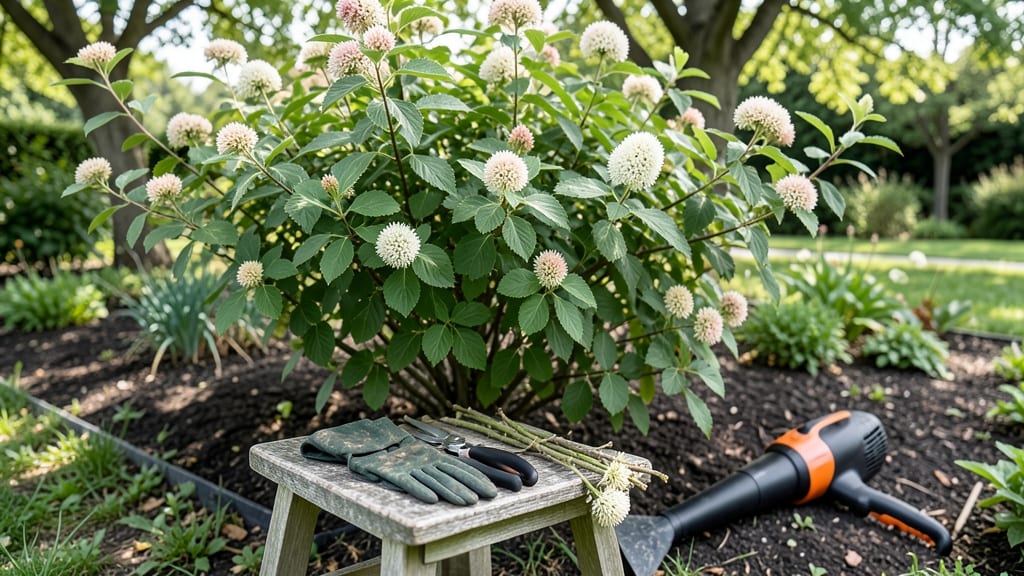
Pruning your snowball shrub (Viburnum opulus) can transform it from a tangled mess into a showstopping cloud of white blooms in just 30 minutes. ✂️ I’ve turned my own overgrown shrub into a lush, rounded masterpiece—no green thumb required.
The key lies in timing, sharp cuts, and knowing exactly where to stop (trust me, you’ll want to overdo it at first). You’ll need clean, sharp pruners, gloves, and a clear day—cloudy weather prevents sap from oozing.
Focus on dead, crossing, or overcrowded branches first, then shape the outer edges into a rounded dome. The goal is to open up the center for sunlight and air, which means more blooms next year.
Most people prune too late or too aggressively, but this method keeps your shrub thriving for decades. By the time you’re done, your shrub will look like it just stepped out of a nursery, with thicker stems and denser foliage than before.
The best part? You’ll start seeing new growth within weeks, and those iconic snowball blooms will be bigger and more abundant than ever. Just remember: never cut more than 1/3 of the shrub at once, or you’ll shock it into dormancy.
This technique works for all snowball shrubs, whether you’re dealing with a 10-year-old giant or a newly planted one. Spring is the ideal time, but if you miss it, late summer after blooming is your second chance. Let’s get those branches looking like a pro’s work!
📚 In This Guide
- What you need
- Instructions
- Tips and common mistakes
- Wrapping up and next steps
What you need
- ● Pruning shears: Sharp, bypass pruners (4-6 inches) for cutting stems up to ½ inch thick.
- ● Loppers: Bypass loppers (8-10 inches) for thicker branches (½–1½ inches).
- ● Pruning saw: A curved-tooth pruning saw for branches over 1½ inches thick.
- ● Gloves: Heavy-duty, cut-resistant gloves (gardening or mechanic-grade) to protect your hands.
- ● Disinfectant: 70% isopropyl alcohol or a pruning sealant (like horticultural spray) to prevent disease spread.
- ● Ladder or step stool: If your shrub is taller than 6 feet, a stable, extendable ladder (3–4 ft) or a sturdy step stool.
- ● Trash bags: 2–3 heavy-duty contractor bags (30–50 gallons) for clippings.
- ● Rake or leaf blower: To clear away debris after pruning.
- ● Notebook & pen: For jotting down pruning notes or a pruning map of your shrub’s structure.
- ● Hand pruners with a ratchet mechanism for easier cutting on thicker stems.
- ● Pole pruner if your shrub is very tall (8+ feet).
- ● Safety glasses to shield eyes from flying debris.
- ● Pruning shears with ergonomic grips for comfort during long sessions.
- ● String or twine to temporarily mark branches for removal.
- ● Knee pads if you’ll be working on the ground for extended periods.
Step-by-step snowball shrub pruning for perfect rounded form
Here's how to transform your snowball shrub from ragged to showstopping in under an hour.
✂️ Step 1: Gather Tools and Assess the Shrub
Start with clean, sharp pruning shears and a sturdy ladder if your shrub exceeds 6 feet tall. I always disinfect my tools with rubbing alcohol first—this prevents spreading disease between cuts. Examine the shrub's overall shape from multiple angles, noting where branches have grown unevenly or crossed.
Look for dead or diseased branches—these will be brittle, discolored, or leafless. Remove these first, cutting back to healthy growth. Healthy wood should be firm with a greenish hue when broken open. Mark these areas with a piece of twine if you need to step away during pruning.
✂️ Step 2: Remove Dead and Crossing Branches
Begin by thinning out 10-15% of the total branches to improve airflow and light penetration. Focus on removing branches that cross or rub against others—these create wounds that invite pests and disease. Cut these branches back to the main stem or a lateral branch, making your cut just above a bud that faces outward from the center of the shrub.
When removing larger branches, never leave stubs. Cut at the branch collar where the branch meets the trunk—this ensures proper healing. If a branch is thicker than your shears can handle, use a pruning saw. Step back frequently to assess your progress; you'll notice the shrub's natural structure become more visible as you work.
✂️ Step 3: Shape the Canopy for Fullness
Now focus on creating that classic rounded form. Start at the outer edges of the shrub and trim back branches that are growing too long or straggly. Cut just above a leaf bud or lateral branch to encourage new growth in the right direction. Aim to reduce the length of branches by no more than 25% in one season—this prevents shock and promotes vigorous regrowth.
For a perfectly round shape, visualize the shrub as a globe. Adjust branches so they radiate outward evenly, filling in any gaps. If you see a bare spot, look for a branch that can be redirected to fill it. Use your shears to angle cuts slightly outward to encourage growth in that direction. Step back every few minutes to check your symmetry.
✂️ Step 4: Refine and Clean Up
Once the basic shape is established, move to finer adjustments. Trim back any branches that are growing inward or downward—these will detract from the shrub's rounded silhouette. Cut just above a bud that faces the direction you want new growth to go. For example, if a branch is growing straight up, cut just above a bud that faces outward and slightly upward.
Remove any small twigs or suckers that have sprouted at the base of the shrub. These compete with the main structure for nutrients. Finish by giving the shrub a final once-over, ensuring all cuts are clean and no branches are left sticking out awkwardly. Collect and dispose of all pruned material to prevent disease spread.
💧 Step 5: Post-Pruning Care and Maintenance
After pruning, water the shrub deeply to help it recover. Apply a balanced, slow-release fertilizer to support new growth, following the package instructions for application rates. Mulch around the base with 2-3 inches of organic mulch, keeping it a few inches away from the trunk to prevent rot.
Monitor the shrub closely in the weeks following pruning. New growth should appear within 4-6 weeks, signaling that the shrub is recovering well. Avoid heavy pruning for at least a year afterward—this allows the shrub to establish its new shape without stress. Regular light pruning throughout the growing season will help maintain its form with minimal effort.
Tips & tricks for perfect snowball shrub pruning
Transforming your snowball shrub into a lush, rounded masterpiece takes more than just a pair of shears—it’s about precision and patience. Here’s how to elevate your pruning game and avoid common pitfalls.
Pruning Tool Precision: Never use dull shears—they tear instead of cleanly cutting, leaving jagged wounds that invite disease. I invest in high-quality bypass pruners and test them on a small branch first to ensure they cut cleanly. For branches thicker than your shears can handle, a pruning saw is essential. Always make cuts at a 45-degree angle just outside the branch collar to promote proper healing.
Visualizing the Rounded Form: Step back every 10-15 minutes during Step 3 to assess symmetry. Hold a string or garden twine between two points on opposite sides of the shrub to create a visual guide for your rounded shape. This helps you spot uneven growth immediately. If you notice a branch growing inward, trim it back to redirect energy outward—this is how you achieve that classic globe shape.
Seasonal Timing Matters: Prune your snowball shrub in late winter or early spring, just as new growth begins. This timing ensures the shrub has enough energy to recover and produce vibrant new foliage. Avoid pruning in fall, as this can stimulate tender new growth that won’t survive winter frosts. If you must prune later in the season, do so lightly to minimize stress on the plant.
Post-Pruning Recovery: After finishing Step 4, give your shrub a deep watering to replenish moisture lost during pruning. Apply a balanced, slow-release fertilizer (as mentioned in Step 5) to support new growth. Mulch with 2-3 inches of organic material, keeping it a few inches away from the trunk to prevent rot. This creates a protective barrier that retains moisture and regulates soil temperature, setting your shrub up for a strong recovery.
Pro Tips for Snowball Shrub Pruning
- Transforming your snowball shrub into a lush, rounded masterpiece takes more than just a pair of shears—it’s about precision and patience.
- Pruning Tool Precision: Never use dull shears—they tear instead of cleanly cutting, leaving jagged wounds that invite disease.
- Visualizing the Rounded Form: Step back every 10-15 minutes during Step 3 to assess symmetry.
Frequently asked questions
Got questions about keeping your snowball shrub looking its best? Here are some of the most common ones—and their answers!
When is the best time to prune a snowball shrub?
The ideal time is late winter or early spring, just before new growth begins. This ensures you don’t cut off next year’s blooms. Avoid pruning in fall, as it can stimulate tender new growth that may not survive winter.
How much can I trim back my snowball shrub?
For most snowball shrubs (like Viburnum opulus), you can safely prune up to one-third of the plant in a single season. If it’s overgrown, spread the pruning over 2–3 years to avoid shocking the shrub. Always cut back to a healthy bud or branch.
Will pruning my snowball shrub affect its flowers?
Not if done correctly! Snowball shrubs bloom on old wood, so prune after flowering to preserve next year’s blooms. If you prune too late, you might miss the stunning white clusters—but timing it right keeps the show going!
What if my snowball shrub isn’t blooming after pruning?
Check these fixes: Over-pruning (cut too much in one go?) or poor sunlight (needs 6+ hours of sun). Also, ensure it’s well-watered and fertilized. If it’s still struggling, it might need rejuvenation pruning—cutting back hard to encourage new growth.
Can I shape my snowball shrub like a topiary?
Snowball shrubs respond well to formal shaping with regular trims. Use sharp pruners to create clean lines, and prune lightly in spring/summer to maintain the shape. Just avoid heavy cuts in late summer—it can reduce next year’s flowers.
Wrapping up and next steps
Pruning your snowball shrub doesn’t have to be a daunting task—just a few strategic cuts can transform it into a stunning, healthy centerpiece for your garden! 🌿 With the right tools, timing, and techniques, you’ll enjoy blooms that rival its name and a shape that turns heads.
Whether you’re a pruning pro or a beginner, the key is confidence and consistency.
Ready to take the next step? Grab your pruners, mark your calendar for late winter or early spring, and give your snowball shrub the love it deserves. Your garden—and future blooms—will thank you!