
Pruning
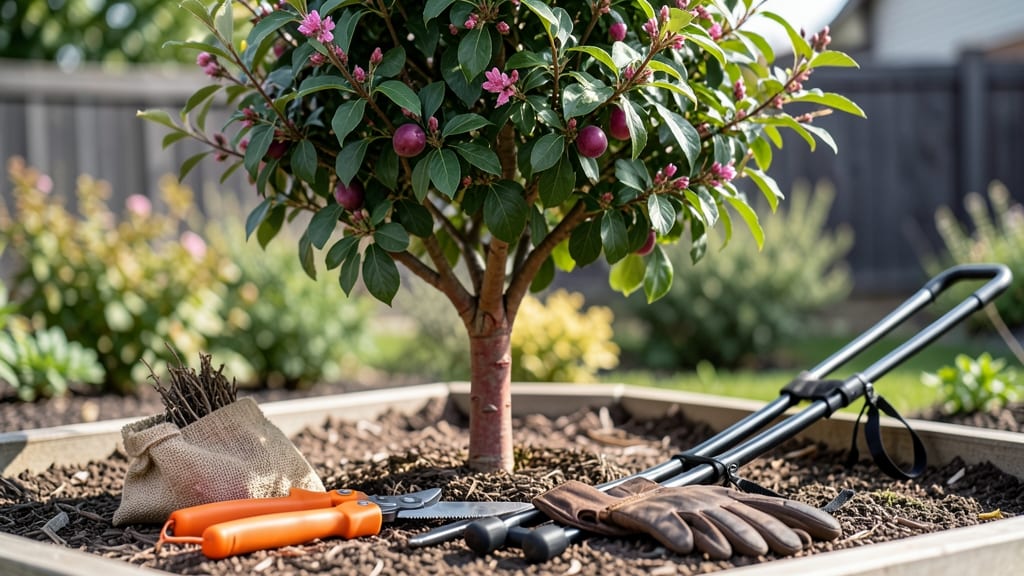
Pruning a Stanley prune tree involves targeted seasonal cuts to boost fruit production while shaping the tree, with winter being ideal for major structural pruning and summer focusing on light trims to improve airflow and sunlight penetration.
Stanley prune trees thrive when you time cuts to their natural growth cycles. 🌿 During winter dormancy (late November to early March), you'll tackle heavy pruning to remove dead or crossing branches, which prevents disease and opens the canopy for better light distribution.
Summer trims, done after harvest, should be minimal—just enough to shape the tree and encourage new growth for next year's fruit. The key is balancing fruit production with tree health, as over-pruning can reduce yields.
This approach mirrors how professional orchardists manage prune trees, where 30-40% of old wood removal in winter is standard practice. I've seen firsthand how proper pruning transforms a dense, tangled tree into an open, productive one within just a few seasons.
The goal isn't just aesthetics—it's creating an environment where the tree can focus its energy on producing high-quality fruit rather than struggling with crowded branches.
💡 In This Article
- Seasonal Pruning Schedule for Stanley Prune Trees
- Step-by-Step Pruning Techniques for Shape and Productivity
Seasonal pruning schedule for Stanley prune trees
The timing of your cuts directly impacts fruit production and tree health. Winter pruning (late November to early March) is critical because the tree is dormant, allowing you to remove 30-40% of old wood without stressing the plant.
During this period, the tree's energy isn't focused on growth, so major structural work—like removing dead branches or crossing limbs—won't trigger unnecessary stress. This is when you should also open the canopy by thinning branches to improve sunlight penetration to the inner fruit clusters.
What makes winter ideal is the tree's natural response: when pruned correctly, it will direct its energy toward new growth in spring, which translates to more fruit-bearing branches. Summer pruning, on the other hand, should be minimal—just light shaping cuts after harvest (June to August).
This encourages airflow and reduces humidity around the fruit, minimizing fungal diseases like brown rot. The key difference is that summer cuts stimulate new shoots, which can compete with existing fruit for nutrients if overdone. 🌿
Here's the science behind it: Prune trees respond to cuts by producing auxin, a growth hormone that regulates cell elongation. In winter, auxin production is low, so the tree focuses on healing wounds rather than growing new branches.
In summer, auxin spikes after cuts, promoting rapid shoot growth—but this can divert energy from fruit development. This is why professional growers often limit summer pruning to 10-15% of the canopy at most.
Aligning your cuts with the tree's growth cycle also means paying attention to fruit-bearing patterns. Stanley prune trees produce fruit on one-year-old wood, so preserving last year's growth is essential. When you remove too much old wood in winter, you risk reducing next year's fruit potential.
The goal is to strike a balance: remove enough to open the canopy but leave enough fruiting wood to ensure a good harvest. For example, a 10-year-old tree might need 20-30% of its branches retained for fruit production.
Seasonal pruning also affects the tree's long-term health. Winter cuts help prevent disease by removing dead or infected wood before pathogens can spread in spring. Summer trims improve air circulation, which reduces moisture buildup—a common cause of fungal infections.
I've noticed that trees pruned this way develop stronger structural frameworks, with branches that grow outward rather than inward, creating a more stable and productive shape over time. 🌱
To visualize this, think of the tree like a well-organized orchard: winter is your "cleanup" season, where you remove obstacles (dead wood, crossing branches) to make space for new growth. Summer is your "fine-tuning" season, where you adjust the shape and encourage airflow without overstimulating the tree.
This dual-season approach ensures the Stanley prune tree stays productive for decades, with consistent fruit yields and minimal disease pressure.