
Pruning
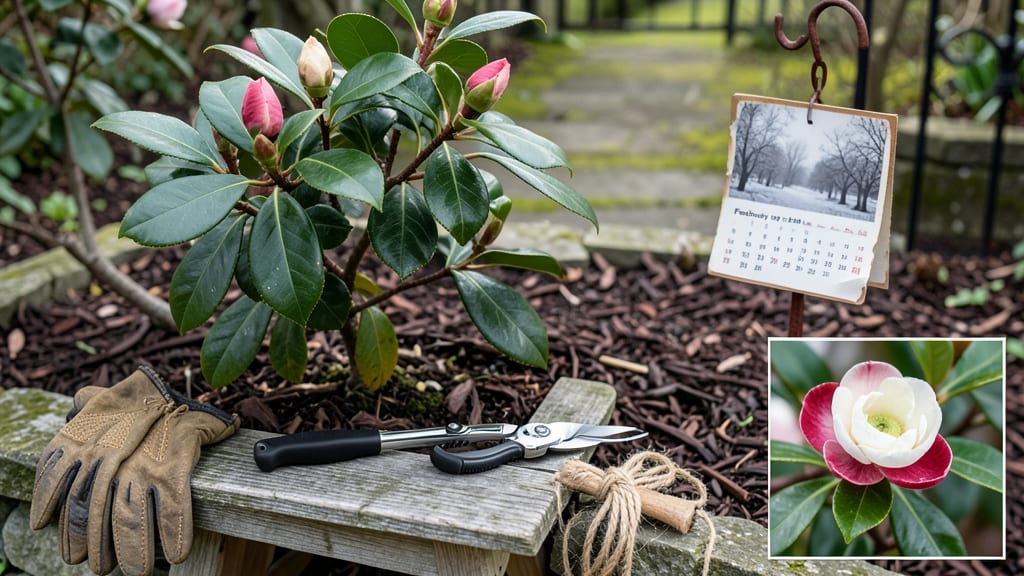
To prune a camellia bush, wait until immediately after its spring blooming season—typically between late April and early June—to prevent cutting off next year’s flower buds. Avoid pruning in fall or winter, as this can damage blooms or stress the plant.
Timing matters because camellias develop flower buds on old wood, meaning last year's growth holds next season's blooms. 🌸 If you prune too early, you risk removing those buds before they've formed.
For spring-blooming varieties, the window between June and early July is actually ideal for light shaping, but the critical pruning period remains right after the flowers fade.
I’ve seen gardeners accidentally strip their bushes by pruning at the wrong time—always check your specific variety first, as some late-blooming types may need adjustments.
When you do prune, focus on removing only dead or crossing branches. Sterilize your tools first to prevent disease, and never cut more than one-third of the bush at once.
This keeps the plant healthy while maintaining its natural shape. The goal is to encourage airflow and sunlight penetration without sacrificing next year’s floral display.
💡 In This Article
- Camellia Pruning Science: Flower Bud Formation Timing
- Step-by-Step Camellia Pruning Guide by Season
Camellia pruning science: flower bud formation timing
Camellias are unique because they form flower buds on old wood—meaning last year’s growth—rather than new shoots. This process begins in late summer and continues through fall, with buds fully developed by winter.
The critical window for pruning is right after spring blooms fade, typically between late April and early June, because cutting at this point ensures you’re not removing next year’s flower buds.
For example, a Camellia japonica variety that blooms in April will have its buds set by the following March, so pruning in July would risk cutting off those future blooms.
The timing aligns with the plant’s natural growth cycle: after spring flowers drop, the bush enters a recovery phase where it focuses on leaf production and root strengthening.
Pruning too early (like in late winter) can stimulate new growth that competes with bud formation, while pruning too late (after July) may leave the plant vulnerable to late-season pests or winter stress.
Extreme temperatures also play a role—buds need consistent 40-60°F temperatures to develop properly, which is why late-winter pruning in cold climates can shock the plant and disrupt flowering.
Here’s what’s happening biologically: Camellia buds are actually modified shoots that form in clusters along the previous year’s stems. These buds remain dormant until hormonal signals (triggered by daylight length and temperature) prompt them to swell in early spring.
If you prune before this process completes, you’re essentially cutting off the plant’s future blooms. For instance, a Camellia sasanqua that blooms in fall forms buds on old wood by late summer, so pruning in late fall or winter would be catastrophic for next year’s flowers.
What most gardeners don’t realize is that camellias also produce secondary buds on new growth, but these are typically smaller and less vibrant. The primary, show-stopping blooms always come from old wood, which is why precision timing is everything.
For example, a heavily pruned Camellia in July might produce a few late-season blooms, but they’ll be sparse compared to a properly timed prune in June. The plant’s energy is better spent on root and leaf growth when it’s not distracted by new shoots.
Regional climate also affects the ideal pruning window. In warmer zones (USDA 8-10), camellias may bloom slightly later, extending the safe pruning period to early July. Conversely, in cooler climates (USDA 7), the window narrows to late May due to earlier bud dormancy.
Always observe your specific variety’s bloom cycle—some late-blooming types like Camellia ‘Winter’s Star’ may need adjustments to this general rule.
One pro tip: Look for the telltale signs of bud formation—tiny, rounded swellings along the stems in late summer. If you see these, hold off on pruning until they’ve fully developed.
This visual cue is your best indicator that the plant is preparing for next year’s blooms, and cutting too soon could mean fewer flowers come spring.