
Pruning
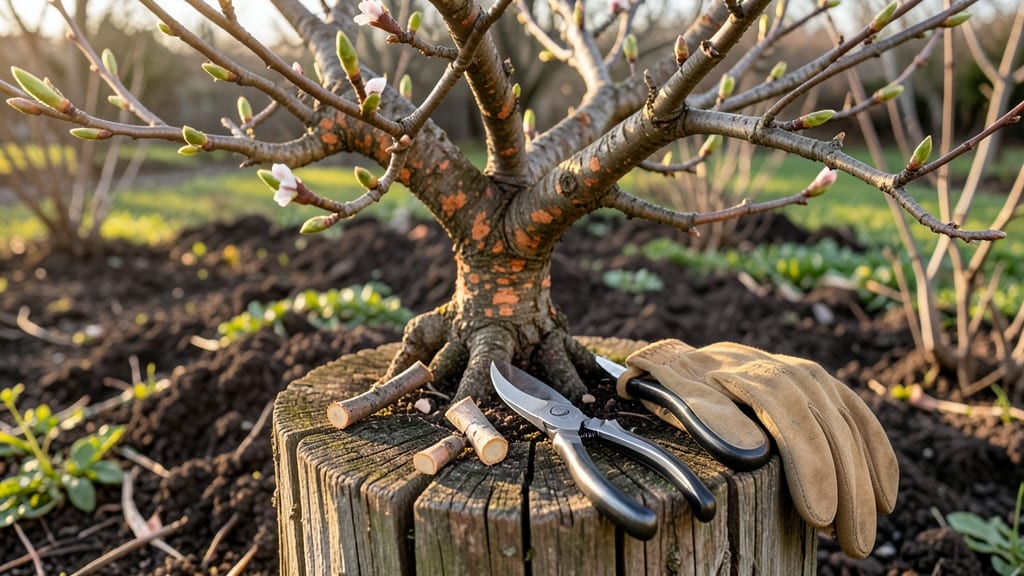
Prune apricots in late winter or early spring, just before buds swell but before new growth begins, to avoid spreading fungal diseases and encourage strong fruit production. Avoid pruning during wet conditions or when trees are dormant in extreme cold.
Timing matters more than you might think for apricot trees. 🌱 The late winter to early spring window is ideal because it lets you trim before the tree's natural defenses kick in, reducing the risk of infections.
Pruning during this dormant period also helps redirect the tree's energy toward fruit production rather than repairing wounds. I've seen firsthand how trees pruned at the wrong time struggle with disease and yield fewer apricots the following season.
Another key factor is avoiding wet conditions—moisture turns pruning cuts into open invitations for fungal spores. Even in dry climates, extreme cold weakens the tree's ability to heal, so always check the forecast before grabbing your shears.
For best results, aim to finish pruning by the time buds begin to plump up, signaling the tree's readiness to burst into growth.
💡 In This Article
- Optimal Apricot Pruning Seasons Explained
- Step-by-Step Apricot Pruning Guide for Beginners
Optimal apricot pruning seasons explained
The perfect time to prune apricot trees—late winter or early spring—aligns with their natural dormancy cycle. During this period, trees have shed their leaves and stopped active growth, which means they're not actively transporting water and nutrients through their systems.
This reduces the risk of disease because open wounds from pruning can't easily spread pathogens through the tree's vascular system. Think of it like getting a vaccination when you're healthy versus when you're already sick—timing makes all the difference.
Here's what's happening biologically: apricot trees enter dormancy when temperatures drop below 40°F (4°C) for extended periods. This triggers the tree to conserve energy, which is why pruning during this time minimizes stress.
The ideal window is just before buds begin to swell—typically 4-6 weeks before last frost in your region. For example, in USDA Zone 7 (where many apricot trees thrive), this usually falls between February and early March.
Pruning too early in winter risks exposing the tree to extreme cold, while waiting too long risks encouraging new growth that could be damaged by late frosts.
Wet conditions are the enemy of healthy pruning. When you cut into a branch during damp weather, moisture creates the perfect environment for fungal spores to enter the wound. Apricot trees are particularly susceptible to diseases like brown rot (Monilinia fructicola), which thrives in wet conditions.
This is why professional arborists often wait for a dry spell before pruning—even a light rain can turn a clean cut into a potential infection site.
The tree's natural healing process begins when temperatures rise and growth resumes, but you want to give it a head start with clean, dry cuts.
What most people don't realize is how pruning timing directly impacts fruit production. When you prune at the right time, you're essentially telling the tree to redirect its energy toward developing strong branches and fruit-bearing wood rather than repairing wounds.
Studies show that properly timed pruning can increase apricot yields by up to 30% in the following season. The key is removing 15-20% of the tree's canopy during each pruning session—this opens up the center for better airflow and sunlight penetration, both critical for fruit development.
Consider the climate differences too. In warmer regions like California's Central Valley, apricot trees might need pruning as early as late January, while in colder areas like Oregon, you might wait until April.
The rule of thumb is to prune when the ground is thawed but before the buds start to "pop" or show green. You can test this by gently pressing a bud—if it feels firm and hasn't started to soften, it's still safe to prune.
This tactile check is often more reliable than relying solely on calendar dates.
One advanced consideration is the concept of "delayed dormancy breaking" in some apricot varieties. Certain cultivars, particularly those bred for late-season fruit production, might benefit from a slightly later pruning window to avoid removing potential fruit buds that haven't fully developed.
Always check with local agricultural extensions or your nursery for variety-specific recommendations. For most standard apricot trees, however, sticking to the late winter/early spring window gives you the best balance of disease prevention and growth stimulation.