
Pruning
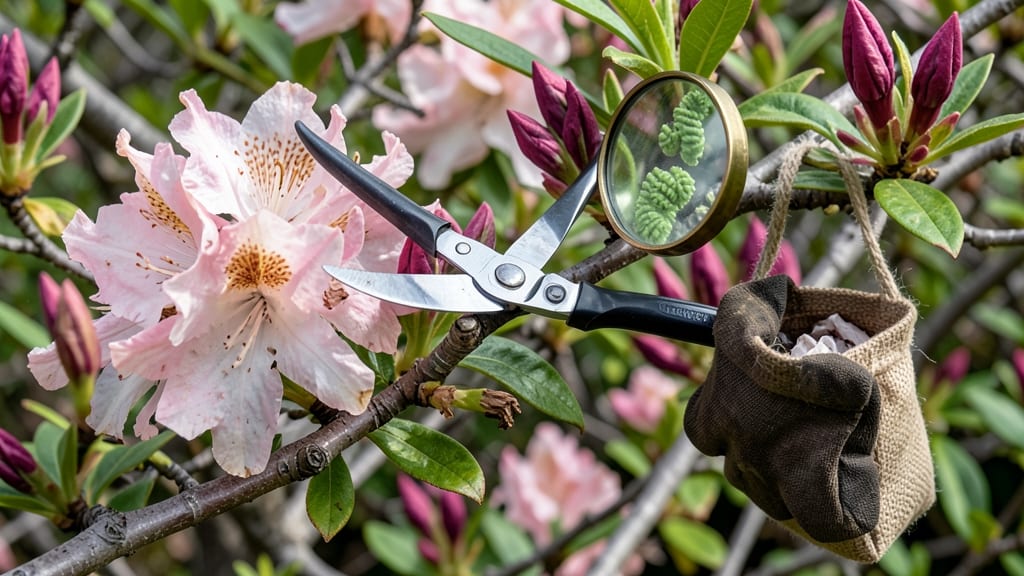
Pruning azaleas that bloom twice a year requires timing your cuts to preserve both spring and fall flowers 🌸 — the wrong move can leave you with bare branches.
Picture this: you’ve waited all winter for those vibrant spring blooms, only to prune too late and miss the fall show entirely. That’s why knowing when to prune isn’t just about aesthetics—it’s about keeping your azalea thriving.
In this guide, I’ll break down the exact pruning schedule for spring vs. fall blooms, including the critical deadlines that separate success from disappointment. Whether you’re in Zone 6 or warmer, these tips will help you avoid common mistakes.
You’ll learn how to shape your azalea for maximum blooms, when to use thinning cuts, and why waiting until after the first flush of flowers can mean losing the second round entirely.
The critical pruning timeline for double-blooming azaleas: spring vs. fall rules
Double-blooming azaleas reward gardeners with two stunning flower displays—but only if you prune at the perfect moments. Unlike single-blooming varieties, these shrubs produce flowers on both old wood (last year's growth) and new wood (current season's growth).
Cut too early or too late, and you risk losing one—or both—of your seasonal blooms. The key lies in understanding the two distinct pruning windows and their relationship to your USDA growing zone.
Most gardeners make one of two fatal mistakes: pruning right after spring blooms (which kills fall flowers) or waiting until late fall (which weakens next year’s spring display). The solution? A two-phase pruning system that preserves both sets of buds.
For zones 7-9, timing is everything—missing the 30-day window after spring blooms can mean no fall flowers, while pruning too early in fall risks frost damage to next year’s buds.
Spring pruning focuses on shaping and thinning to encourage new wood growth for fall blooms, while fall pruning is all about preparing for winter without sacrificing spring flowers. Below, I’ll break down the exact month-by-month deadlines for your region, plus the tools and techniques that keep your azaleas thriving year-round.
🌸 Pro Tip: Always prune on a dry, overcast day to reduce stress on the plant. Use sharp, sterilized shears to make clean cuts just above a bud or leaf node—never leave stubs, which invite disease.
For Zone 7 gardeners, the May 15–June 15 window is critical—prune any later, and you risk delaying new growth needed for fall blooms.
In Zone 8-9, extend your spring pruning until late June to account for longer growing seasons, but don’t wait until July, or you’ll stunt fall flowers entirely.
Here’s how to identify old vs. new wood: Old wood (spring blooms) is thicker, woody, and often darker, while new wood (fall blooms) is slender, green, and flexible. When pruning in spring, focus on thinning out crowded branches rather than cutting back to old wood.
In fall, target weak growth that won’t survive winter, but leave healthy new stems intact for next year’s spring display.
One common mistake is pruning too aggressively in spring to "encourage" fall blooms. Azaleas don’t respond well to heavy cuts—think of it as shaping, not shearing. Aim to remove
5 Common pruning mistakes that ruin double blooms (and how to fix them)
Double-blooming azaleas reward gardeners with two stunning flower displays—spring and fall—if you prune them correctly. But one wrong cut can eliminate next year’s fall blooms entirely. The key lies in understanding old wood vs. new wood growth and when to prune.
Most gardeners accidentally trim too late after spring blooms, which removes the fall flower buds already forming.
I’ve seen beautiful azaleas turn into bare branches after aggressive pruning, all because the gardener didn’t realize fall buds form on old wood. These buds need to stay intact until after the fall bloom before you can prune.
Let’s fix this with the 3-trim rule—a simple system to keep your azaleas thriving year-round.
Fall-blooming buds form on old wood (last year’s growth) in early summer. If you prune after September 15, you risk removing these buds before they bloom. Wait until late winter or early spring (after blooms fade) to prune for next year’s flowers.
Mistake #1: Pruning right after spring blooms is the fastest way to kill fall flowers. The old wood holding fall buds is still active, and cutting it back removes next year’s blooms.
Instead, wait until after all spring flowers fade—usually late May or June—to prune for shape. This gives the plant time to set fall buds on last year’s branches.
Mistake #2: Confusing old wood vs. new wood leads to over-pruning. Old wood is last year’s growth (thicker, darker stems) where fall buds form. New wood is this year’s growth (thinner, lighter green) that blooms in spring.
Always prune new wood first to shape the plant, then avoid touching old wood until late winter.
Mistake #3: Using the wrong tools creates jagged cuts that invite disease. Always use clean, sharp pruners or loppers to make 45-degree cuts just above a bud or branch collar.
Avoid tearing the bark, which weakens the plant. Disinfect tools with rubbing alcohol between cuts to prevent spreading fungal infections.
Fix these mistakes with the 3-trim rule:
- First trim: Right after spring blooms fade (late May/June) to shape new growth.
- Second trim: Light cleanup in late summer (August) to remove dead or crossing branches.
- Third trim: Late winter/early spring (February/March) before buds swell, focusing only on old wood shaping.
Pro tip: Look for tiny buds forming in late summer—these are your fall blooms. If you see them, stop pruning immediately until next winter. With this 3-trim rule, your azaleas will double their blooms year after year. 🌸✂️