
How To
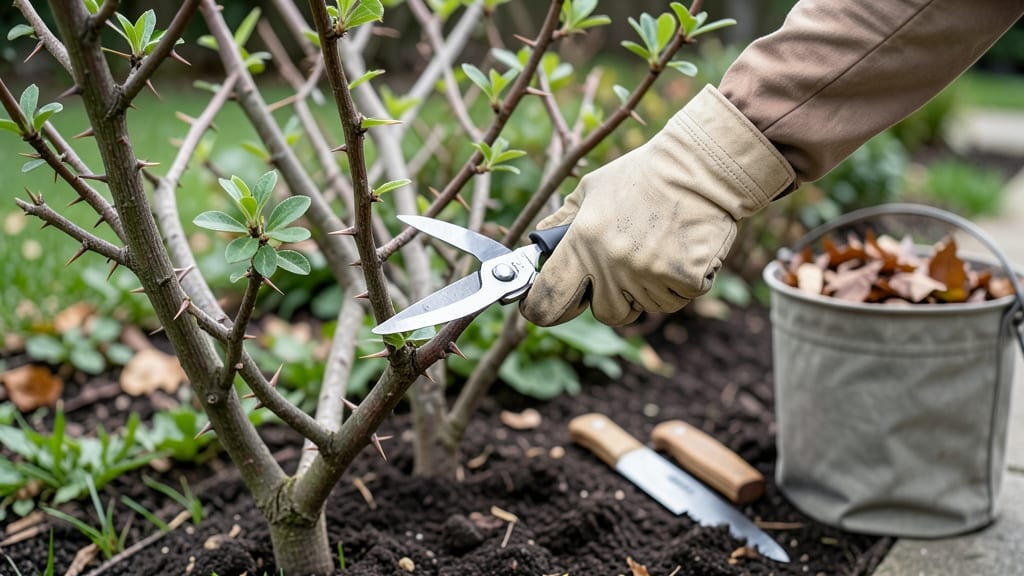
Pruning barberry bushes in late winter sets the stage for vibrant spring blooms and keeps your 🌿 shrubs healthy year-round.
Struggling to keep your barberry bushes lush and blooming? Timing your prune just right can mean the difference between vibrant spring growth and sparse, weak stems—here’s the expert schedule you’ve been missing.
Most gardeners wait until spring, but the best time to prune is actually late winter, just before new growth appears. This timing encourages fresh foliage and prevents disease by removing old wood before pests emerge.
In this guide, I’ll walk you through the exact window for your climate zone, the tools you’ll need, and how to shape your barberry bushes for maximum beauty—without accidentally cutting off next year’s flowers.
Best time to prune barberry bushes for maximum spring blooms
Timing your barberry bush pruning is everything when it comes to spring blooms. Prune too early, and you risk frost damage or losing next year’s flowers. Prune too late, and your bush may become overgrown or leggy.
The ideal window is late winter, just before new growth begins—typically February to early March in most regions. This timing ensures your barberry has time to recover and burst into vibrant spring color.
Barberries bloom on old wood, meaning last year’s growth produces this year’s flowers. If you prune at the wrong time, you could accidentally remove next year’s blooms before they even form.
The key is to prune after the worst winter frost but before buds swell. This balance gives your bush the energy it needs to produce lush foliage and abundant flowers.
Climate plays a huge role in the best pruning time. In warmer climates (Zones 8-10), you might extend your window into January or even December.
In colder regions (Zones 3-6), wait until March or even April to avoid late frosts. Always check your local last frost date and adjust accordingly.
Here’s a quick comparison to help you decide when to prune based on your climate zone:
| Climate Zone | Best Pruning Window | Why It Works | Avoid |
|---|---|---|---|
| Zones 3-6 (Cold Climates) | Late March to early April | Waits for last frost; encourages strong spring growth | Pruning too early (frost damage) |
| Zones 7-8 (Temperate Climates) | February to early March | Balances frost risk and new growth timing | Pruning after buds swell (loses flowers) |
| Zones 9-10 (Warm Climates) | January to February | Avoids summer heat stress; promotes early blooms | Pruning in summer (stresses plant) |
If you’re unsure about your last frost date, use a local gardening app or check with your cooperative extension service. These resources provide hyper-local advice tailored to your area.
For example, if you’re in Zone 5 and your last frost is typically May 1, aim to prune by April 15 to give your barberry time to recover before summer heat arrives.
Pruning at the right time also helps prevent disease. Barberries are prone to powdery mildew and leaf spot when stressed. A well-timed prune removes dead or diseased wood, improves air circulation, and reduces humidity trapped in dense foliage.
Always use sterilized pruning tools to avoid spreading pathogens between cuts.
Pro tip: Look for bud swell as your cue to prune. When you see tiny buds starting to plump up along the stems, it’s time to grab your shears. This usually happens 2-4 weeks before new leaves emerge.
If you miss this window, you can still prune in early fall, but you’ll sacrifice some of next year’s blooms.
One common mistake is pruning after spring blooms appear. While this won’t kill your barberry, it can make the bush look untidy and reduce next year’s flower production. Instead, focus on shaping and thinning in late winter to encourage a fuller, bushier growth habit.
Aim to remove no more than 25% of the plant’s total volume in one pruning session to avoid shocking it.
For mature barberry bushes, consider a two-step pruning approach: First, prune in late winter to shape and remove dead wood. Then, do a light touch-up in early fall to clean up any overgrown stems or crossing branches.
This keeps your barberry healthy year-round and ensures it stays compact and vibrant.
Finally, don’t forget to water deeply after pruning, especially if your region is experiencing dry winter conditions. A good soak helps the plant recover faster and reduces stress. Mulch around the base with 2-3 inches of organic mulch to retain moisture and protect roots from temperature swings.
Step-by-step late winter pruning guide for barberry bushes
Late winter is the perfect time to prune barberry bushes because they’re dormant, making it easier to shape them without stressing the plant. This 3-step process ensures vibrant spring blooms and a healthy, bushy structure.
Grab your tools, and let’s get started—your barberry will thank you with lush new growth in no time!
Before diving in, sterilize your tools with rubbing alcohol to prevent spreading fungal diseases like rust, which barberries are prone to.
Use sharp, clean bypass pruners for clean cuts and a hand saw for thicker branches. Wear gloves to protect your hands from thorns and any potential irritants from the plant’s sap.
Step-by-Step Late Winter Pruning Guide
- Step 1: Remove Dead or Diseased Wood
Start by cutting out any dead branches or those with signs of disease (rust spots, blackened areas). These won’t regrow and can spread problems to healthy stems.
- Step 2: Thin Out Overcrowded Branches
Look for crossing branches or those growing inward. Cut these back to the main stem or a side branch to improve airflow and sunlight penetration.
- Step 3: Shape for Fullness
Trim overly long branches by 1/3 to encourage bushier growth. Make cuts just above a leaf bud or side branch at a 45-degree angle to prevent water pooling.
- Step 4: Clean Up and Mulch
Rake up clippings and dispose of them properly (don’t compost diseased wood). Apply a 2-inch layer of mulch around the base to retain moisture and protect roots.
When pruning, always cut at the branch collar, the swollen area where the branch meets the stem. Avoid leaving stubs, as they can rot and invite pests.
For older barberries, you can also rejuvenate them by cutting back 1/3 of the oldest stems to the ground—this stimulates new growth from the base.
After pruning, water deeply to help the plant recover. Avoid fertilizing right away, as new growth needs time to establish.
Instead, wait until early spring to apply a balanced fertilizer (like 10-10-10) to support the season’s growth spurt. Monitor for pests like spider mites or aphids, which may appear on stressed plants.
Pro tip: If your barberry hasn’t bloomed yet, wait until after flowering to prune—this ensures you don’t accidentally remove next year’s flower buds. For non-flowering varieties, late winter is always the best time to prune for shape and health.
With these steps, your barberry will be thriving and picturesque by spring!