
How To
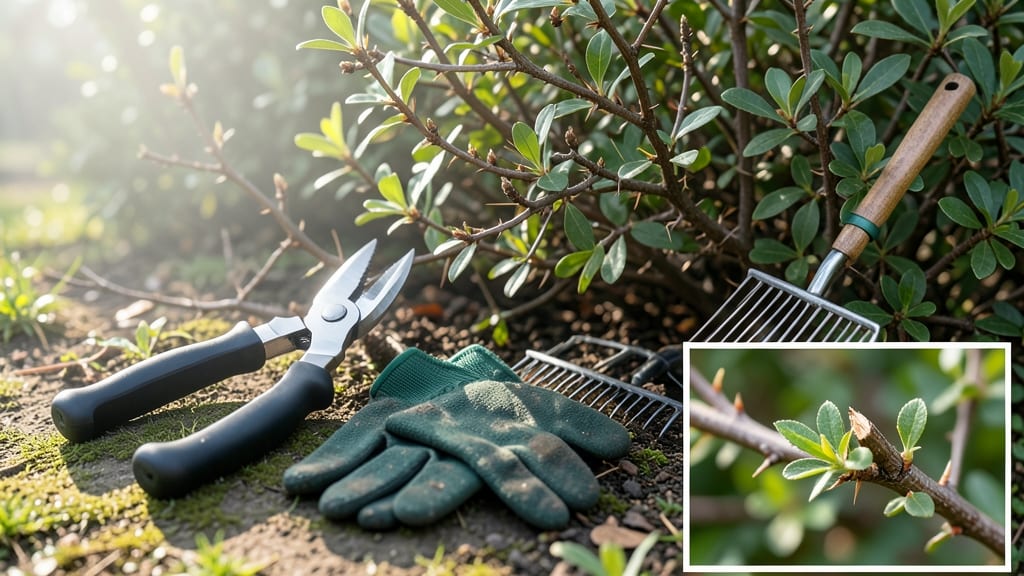
To prune barberry at the right time means catching it in late winter’s dormant phase—just before the first flush of new growth 🌿.
If you’ve ever watched your barberry struggle with sparse branches or leggy stems, you know timing is everything. Pruning too early can shock the plant, while waiting too long risks missing the sweet spot for bushier, healthier growth.
Most gardeners in Zone 6a should aim for late February or early March, when the plant is still asleep but the frost has passed. This window lets you shape the shrub without stressing it, setting the stage for vibrant blooms and dense foliage later in the season.
Below, I’ll break down the exact cues to watch for, how to adjust for your climate, and the simple steps to prune like a pro—so your barberry thrives all year.
Optimal late winter pruning timeline for barberry growth
Barberry thrives when pruned during its dormant season, but late winter is a critical window that balances growth stimulation and pest prevention. Pruning too early can expose tender new shoots to frost, while waiting too long risks overcrowded branches and reduced flowering.
The key is understanding your USDA zone and watching for dormancy cues like bare stems and dried foliage.
In USDA Zones 5-7, late winter typically means February through early March, while gardeners in Zones 8-10 should aim for January to February before bud break.
This timing ensures your barberry has enough cold dormancy to recover quickly from pruning stress, promoting denser foliage and more vibrant blooms in spring.
Regional adjustments are essential: Northern climates with harsh winters should prune after the last frost but before active growth begins, while Southern regions can start earlier. Always check for swollen buds—if you see them, pruning is too late for this season.
Here’s a month-by-month breakdown to help you time your pruning perfectly, including climate-specific tips and dormancy signs to watch for:
For cold-hardy varieties like Berberis thunbergii, pruning in February gives them time to heal wounds before spring growth. In contrast, evergreen barberries (e.g., Berberis julianae) can handle January pruning in warmer zones, as their foliage stays green year-round.
Watch for frost warnings in your area—pruning just before a hard freeze can damage exposed cuts. If you’re unsure, wait until two weeks after the last frost date in your region. For example, gardeners in Zone 6 with a last frost around April 15 should prune by mid-March.
After pruning, mulch around the base with 2-3 inches of organic mulch (like shredded bark) to insulate roots and retain moisture. Avoid heavy mulching near the stem, as this can cause rot. Water deeply but infrequently—once every 2-3 weeks—until new growth appears.
If your barberry shows signs of stress after pruning (e.g., yellowing leaves or wilting), it may need extra care. Apply a balanced fertilizer (like 10-10-10) in early spring to encourage recovery. For over-pruned shrubs, reduce future cuts by no more than 25% of the foliage per year.
Timing your pruning correctly isn’t just about when—it’s about how you prepare your barberry for the growing season. A well-timed cut in late winter boosts airflow, reduces pest risks, and sets the stage for healthier, bushier growth all season long.
Step-by-step late winter pruning techniques for barberry
Late winter is the perfect time to prune your barberry shrubs because the plant is dormant yet ready to rebound with fresh growth. This 7-step process ensures you shape your barberry correctly while preventing disease and encouraging bushier foliage for the coming season.
Start by removing dead or diseased branches first—they’re easy to spot against the bare stems of winter. Then, focus on thinning dense areas to improve airflow and sunlight penetration. Sterilizing your tools is non-negotiable to avoid spreading pathogens like barberry rust, a common threat.
- 1 Choose the right time: Prune late winter (February–March) after the last frost but before bud break (typically USDA Zone 6a: mid-March).
- 2 Gather tools: Use sterilized pruners, sharp loppers, and a disinfectant solution (1 part bleach to 9 parts water).
- 3 Remove dead/diseased wood: Cut 2–3 inches below the damaged area at a 45-degree angle to prevent water pooling.
- 4 Thin dense branches: Selectively prune 1/3 of oldest stems to the ground, starting from the center outward.
- 5 Shape the shrub: Trim new growth to encourage fuller branches. Aim for a rounded or vase shape for balance.
- 6 Sterilize tools between cuts: Wipe blades with rubbing alcohol or the bleach solution to kill bacteria/fungi.
- 7 Clean up debris: Remove all pruned branches and fallen leaves from the area to reduce pest habitats.
After pruning, apply a 2-inch layer of mulch around the base to retain moisture and suppress weeds. Avoid piling mulch against the stem, as this can cause rot. Water deeply but lightly to encourage root growth without stressing the plant.
Your barberry will thank you with vibrant new shoots by early spring. For evergreen varieties, this timing also prevents winter burn from late-season frost. Repeat this process annually to maintain health and vigor.
🌿