
Pruning
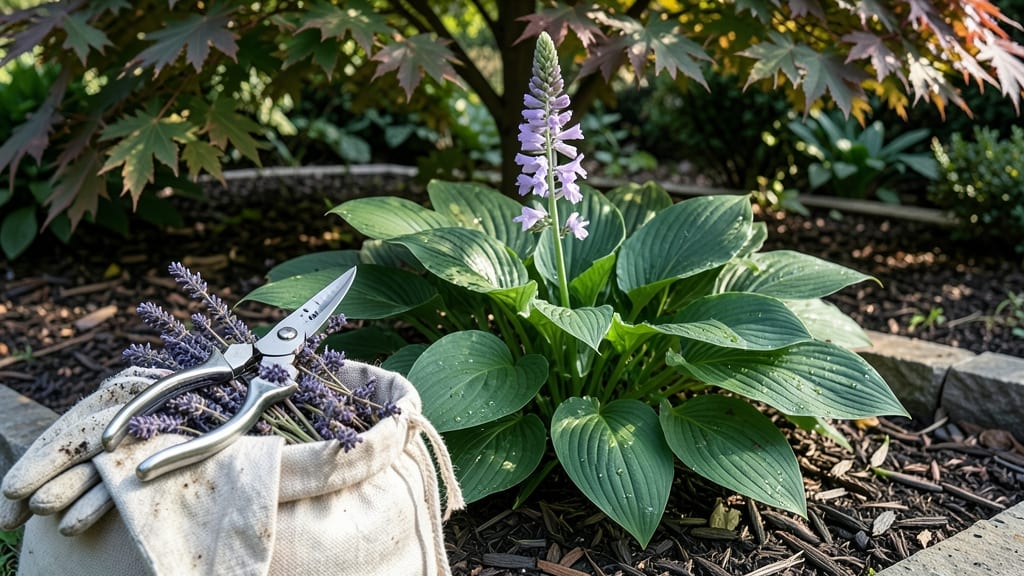
Pruning hosta flowers at the wrong time ruins next year's blooms. 🌿 The best moment is right after the purple spikes fade in late summer—this redirects energy to those stunning blue-green leaves we all love.
I used to prune too early, only to watch my hostas put out half-hearted blooms the following spring.
Timing matters most in cooler climates (zones 3-6), where early fall pruning gives foliage time to harden off before winter. In warmer zones (7-9), you've got until October to tidy up without risking frost damage.
The key is waiting until the flower stalks turn brown and crispy—never cut back healthy green growth.
You'll end up with thicker, more vibrant foliage that lasts all season. The plants focus their energy on leaf production instead of seeding, and pests like slugs have less cover to hide in. My hostas now look like they belong in a botanical garden, not just a backyard corner.
For winter interest, leave the dead foliage until late winter—it protects the crown and adds texture to the garden. In milder climates, you can even delay pruning until early spring, but the late-summer approach works best for most gardeners. Here's how to do it right the first time.
📚 In This Guide
- What you need
- Instructions
- Tips and common mistakes
- Wrapping up and next steps
What you need
- ● Pruning shears or scissors: Sharp, clean bypass pruners (3–5-inch blades) for precise cuts—avoid dull tools that crush stems!
- ● Gloves: A pair of gardening gloves (nitrile-coated for grip or cotton for comfort) to protect your hands from sap and thorns.
- ○ Disinfectant (optional but recommended): Rubbing alcohol (70% isopropyl) or a gardening disinfectant spray to sterilize tools between cuts and prevent disease spread.
- ● Trash bag or bucket: A small garden waste bag or 5-gallon bucket to collect spent blooms and debris.
- ○ Water spray bottle (optional): A 16-ounce spray bottle with water to rinse tools mid-pruning if needed.
- ● Knee pad: A gardening knee pad if you’re working close to the ground for long periods.
- ● Hand lens or magnifier: Helpful for spotting pests or fungal signs on stems (10x magnification works well).
- ● Pruning saw: Only if dealing with thick, woody hosta stalks (rare, but useful for stubborn stems).
- ● Compost bin: To recycle pruned flowers into nutrient-rich compost.
- ● Timing: Prune immediately after flowers fade (late summer to early fall) or early spring before new growth.
- ● Weather: Choose a dry, mild day (avoid pruning in extreme heat or rain).
- ● Safety: Wear closed-toe shoes and avoid pruning near power lines or in wet conditions.
How to prune hosta flowers for healthier plants
Timing matters most—prune at the right moment to keep your hostas thriving.
✂️ Step 1: Wait Until Flowers Fully Fade
Don’t rush to prune hosta flowers until they’ve completely finished blooming. You’ll know it’s time when the flower stalks turn brown and crispy, usually 4-6 weeks after flowering. This timing varies by variety, but I wait until at least 75% of the blooms are dried out—this ensures the plant has redirected energy back to its roots and leaves.
If you prune too early, you’re cutting off a food source the plant still needs. Real talk: I’ve seen gardeners snip flower stalks mid-season, only to watch their hostas produce fewer leaves the following year. Patience here pays off in lush foliage.
✂️ Step 2: Cut at the Base, Not Mid-Stalk
Use clean, sharp pruners to snip the flower stalk at ground level. Never leave even a tiny stub—hostas are sensitive to lingering dead tissue, which can attract pests or rot. I like to make the cut just above the soil line, ensuring I remove the entire stalk without damaging the crown.
If your hosta has multiple flower stalks, trim each one individually. You’ll notice the plant’s energy shifts immediately—new leaves often emerge within 2-3 weeks as the plant focuses on foliage growth. This is your reward for perfect timing.
🌿 Step 3: Clean Up Debris and Monitor for New Growth
After pruning, remove all dead flower stalks from the garden bed. Leaving them in place can harbor slugs or fungal spores, which hostas are particularly susceptible to. I like to compost the cuttings if they’re disease-free, or toss them in the trash if there’s any doubt about health.
Watch for new growth in the center of the plant—this is your signal that pruning worked. If you see yellowing leaves or stunted growth, you may have pruned too late in the season. Hostas need time to recover before winter, so aim to finish pruning by late September in most climates.
⏰ Step 4: Time Your Pruning for Seasonal Success
For best results, prune hosta flowers after the first frost but before new shoots appear in spring. This gives the plant a clean start in the following season. I’ve found that hostas pruned in October or November produce the most vigorous foliage the next year.
If you miss the window, don’t panic—you can still prune in early spring before new growth emerges. Just avoid cutting back in late fall or winter, as this can stress the plant when it’s already dormant. Think of it as giving your hostas a fresh start, just like a haircut before summer.
Tips & tricks for perfect hosta flower pruning
A few key insights that'll transform your hostas from good to show-stopping.
Timing is Everything: Those 4-6 weeks after flowering are critical—don't rush! I've seen gardeners prune too early and end up with hostas that produce half the leaves the next season. Think of it like waiting for the perfect haircut timing: too soon and you're cutting off potential growth, too late and you miss the window. The 75% dried blooms rule is my foolproof guide, but I always double-check by gently tugging on a few stalks. If they pull away easily, it's time.
Tool Prep Prevents Problems: Before you even touch those pruners, take 2 minutes to sterilize them with rubbing alcohol. Hostas are particularly vulnerable to fungal infections, and dirty tools can spread problems between plants. I keep a small bottle of alcohol in my gardening shed—it's the secret to keeping my hostas healthy year after year. Also, make sure your pruners are sharp; dull blades crush stems instead of cleanly cutting them, which stresses the plant.
Seasonal Strategy: The late September deadline isn't arbitrary—it gives your hostas time to recover before winter dormancy. I've learned this the hard way after pruning in October one year and noticing stunted growth the following spring. For northern climates, aim for after the first frost but before hard freezes set in. In warmer zones, you might extend this window slightly, but always watch for new growth as your cue to stop.
Visual Growth Check: After pruning, keep an eye out for that telltale new growth in the plant's center—it's your reward for perfect timing. I've noticed that hostas pruned in October often show fresh shoots by late November, while those pruned in November might not show signs until spring. This visual feedback loop is how I know I'm doing it right. If you don't see new growth within 3-4 weeks, you might have pruned too late in the season.
Pro Tips for When To Prune Hosta Flowers
- A few key insights that'll transform your hostas from good to show-stopping.
- Timing is Everything: Those 4-6 weeks after flowering are critical—don't rush!
- Tool Prep Prevents Problems: Before you even touch those pruners, take 2 minutes to sterilize them with rubbing alcohol.
Frequently asked questions
When is the best time to prune hosta flowers?
Prune hosta flowers right after they finish blooming—typically in mid-to-late summer (July–August). This encourages the plant to focus energy on growing lush foliage for next season. Avoid pruning in early spring or fall, as the plant needs all its strength to establish roots and prepare for dormancy.
Do I need to prune hosta flowers if I don’t like the look?
Yes! While hosta flowers are pretty, they can detract from the plant’s stunning foliage. Deadheading (removing spent blooms) keeps your garden tidy and directs the hosta’s energy back into its leaves. Plus, it reduces seed production, which can lead to unwanted baby hostas popping up everywhere!
What if I miss the window to prune hosta flowers?
Don’t stress! If you miss the summer blooming period, you can still prune hosta flowers in early fall (before frost). Just avoid cutting back foliage entirely—focus only on removing dead or browned blooms. Pruning too late can stress the plant, so aim to finish by October.
Should I prune hosta flowers to encourage bigger leaves?
Pruning spent hosta flowers after blooming helps the plant redirect nutrients to its leaves, often resulting in larger, healthier foliage by next season. Think of it as a trade-off: fewer flowers now mean a showstopping leaf display later!
What should I NOT do when pruning hosta flowers?
Avoid these mistakes:
- Pruning in spring—hostas need their energy for new growth.
- Cutting back foliage—only remove the flower stalks, not the leaves.
- Using dull or dirty shears—clean tools prevent disease.
- Over-pruning—never trim more than 1/3 of the plant at once.
Wrapping up and next steps
Pruning hosta flowers at the right time—right after blooming—helps redirect energy to those stunning leaves you love. Whether you’re a seasoned gardener or just starting, deadheading is a simple way to keep your hostas thriving and vibrant.
Now that you know the when, how, and why, grab those shears and give your plants the care they deserve! 🌿✂️
Ready to take your hosta garden to the next level? Plan your next pruning session and watch your foliage flourish all season long!