
Pruning
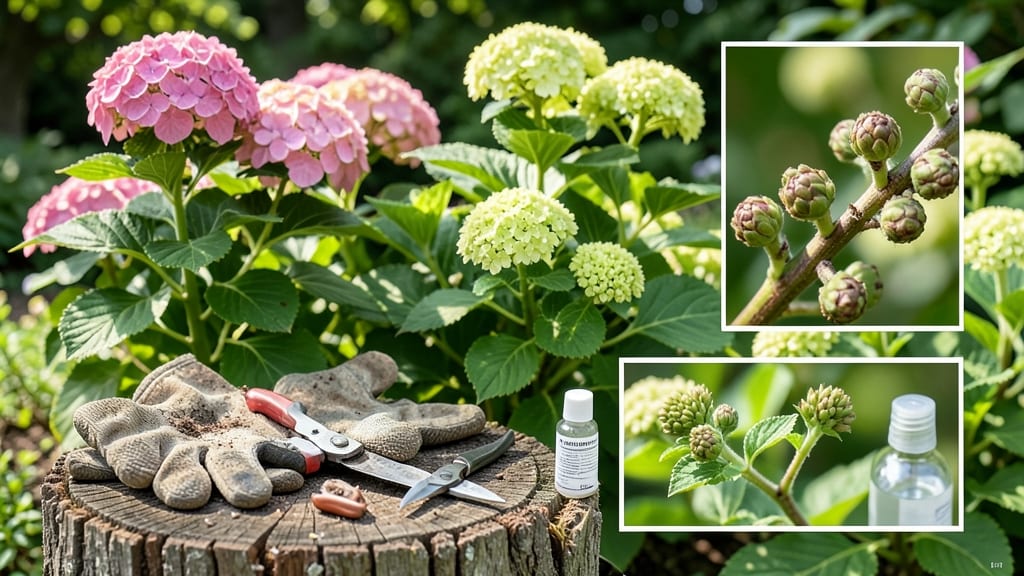
To prune hydrangeas in New England, aim for late winter—just as the last frost looms but before buds swell—when the 🌸 shrubs are still dormant.
New England’s unpredictable winters can leave gardeners unsure about the best time to prune hydrangeas—wait too long, and you risk stunting next year’s blooms. But with the right timing and technique, late winter pruning can transform your hydrangeas into lush, vibrant showstoppers.
Most hydrangeas in zones 5a-6b thrive when pruned in March, after the worst cold snaps pass but before spring growth begins. This timing ensures you remove dead wood without disturbing the buds that will produce summer blooms.
Below, I’ll walk you through the exact steps, tools, and regional tweaks to get your hydrangeas off to a stronger start—so you’re rewarded with fuller, healthier blooms all season.
Best late winter pruning timeline for new England hydrangeas
New England’s late winter presents the perfect window for hydrangea pruning—just before new growth begins but after the worst frost risks have passed. Timing is everything: prune too early, and frost can damage tender stems; wait too long, and you’ll cut off next year’s flower buds.
The key lies in understanding your hydrangea variety and local frost dates, which typically range from mid-April to early May across the region.
Most hydrangeas in New England—like mophead and oakleaf varieties—bloom on old wood, meaning their flowers form on stems from the previous year. Panicle hydrangeas, however, bloom on new wood, so they can handle pruning slightly later.
Knowing this distinction ensures you don’t accidentally remove next year’s blooms while cleaning up winter damage.
Last year’s frost dates are your pruning guide. In USDA zones 5a-6b, aim to prune between late February and early April, but always wait until the ground isn’t frozen and daytime temperatures consistently stay above 40°F. This timing gives your hydrangeas time to recover before the growing season kicks into gear.
| Variety | Prune Time | What to Cut | Notes for New England |
|---|---|---|---|
| Mophead (e.g., 'Endless Summer') | Late February - Early March | Dead/damaged wood; shape lightly | Blooms on old wood; avoid heavy cuts |
| Oakleaf (e.g., 'Snow Queen') | Late February - Early April | Dead wood; thin out crowded branches | Tolerates colder temps; prune after last frost risk |
| Panicle (e.g., 'Limelight') | Early March - Mid-April | Up to 1/3 of old wood; shape aggressively | Blooms on new wood; prune later for bigger blooms |
For mophead hydrangeas, like the popular 'Endless Summer', prune between late February and early March. Focus on removing dead or diseased branches and lightly shaping the plant to encourage airflow.
These varieties bloom on old wood, so avoid heavy pruning—stick to cutting back only what’s necessary to maintain shape and health.
Oakleaf hydrangeas, such as 'Snow Queen', are a bit more forgiving. You can prune slightly later, from late February to early April, as they tolerate colder temperatures better. Thin out crowded branches and remove any dead wood, but leave the rest of the structure intact to preserve next year’s blooms.
Panicle hydrangeas, including 'Limelight' and 'Little Lime', are the exception to the rule. Since they bloom on new wood, you can prune them later, from early March to mid-April. This variety actually benefits from aggressive pruning, as it encourages larger, more abundant blooms. Cut back up to one-third of the plant’s height to promote bushier growth.
After pruning, apply a 2-3 inch layer of mulch around the base of your hydrangeas to protect roots from late spring frosts and retain moisture. This step is especially important in New England, where temperature swings can be dramatic.
Water deeply once the ground thaws to help the plant recover and prepare for new growth.
Keep an eye on the weather forecast in the days leading up to your pruning session. If frost is predicted, delay pruning until temperatures stabilize. Once you’ve finished, clean your pruning tools with rubbing alcohol to prevent the spread of bacterial diseases like leaf spot, which can affect hydrangeas.
With the right timing and technique, your hydrangeas will reward you with vibrant blooms all summer long. Late winter pruning isn’t just about cleaning up—it’s about setting the stage for a healthier, more productive plant. 🌸
How to prune hydrangeas for maximum blooms: step-by-step technique
Pruning hydrangeas isn’t just about shaping your shrubs—it’s about encouraging next year’s blooms while keeping your plants healthy and vigorous. In New England’s climate, timing and technique are everything.
The right cuts made at the wrong time can leave your hydrangeas weak or flowerless, but follow these steps, and you’ll set your plants up for a showstopping summer display.
Before you grab your pruners, gather the essential tools: sharp bypass pruners, hand pruners for smaller cuts, disinfectant (to prevent disease spread), and gloves (hydrangeas can have thorns!). Work on a dry, sunny day when temperatures are above freezing to avoid stressing the plant.
Start by removing any dead, diseased, or crossing branches—these compete for nutrients and weaken the shrub.
Step-by-Step Pruning Guide for Hydrangeas
- 1 Identify old vs. new wood: Most hydrangeas (like mophead and oakleaf) bloom on old wood, while panicle hydrangeas bloom on new wood. Cut back old-wood types lightly to avoid removing next year’s buds.
- 2 Cut at a 45-degree angle: Make cuts just above a bud or node, angled away from the bud to prevent water pooling. This encourages faster healing and growth.
- 3 Shape the shrub: Thin out overcrowded branches to improve airflow and reduce disease risk. Aim for an open, rounded shape to encourage sunlight penetration to the center.
- 4 Remove spent blooms: After flowering, trim back last year’s flower stems to the first set of healthy buds. This redirects energy to new growth for next season.
- 5 Fertilize and mulch: After pruning, apply a balanced fertilizer (10-10-10) and add 2-3 inches of mulch around the base to retain moisture and protect roots from temperature swings.
After pruning, step back and admire your handiwork—but don’t stop there! Monitor your hydrangeas for the first few weeks post-pruning. Look for new growth emerging from the buds you left behind; this is a sign your cuts were successful.
If you notice yellowing leaves or wilting branches, it could indicate over-pruning or stress, and you may need to adjust your approach next time.
For panicle hydrangeas, which bloom on new wood, you can be more aggressive with pruning—cutting back up to one-third of the plant in late winter is safe. This encourages longer, fuller stems and more abundant blooms.
Just remember: never prune in fall, as this can stimulate new growth that won’t harden off before winter, leaving your plant vulnerable to frost damage.
With these steps, your hydrangeas will reward you with bold, vibrant blooms all summer long. The key is patience and precision—take your time, follow the natural shape of the plant, and avoid cutting more than necessary. Happy pruning! 🌸