
Pruning
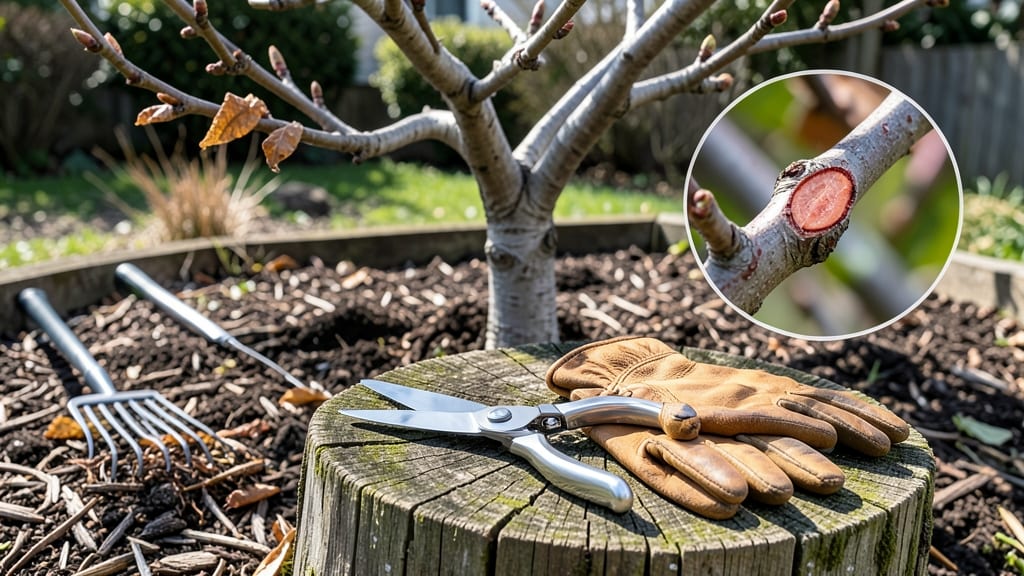
To prune a pomegranate tree for stronger fruit production, late winter is your golden window—just as buds begin to swell but before new growth starts.
Picture this: You skip the timing, and your 🍇 pomegranate tree either bleeds sap in cold snaps or misses its flowering cue. That’s why late winter—after the worst frost but before spring’s rush—is the sweet spot for shaping your tree without stressing it.
In USDA Zone 6a, that means pruning between mid-February and early March, when days lengthen but nights stay chilly. Too early, and you risk frost damage; too late, and you cut off next season’s blooms.
Below, I’ll walk you through the exact steps, tools, and regional tweaks to prune for healthier branches, better airflow, and a bounty of fruit—without the common mistakes that leave trees looking ragged.
Best late winter pruning timeline for pomegranate trees
Late winter is the golden window for pruning your pomegranate tree, but timing matters more than you might think. Pruning too early risks frost damage to fresh cuts, while waiting too long delays spring growth and fruit production.
The key is to prune after the last expected frost but before bud break, typically between mid-February and early March in most regions.
Why late winter? This timing allows your tree to heal quickly before the growing season kicks in, while removing weak or diseased branches that could sap energy. It also opens up the canopy for sunlight, which is critical for flowering and fruit development later in the year.
Think of it as giving your tree a clean slate to focus its energy where it counts.
Here’s the month-by-month breakdown of when to prune, including adjustments for cold vs. mild climates. Use this as your pruning calendar to avoid common mistakes and maximize your harvest.
If you’re in a mild winter zone (like Southern California or Florida), you can prune as early as late January. Focus on removing dead or crossing branches first—these are the easiest to spot and won’t affect your tree’s dormancy.
In colder regions (Zones 6-7), wait until mid-February to ensure no surprise frosts are coming. Always check your local frost dates for the safest window.
One critical mistake gardeners make is pruning too aggressively. Pomegranate trees are hardy but not invincible—removing more than 25-30% of the canopy in one go can stress the tree.
Instead, aim for moderate pruning: thin out overcrowded branches and shape for sunlight access. This encourages stronger flowering on the remaining branches, leading to bigger, juicier fruit.
Pay special attention to watering after pruning. Your tree will need extra moisture to heal cuts and recover. Water deeply once a week for the first month post-pruning, and avoid fertilizing until new growth appears in spring.
This balance helps your pomegranate tree recover faster and prepare for flowering.
Young pomegranate trees (under 3 years old) need gentler pruning—focus on removing only dead or damaged wood and shaping the basic structure. Avoid heavy pruning until the tree is well-established, as this can delay fruit production.
For mature trees, prioritize airflow and sunlight by thinning out dense inner branches and opening the center.
Watch for bud swell as a signal to stop pruning. Once you see green buds forming, it’s time to put away the shears. Pruning after this point can damage emerging flowers and reduce your next year’s harvest.
Think of bud swell as your final deadline—miss it, and you’ll have to wait another year for optimal results.
Pro tip: Disinfect your pruners between cuts with rubbing alcohol to prevent spreading disease. Pomegranate trees are susceptible to bacterial blight, so clean tools are a non-negotiable for healthy growth.
Also, sterilize cuts with a copper fungicide if you’re removing infected branches—this extra step can save your tree from long-term damage.
Finally, celebrate your pruned tree! With the right timing, you’ll see lush new growth by spring and abundant flowers by summer. Remember, patience is key—pomegranate trees take 2-3 years to bear fruit after pruning, but the effort pays off with years of delicious harvests. Happy pruning! ✂️🌱
Step-by-step pruning techniques for fruit production
Pruning your pomegranate tree isn’t just about removing dead branches—it’s about sculpting a structure that maximizes sunlight exposure and airflow for bigger, juicier fruits. Start by focusing on the three C’s: crossing branches, crowded growth, and compromised limbs.
These are the first to go, as they compete for energy and block light from reaching the center.
Use a sharp, sterile pruning shears to make clean cuts at a 45-degree angle, just above a bud or lateral branch. This encourages new growth in the right direction.
Avoid leaving stubs, as they invite disease and slow healing. For thicker branches, use loppers or a pruning saw, but never tear bark—it exposes the tree to pests.
⚠️ WARNING: Prune at the Wrong Time and Risk Poor Fruit Set
Next, prioritize vertical branches over horizontal ones. Horizontal branches produce more fruit, while vertical ones often become weak and woody. Thin out suckers (shoots at the base) and water sprouts (fast-growing vertical shoots)—these drain energy from fruit-bearing wood.
Aim to keep the tree’s open-center shape, with sunlight penetrating to the core where most flowers form.
For young pomegranate trees (under 3 years), focus on establishing a strong framework. Remove up to 25% of the canopy to encourage a sturdy scaffold. In mature trees, limit pruning to 15-20% of the foliage per year to avoid stress.
Always prune outward-facing buds to direct growth away from the center, improving airflow and reducing fungal risks like alternaria.
After pruning, sanitize your tools with rubbing alcohol to prevent spreading disease. Apply a wound sealant (like pruning paste) only to cuts larger than ½-inch—smaller cuts heal faster on their own.
Finish by watering deeply and adding a 2-inch layer of mulch around the base to retain moisture and regulate soil temperature.
With the right cuts, your pomegranate tree will reward you with denser foliage, more sunlit branches, and a bountiful harvest next fall. The key is patience—prune gradually over years, never more than 20% of the canopy in a single session.
Your tree will thank you with healthier growth and sweeter fruit. 🍇✂️🌿