
Pruning
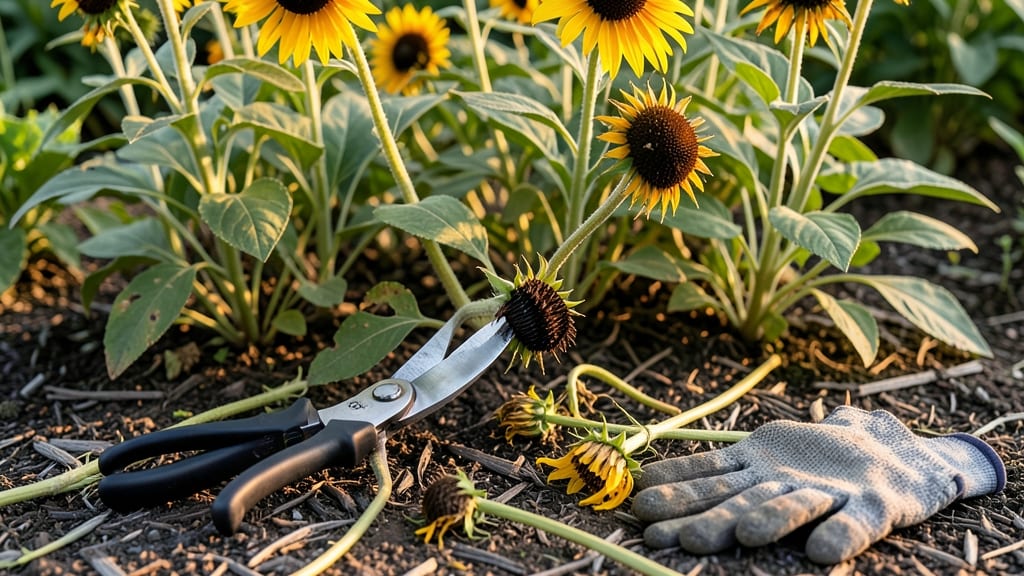
To prune rudbeckia, trim in late winter or early spring before new growth appears, or deadhead faded blooms throughout summer to prolong flowering. Never cut back to the ground unless reviving old plants in early spring.
Timing matters because rudbeckia plants store energy in their roots during dormancy, and pruning too early disrupts this process. 🌱 Late winter or early spring cuts stimulate fresh growth by removing dead foliage while preserving the plant's energy reserves.
Deadheading—snipping off spent blooms—redirects the plant's focus from seed production back to producing more flowers, often extending the blooming season by several weeks.
For best results, use clean, sharp pruners to avoid damaging stems. If you're dealing with overgrown perennials, wait until late winter when the plant is fully dormant but before active growth begins.
This gives your rudbeckia a strong start for the season. Annual varieties, on the other hand, can be cut back more aggressively as they don't rely on stored energy.
💡 In This Article
- Rudbeckia Pruning Timeline: Seasonal Growth Cycles Explained
- Step-by-Step Rudbeckia Pruning Techniques by Type
Rudbeckia pruning timeline: seasonal growth cycles explained
Rudbeckia's growth follows a precise seasonal rhythm, making timing everything. These hardy perennials enter dormancy in late fall when temperatures drop below 40°F, storing energy in their roots for spring regrowth.
Pruning too early—before this dormancy period—disrupts their natural energy reserves, leaving them vulnerable to frost damage or weak new growth. The ideal window is late winter (February-March in most climates) or early spring (just as shoots emerge), when the plant is still dormant but before active growth begins.
This timing works because rudbeckia forms flower buds along its stems during dormancy. Cutting back too early removes these potential blooms before they've had a chance to develop. For example, Rudbeckia fulgida (black-eyed Susan) forms buds in late winter, while Rudbeckia hirta (brown-eyed Susan) buds slightly later.
Waiting until you see 2-3 inch shoots ensures you're cutting only dead foliage while preserving the plant's energy for new growth. The goal is to remove last year's dead stems while leaving the crown intact.
Deadheading during summer follows a different mechanism—it's about redirecting the plant's energy. When you remove spent blooms (those with brown centers), you're signaling the plant to stop producing seeds and focus instead on creating new flowers.
Studies show this can extend the blooming season by 4-6 weeks, especially in warm climates. The key is to cut just above the next set of leaves or side buds, which stimulates lateral growth.
For tall varieties like Rudbeckia laciniata, this also improves structural integrity by removing heavy seed heads.
Frost plays a critical role in this timing. Rudbeckia's natural dormancy is triggered by cold temperatures, which help harden the plant's tissues. Pruning before a hard frost (-10°F) can expose tender new growth to damage.
In warmer winter regions (Zones 8-10), you might delay pruning until early spring to avoid this risk. The plant's ability to rebound depends on these natural cycles—rushing the process can lead to leggy growth or reduced flowering.
Consider these seasonal cues for optimal timing:
- Late Winter: Prune when soil is workable but before shoots emerge (typically 4-6 weeks before last frost)
- Early Spring: Wait until 2-3 inch shoots appear, then cut back to 1-2 inches above ground
- Summer Deadheading: Remove faded blooms every 1-2 weeks during peak bloom season
- Fall Cleanup: Only remove dead foliage after first frost to protect overwintering buds
The payoff for proper timing is dramatic. Well-timed pruning can result in 30-50% more blooms by removing energy drains (dead stems, seed heads) while preserving the plant's natural growth rhythms. This approach transforms rudbeckia from a one-season showstopper to a continuous bloomer from early summer through fall. 🌿