
Pruning
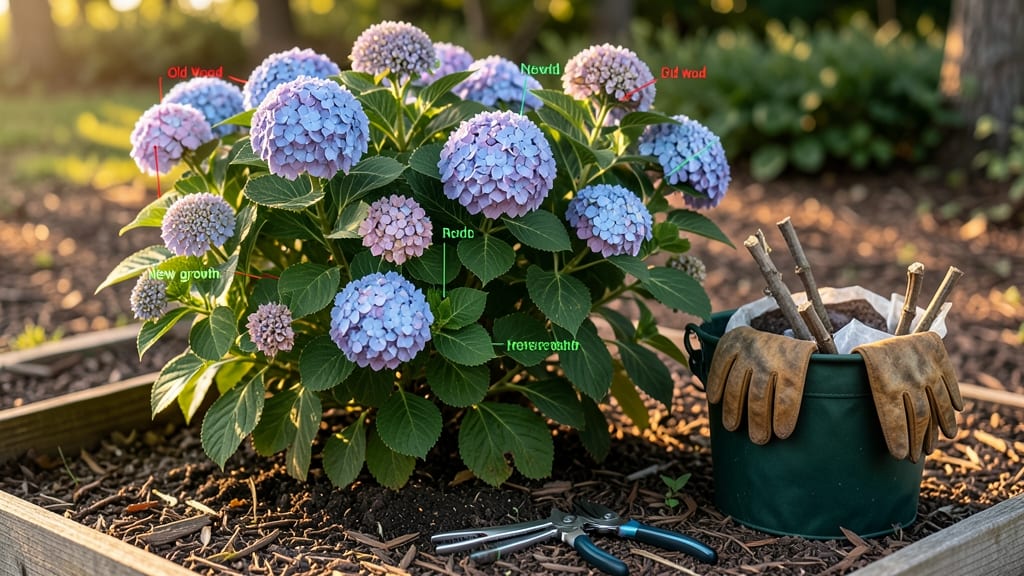
Are you supposed to prune hydrangeas? The answer is a resounding yes—it’s the secret to those showstopping blooms every summer. 🌸 I’ve watched my own hydrangeas go from scraggly to spectacular after learning the right timing and cuts, and the difference is night and day.
The key? Knowing whether your plant blooms on old wood, new wood, or both—and pruning at the wrong time can mean no flowers at all.
Most gardeners mess this up by pruning too late or too aggressively, which can strip away next year’s blooms. For old-wood types like bigleaf hydrangeas, you wait until late winter or early spring—just as buds begin to swell.
New-wood types (like panicle or smooth hydrangeas) get pruned in late winter or early spring, but you can also trim them lightly after flowering to shape them up. The tools matter too: sharp bypass pruners make clean cuts that heal faster.
What you’ll end up with is a bush that looks neater, blooms bigger, and stays healthier for years. I’ve seen hydrangeas that went from sparse, leggy plants to lush, flower-covered shrubs in just one season after proper pruning.
The best part? Once you get the timing right, it’s a 10-minute job that pays off all summer long.
Here’s where it gets interesting—some hydrangeas bloom on both old and new wood, so you’ve got to be extra careful. And if you’re in a warm climate, your timing might shift slightly.
Let’s break down exactly how to tell which type you’ve got and when to make your cuts without ruining next year’s show.
📚 In This Guide
- What you need
- Instructions
- Tips and common mistakes
- Wrapping up and next steps
What you need
- ● Bypass pruners – Sharp, clean pruners (4-6 inch blades) for clean cuts on smaller stems.
- ● Loppers – For thicker branches (8-12 inch blades), ideal for hydrangeas with woody stems.
- ● Hand pruners – A backup pair for precision work (especially if you’re pruning in tight spaces).
- ● Gloves – Heavy-duty gardening gloves (water-resistant) to protect against thorns and sap.
- ● Disinfectant (70% isopropyl alcohol or bleach solution) – 1 part bleach to 9 parts water to sterilize tools between cuts.
- ● Rubbing alcohol or hand sanitizer – To clean your hands before and after pruning.
- ● Trash bag or bucket – For collecting pruned branches and debris.
- ● Hydrangea-specific fertilizer – A balanced, slow-release fertilizer (10-10-10 or similar) to replenish nutrients after pruning.
- ● Mulch (shredded bark or pine straw) – To protect the base of the plant and retain moisture.
- ● Plant marker or labels – If you’re pruning multiple hydrangea varieties, label them to avoid confusion.
- ● Knee pads or stool – For comfort if your hydrangeas are tall or ground-level pruning is needed.
- ● Hose or water spray bottle – To rinse off sap or debris from tools and hands.
How to prune hydrangeas for maximum blooms
Pruning hydrangeas feels intimidating, but timing and technique make all the difference. Here’s the exact method I use to keep my shrubs healthy and flowering like crazy.
⏰ Step 1: Identify Your Hydrangea Type First
Not all hydrangeas bloom the same way, and pruning at the wrong time can mean no flowers. Bigleaf hydrangeas (Hydrangea macrophylla) produce blooms on old wood—last year’s growth—so you prune right after they finish flowering. If you cut back too early, you’ll sacrifice next year’s blooms.
On the other hand, panicle (Hydrangea paniculata) and smooth (Hydrangea arborescens) hydrangeas bloom on new wood, so you can prune in late winter or early spring. I always check the flower buds: if they’re still tight and green, it’s safe to prune. If they’re already swollen or open, wait until after blooming season.
✂️ Step 2: Prune at the Right Time for Old-Wood Bloomers
For bigleaf hydrangeas, prune right after blooms fade—usually late summer to early fall (August to September). This gives the plant time to set next year’s flower buds before winter dormancy. Never prune in late fall or winter, as you’ll remove next year’s blooms before they even form.
Use clean, sharp pruners to cut back last year’s stems by about one-third of their length. Focus on removing dead, diseased, or weak stems first, then shape the plant by thinning out crowded branches. You’ll see new growth emerging from the base in early spring—that’s your signal the plant is recovering.
⏰ Step 3: Renew and Shape New-Wood Bloomers
Panicle and smooth hydrangeas thrive when pruned in late winter or early spring (February to March), just as new growth begins. This encourages vigorous new shoots that will produce this year’s flowers. Cut back one-third to one-half of the plant’s height, removing old, woody stems at the base.
For a fuller shape, trim back a few stems by half rather than cutting everything evenly. This creates a natural tiered look and prevents a flat, leggy appearance. Watch for new buds forming along the stems—these will become this season’s blooms.
🌿 Step 4: Clean Up and Maintain Year-Round
After pruning, remove all debris from the area to prevent pests and diseases from overwintering. I always sterilize my pruners with rubbing alcohol between cuts to avoid spreading pathogens. In early spring, give your hydrangeas a light layer of mulch (2-3 inches) to retain moisture and regulate soil temperature.
Water deeply once a week during dry spells, keeping the soil evenly moist but not soggy. Overwatering can lead to root rot, while underwatering causes buds to dry out. You’ll know you’re on track when the plant shows fresh, vibrant green leaves by mid-spring and plump flower buds forming by early summer.
✂️ Step 5: Deadhead and Shape Mid-Season
For all hydrangea types, deadhead spent blooms throughout the season to encourage more flowers. Simply snip off the faded flower heads just above a set of leaves or a bud. This redirects the plant’s energy into producing new blooms instead of seeding.
If your hydrangea looks leggy or overgrown, do a light shaping trim in early summer. Just remove a few stems at a time to maintain balance. Avoid heavy pruning after mid-summer—it can stunt flower development for the following year. A well-pruned hydrangea will reward you with bold, abundant blooms from early summer through fall.
Tips & tricks for pruning hydrangeas like a Pro
Took me years to figure out these pruning secrets—here’s how to avoid the mistakes that ruined my first few hydrangeas. The difference between a healthy, blooming bush and a sad, bare one often comes down to these simple but critical details.
Timing is Everything: For bigleaf hydrangeas, I mark my calendar for late August to early September—right after those stunning blooms fade. This timing gives the plant time to set next year’s flower buds before winter. If you prune too early, you’ll lose next year’s blooms. Pro tip: Set a phone reminder for your specific hydrangea type—old wood bloomers need that late-summer window, while new wood types wait until late winter.
The One-Third Rule: When pruning old wood bloomers, never cut back more than one-third of the plant’s height. This might seem counterintuitive, but drastic cuts can shock the plant and reduce next year’s blooms. For new wood types, you can be slightly more aggressive—up to one-half—but always focus on removing the oldest, woodiest stems first. Think of it like giving your hydrangea a haircut that leaves room for growth.
Tool Prep Matters: I sterilize my pruners with rubbing alcohol between each cut—this prevents spreading diseases that can devastate your plant. Also, make sure your pruners are sharp! Dull blades crush stems instead of cleanly cutting them, which invites infection. I keep a small bottle of rubbing alcohol in my gardening caddy specifically for this purpose. A little prep now saves hours of cleanup later if your plant gets sick.
Seasonal Maintenance Wins: After your main pruning, don’t forget the mid-season deadheading. Simply snip off faded blooms just above a set of leaves or bud. This redirects the plant’s energy into producing more flowers instead of seeds. I do this every couple of weeks throughout summer, and my hydrangeas always look fuller and more vibrant as a result. It’s like giving your plant a little energy boost every few weeks.
Pro Tips for Are You Supposed To Prune Hydrangeas
- Took me years to figure out these pruning secrets—here’s how to avoid the mistakes that ruined my first few hydrangeas.
- Timing is Everything: For bigleaf hydrangeas, I mark my calendar for late August to early September—right after those stunning blooms fade.
- The One-Third Rule: When pruning old wood bloomers, never cut back more than one-third of the plant’s height.
Frequently asked questions
Got questions about pruning hydrangeas? You’re not alone! Here are the answers to the most common concerns—so you can prune with confidence and keep your blooms looking their best.
When is the best time to prune hydrangeas?
The answer depends on your hydrangea type! For bigleaf and oakleaf varieties, prune in late winter or early spring (before new growth starts). Panicle and smooth hydrangeas can handle pruning in late winter or early spring too—but you can also trim them in summer after flowering. Always avoid pruning in fall for most types.
Do I need to prune hydrangeas every year?
Not necessarily! Only prune if your plant is overgrown, leggy, or not blooming well. Healthy hydrangeas may only need light shaping every 2–3 years. Over-pruning can stress the plant, so less is often more—especially for older shrubs.
What if I prune at the wrong time?
Mistakes happen! If you prune bigleaf or oakleaf hydrangeas in fall or winter, you might remove next year’s flower buds (they form on old wood). For panicle or smooth types, late pruning can reduce blooms but won’t kill the plant. Just avoid heavy cuts and focus on shaping.
How do I prune hydrangeas if they’re not blooming?
Check your hydrangea type first! For old wood bloomers (bigleaf/oakleaf), prune only dead or crowded branches—never cut back more than ⅓. For new wood bloomers (panicle/smooth), prune back by ⅓ in late winter to encourage fresh growth. If blooms are sparse, also check for sunlight, water, or soil issues.
Can I prune hydrangeas in summer?
Yes—but with caution! Only panicle and smooth hydrangeas can handle summer pruning (they bloom on new wood). Trim after flowering to shape or reduce size. Avoid heavy cuts, as it may delay fall blooms. For other types, wait until dormancy to prune.
What tools do I need for pruning?
Grab these essentials:
- Bypass pruners (for clean cuts on small stems)
- Loppers (for thicker branches, up to 1.5 inches)
- Gloves (hydrangeas have sharp edges!)
- Disinfectant (rubbing alcohol or bleach solution to prevent disease)
- Sharpie or tape (to mark cuts if needed)
Pro tip: Always sterilize tools between cuts to avoid spreading bacteria or fungus!
Wrapping up and next steps
Pruning hydrangeas might seem tricky, but with the right timing—late winter or early spring for most types—and a few simple techniques, you’ll keep your blooms lush and vibrant. Remember: always use sharp tools, avoid over-pruning, and know your variety! Now that you’re armed with the know-how, grab those shears and give your hydrangeas the care they deserve. Next up? Head outside and watch your garden flourish! 🌸✂️