
Pruning
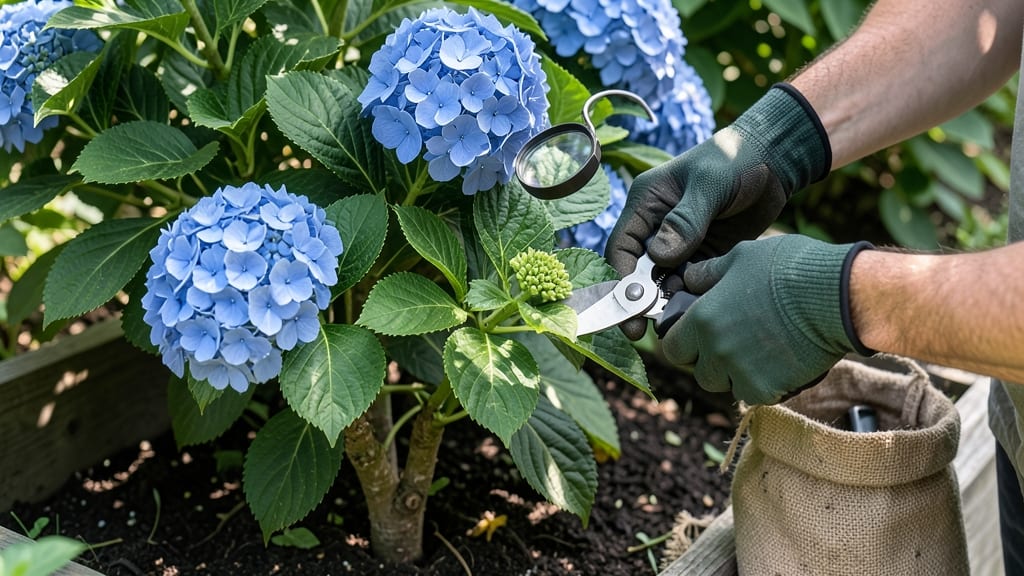
Pruning flowering shrubs isn’t just about shaping—it’s about unlocking their full potential. ✂️ I’ve learned the hard way that timing and technique make the difference between a bush that blooms like crazy and one that struggles to recover.
The key is understanding whether your shrub flowers on old wood (like lilacs) or new growth (like hydrangeas), because that dictates when you prune—and how aggressively.
Most shrubs need just three tools: sharp bypass pruners, loppers for thicker stems, and a clean saw for stubborn branches. Start by removing dead, diseased, or crossing wood first—this keeps air flowing and prevents future problems.
Then, focus on thinning out crowded branches to let sunlight reach the center, where blooms often form. Think of it like giving your shrub a spa day: less clutter means more energy for vibrant flowers.
When done right, pruning transforms your shrubs into healthier, more productive plants. Your hydrangeas will develop fuller blooms, roses will burst with color, and lilacs will reward you with fragrant clusters for years.
The secret isn’t cutting back more—it’s cutting smart, at the right time, and with confidence. Even a few well-placed cuts can make a world of difference by next spring.
This method works for hydrangeas, roses, lilacs, and more, whether you’re working with mature shrubs or young plants. The principles stay the same—just adjust the timing and intensity based on the type.
Ready to give your shrubs the care they deserve? Let’s get started with the right approach for your specific plants.
📚 In This Guide
- What you need
- Instructions
- Tips and common mistakes
- Wrapping up and next steps
What you need
- ● Pruning shears – Bypass pruners (sharp, clean blades for clean cuts) for small branches (1/4"–3/4" thick). Required quantity: 1 pair.
- ● Loppers – Bypass or anvil type (for branches 3/4"–2" thick). Required quantity: 1 pair.
- ● Pruning saw – Hand saw with curved blade for thicker branches (2"–4" thick). Required quantity: 1.
- ● Garden gloves – Heavy-duty, cut-resistant (to protect hands from thorns or sharp branches). Required quantity: 1 pair.
- ● Disinfectant – Rubbing alcohol (70%+) or bleach solution (1 part bleach to 9 parts water) (to sterilize tools and prevent disease spread). Required quantity: Small bottle or spray.
- ● Hand pruners with ratcheting mechanism – For those with arthritis or weaker grip.
- ● Extension pole pruners – For high or hard-to-reach branches.
- ● Sharpener/file – To keep blades in top condition between uses.
- ● Marking twine or flags – To tag branches for future reference (helpful for large shrubs).
- ● Clean rags or paper towels – For wiping tools and hands after pruning.
Step-by-step instructions for pruning flowering shrubs
Here's the method I rely on to keep flowering shrubs healthy and blooming their best.
✂️ Step 1: Identify the Right Time to Prune
Timing matters most for flowering shrubs. Prune right after blooming for spring-flowering varieties like lilacs, forsythia, or azaleas. This ensures next year's buds form properly. For summer-blooming shrubs like hydrangeas or butterfly bush, wait until late fall or early winter when the plant enters dormancy.
I always check the bloom cycle first—if flowers appear on old wood (last year's growth), prune after they fade. If they bloom on new wood (current season's growth), prune in late winter or early spring. Skipping this step can mean fewer flowers next season.
✂️ Step 2: Gather Tools and Prepare for Clean Cuts
Use sharp, clean pruning shears for small branches and loppers for thicker stems. I disinfect my tools with rubbing alcohol between cuts to prevent spreading disease. Wearing gloves protects against thorns and sap irritation.
Remove any dead, diseased, or crossing branches first. These are easy to spot—they're brown, brittle, or growing inward. Cut back to a healthy outward-facing bud or branch. This opens up the shrub's center for better airflow and light penetration.
✂️ Step 3: Shape and Thin the Shrub
Step back and visualize the shrub's natural shape. I aim for an open, vase-like form that allows light to reach the center. Cut branches back to just above a bud facing outward or a side branch. Avoid cutting into older wood unless necessary—it slows regrowth.
Thin out crowded branches by removing one-third of the oldest stems at the base. This encourages new growth and prevents the shrub from becoming top-heavy. For larger shrubs, I make cuts at a 45-degree angle about ¼ inch above the bud to prevent water from pooling.
✂️ Step 4: Clean Up and Monitor Growth
After pruning, rake up and dispose of all debris—this prevents pests and diseases from overwintering. I water the shrub deeply to help it recover, especially if I've made heavy cuts. Avoid fertilizing right after pruning; wait until new growth appears.
Watch for new shoots emerging from the pruned areas. If the shrub looks stressed, it's normal—just give it time. Within a few weeks, you'll see stronger, more vibrant growth. I mark my calendar to prune again next year at the same time to maintain the shape.
⏰ Step 5: Adjust for Different Shrub Types
Some shrubs, like boxwoods, need minimal pruning—just a light shaping every few years. Others, like spirea, can handle heavier cuts. I research each shrub's specific needs before pruning. For example, hydrangeas bloom on new wood, so I prune them back by one-third in late winter.
If a shrub isn't blooming well, I check my pruning timing first. Over-pruning or cutting at the wrong time can reduce flowering. The key is balance—remove enough to keep the shrub healthy, but not so much that it struggles to recover.
Tips & tricks for pruning flowering shrubs
Here's what nobody tells you about pruning—these are the tricks that'll keep your shrubs thriving for years.
Timing is Everything: The key to next year's blooms lies in this step: for spring bloomers like lilacs, prune immediately after flowers fade—don't wait until summer. I've seen gardeners miss this and end up with half the blooms the following season. For summer bloomers like hydrangeas, wait until late fall when the plant is dormant. This ensures you're not cutting off next year's flower buds.
Tool Prep Prevents Problems: I learned this the hard way after ruining three batches of tools—always disinfect your pruning shears between cuts with rubbing alcohol. This prevents spreading bacterial diseases from infected branches to healthy ones. And here's a pro move: sharpen your blades before you start. Dull tools crush stems instead of making clean cuts, which stresses the plant and invites infections.
Shape with Purpose: When shaping in Step 3, think of your shrub as an open vase. Cut branches back to just above an outward-facing bud to encourage new growth in the right direction. I like to visualize an upside-down triangle—this creates a sturdy structure that won't topple. For larger shrubs, those 45-degree angle cuts about ¼ inch above the bud are crucial—they prevent water from pooling and rotting the wound.
Recovery Matters More Than You Think: After pruning, resist the urge to fertilize immediately. The plant needs time to recover from the stress of cutting. I water deeply instead, which helps the roots re-establish themselves. Watch for new shoots emerging—these are your plant's way of telling you it's healing. If you see none after a few weeks, that's your cue to check your pruning timing or technique.
Pro Tips for Prune Flowering Shrubs
- Here's what nobody tells you about pruning—these are the tricks that'll keep your shrubs thriving for years.
- Timing is Everything: The key to next year's blooms lies in this step: for spring bloomers like lilacs, prune immediately after flowers fade—don't wait until summer.
- Tool Prep Prevents Problems: I learned this the hard way after ruining three batches of tools—always disinfect your pruning shears between cuts with rubbing alcohol.
Frequently asked questions
Got questions about pruning flowering shrubs? You’re not alone! Here are answers to the most common concerns—so you can prune with confidence and keep those blooms coming back stronger.
When is the best time to prune flowering shrubs?
Timing depends on your shrub’s blooming habit! Prune spring-bloomers (like lilacs or forsythia) right after they flower—this encourages next year’s buds. For summer/fall bloomers (e.g., hydrangeas or abelia), prune in late winter or early spring before new growth starts. Always avoid pruning in fall unless your shrub is late-season bloomer.
How much can I cut back a flowering shrub?
Never remove more than 1/3 of the shrub’s total growth in one season—this prevents stress. For overgrown shrubs, spread pruning over 2–3 years. Focus on dead, diseased, or crossing branches first, then shape lightly. If you’re unsure, err on the side of caution and prune less!
What if I prune at the wrong time?
Mistakes happen! If you prune a spring-bloomer too late (after buds form), you might sacrifice next year’s flowers—but don’t panic. Most shrubs recover. For severe cuts, fertilize lightly and water well. Repeat the correct timing next year, and your shrub will bounce back with healthier growth.
Can I prune flowering shrubs in winter?
Yes, but with caution! Dormant-season pruning (late winter) is ideal for many shrubs (like roses or butterfly bush), as it’s easier to see the structure. Avoid pruning in freezing temps or during hard frosts. If your area has mild winters, wait until just before spring growth starts for best results.
How do I encourage more flowers after pruning?
For bigger, bushier blooms, prune to open up the center of the shrub—this improves airflow and sunlight. Thin out crowded branches and cut just above a leaf bud (not stubs). After pruning, feed with a balanced fertilizer (like 10-10-10) to support new growth. Patience pays off—consistent pruning trains shrubs to flower more vigorously!
Wrapping up and next steps
Pruning flowering shrubs doesn’t have to be intimidating—it’s all about timing, technique, and a little patience. 🌸 By understanding when to trim (before blooming or after flowering) and how to shape your shrubs with clean cuts, you’ll encourage lush, vibrant blooms for seasons to come.
Now that you’re armed with the know-how, grab those shears and get pruning!
Ready for even more gardening success? Experiment with different shrubs or dive into advanced pruning tips to keep your landscape thriving year-round.