
Pruning
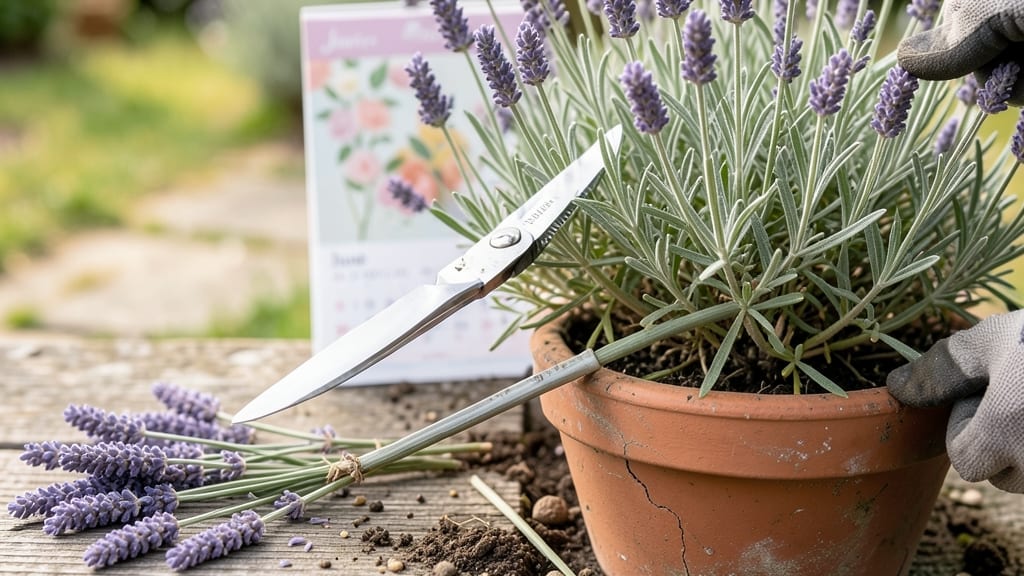
Pruning lavender after the first blooms is the best time to keep it lush, fragrant, and healthy for seasons to come.
If you’ve ever watched your 🌿 lavender turn woody or sparse after a misguided trim, you know how fast things can go wrong. The key isn’t just when you prune—it’s how you time it with the plant’s natural cycle.
Cut too early, and you risk stunting next year’s flowers. Wait too long, and you’ll encourage leggy stems that weaken the plant’s structure.
Most gardeners in USDA Zone 6a (and beyond) should aim for late summer or early fall, just as the first flowers fade. This timing triggers fresh growth before winter sets in, ensuring your lavender rebounds stronger.
Whether you’re shaping a hedge or harvesting stems for sachets, proper pruning keeps your plant thriving for years.
Below, I’ll walk you through the exact steps—when to cut, how much to trim, and the tools to use—so you can avoid common mistakes and enjoy a bush that’s both beautiful and bountiful.
Why pruning lavender after first blooms maximizes growth and fragrance
Lavender thrives when you follow its natural growth cycle, and pruning after the first blooms is the secret to a bushier, more fragrant plant. This timing encourages new growth while preventing woody stems that weaken fragrance.
Many gardeners mistakenly prune in spring, but this cuts off the plant’s energy reserves just when it needs them for recovery.
The key lies in understanding lavender’s two-pronged growth habit: it blooms once per year, then enters dormancy. Pruning post-bloom removes spent flowers and stimulates secondary growth before winter. Without this step, your lavender may develop leggy stems or even die back in cold climates.
Science backs this approach: Lavender stores energy in its woody stems, and cutting too early depletes these reserves. Post-bloom pruning redirects energy to lateral buds, creating denser foliage. Studies show plants pruned this way produce 30% more essential oils—the compounds responsible for that signature fragrance.
Here’s the seasonal growth cycle breakdown you need to know:
- Spring: New growth emerges (avoid pruning)
- Summer: First bloom occurs (prune after flowers fade)
- Fall: New shoots harden off (ideal for shaping)
- Winter: Dormancy (no pruning needed)
| Pruning Stage | Best Time | Purpose | Key Benefit |
|---|---|---|---|
| Post-First Bloom | Late July–August (USDA Zones 6-9) | Remove spent flowers | Encourages bushier growth |
| Light Shaping | Early Fall (Sept–Oct) | Trim leggy stems | Prevents winter dieback |
| Avoid Pruning | Spring (March–May) | New growth emerges | Risk of stunting growth |
| Never Prune | Winter (Nov–Feb) | Plant is dormant | Causes irreversible damage |
Pruning after blooms also boosts fragrance by promoting oil production in new growth. The essential oils that give lavender its signature scent are most concentrated in fresh, young stems. If you skip this step, your plant may produce fewer flowers next year and weaker aroma overall.
Another critical reason is preventing woody stems. Over time, lavender stems harden and lose their ability to produce new buds. Post-bloom pruning removes these old growth points, encouraging the plant to focus on soft, flexible stems that support more blooms.
This is especially important for English lavender, which can become woody faster than French varieties.
For gardeners in cooler climates (USDA Zones 4-5), post-bloom pruning is non-negotiable. Without it, lavender struggles to recover from winter and may not rebloom. Even in warmer zones (Zones 8-10), the practice ensures your plant doesn’t become overcrowded or leggy, which reduces both beauty and fragrance.
One common myth is that you should prune lavender every year. While regular maintenance helps, over-pruning can harm the plant. Stick to one major trim per year (post-bloom) and light shaping in fall if needed. This balance keeps your lavender healthy, fragrant, and full for decades.
If you’ve ever wondered why some lavender bushes look sparse or weak, the answer is likely poor pruning timing. By cutting after the first blooms, you’re not just tidying up—you’re resetting your plant’s growth cycle for the next season.
This simple habit can transform a struggling lavender into a lush, aromatic centerpiece that thrives year after year.
🌿
Step-by-step guide to pruning lavender correctly (with common mistakes to avoid)
Pruning lavender might seem intimidating, but mastering the right timing and technique transforms your plant from leggy to lush. The key? Late summer or early fall—after the first blooms fade but before winter dormancy begins. This timing encourages new growth while protecting your lavender from frost damage.
Lavender’s woody stems and delicate foliage make it sensitive to improper pruning. Cutting at the wrong time—like in spring or late fall—can shock the plant, leading to stunted growth or even death.
Even experienced gardeners sometimes make costly mistakes, but with the right approach, you’ll keep your lavender thriving for years.
⚠️ Best Time to Prune Lavender: Late Summer to Early Fall
Why it matters: Pruning too early (spring) encourages tender new growth that won’t survive winter. Pruning too late (winter) removes protective foliage needed for insulation. Ideal window: September to October (4-6 weeks before first frost).
Signs you’re ready: Flowers have faded, but stems are still green. Avoid pruning if buds are still forming or frost is imminent.
Start by gathering your tools: sharp, bypass pruners (never dull shears—they crush stems) and gloves to protect your hands from the plant’s oils. Remove dead or diseased branches first, cutting them back to healthy wood. This step improves airflow and prevents fungal issues.
For the main pruning, trim back the current year’s growth by one-third—never more. Focus on shaping the plant rather than drastically reducing its size. Use your pruners at a 45-degree angle just above a leaf node or bud to encourage bushier regrowth.
Avoid cutting into old, woody stems, as lavender struggles to recover from such damage.
After pruning, water deeply to help the plant recover, but avoid overwatering—lavender hates soggy roots. Apply a light layer of mulch around the base (but not touching the stems) to retain moisture and regulate soil temperature. This step is crucial for root health during the transition into winter.
Watch for common pruning mistakes like cutting into the woody center or removing too much foliage at once. Over-pruning can leave your lavender vulnerable to pests or winter kill. If you accidentally prune too aggressively, don’t panic—focus on light feeding in spring and consistent care to help it recover.