
Pruning
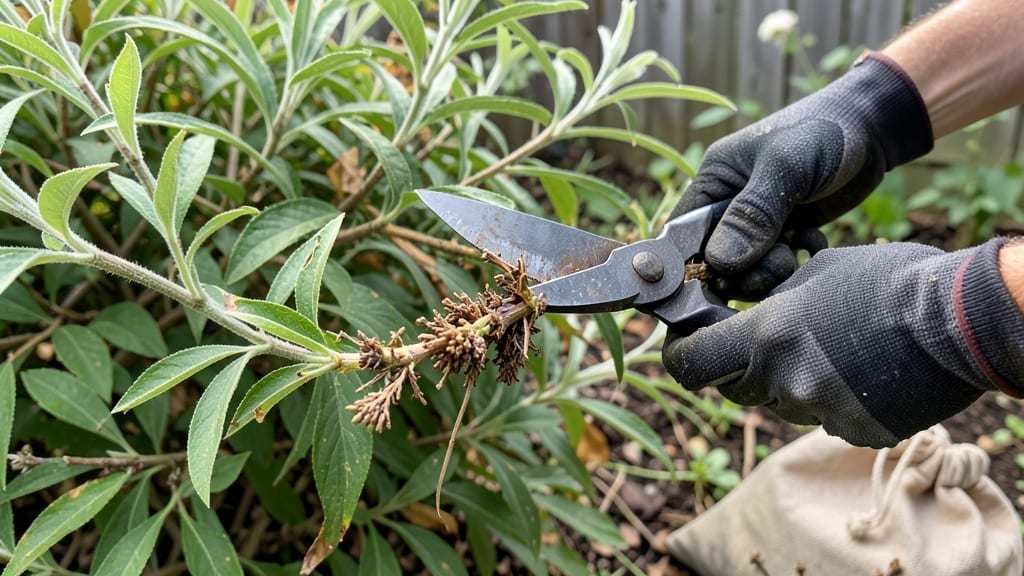
Pruning buddleia butterfly bush transforms a leggy mess into a pollinator magnet by late February—and the secret lies in three sharp cuts that force fresh growth. ✂️ After years of watching my bushes sprawl into unruly tangles, I finally cracked the code: prune back to 12-18 inches from the ground, then repeat in stages to avoid shocking the plant.
The right tools make all the difference: bypass pruners for clean cuts, loppers for thicker stems, and disinfectant to prevent disease spread. Most importantly, never prune in fall—you’ll cut off next year’s blooms before they form.
I learned that the hard way when my bushes went dormant with half their stems still intact. By mid-spring, you’ll see new shoots bursting within weeks, and those vigorous stems will produce double the flowers—the kind that keep monarchs and hummingbirds hovering all summer.
The key is patience: each cut encourages bushier growth, not just more height. Works for all buddleia varieties, from dwarf types to towering giants. Here’s exactly how to do it without a single dead branch left behind.
📚 In This Guide
- What you need
- Instructions
- Tips and common mistakes
- Wrapping up and next steps
What you need
- ● Pruning shears or loppers – Choose sharp, bypass-pruners (4-6 inch blades) for clean cuts. For thicker stems (over 1 inch), opt for loppers (8-10 inch handles). Disinfect blades with rubbing alcohol before and after use to prevent disease spread. 🌿
- ● Gloves – Wear gardening gloves (heavy-duty, cut-resistant) to protect against thorns and sap irritation.
- ● Pruning saw – For thick, woody stems (over 2 inches), a curved pruning saw ensures precision without tearing.
- ● Garden twine or zip ties – Useful for tying up large branches before cutting to prevent damage.
- ● Rake or broom – Clears debris after pruning to keep your workspace tidy.
- ● Compost bin or bag – Collect pruned branches for composting (unless diseased—then dispose of them in yard waste).
- ● Hand pruners with a crimping tool – Helps seal larger cuts to reduce sap loss.
- ● Pruning sealant – Apply to large cuts (over ½ inch) to prevent infection.
- ● Ladder or step stool – For tall buddleias (6+ feet), ensure stability when reaching high branches.
- ● Marking spray or paint – Helps identify dead or diseased branches before cutting.
- ● Safety goggles – Protects eyes from debris, especially when using a pruning saw.
How to prune a buddleia butterfly bush for maximum blooms
Here's the foolproof method I use every year to keep my butterfly bush thriving and packed with flowers.
✂️ Step 1: Cut Back Old Wood in Late Winter
Grab your sharp pruners and wait until late winter when the plant is still dormant but the ground isn't frozen. I aim for February or March in my zone, right before new growth starts. The goal here is to remove last year's flower stems—they're the ones that look woody and bare.
Make your cuts just above a pair of healthy buds that point outward from the center. This encourages new growth that will branch outward, creating a fuller plant. I like to cut back about ⅓ of the plant's height—this keeps it manageable while still giving room for new growth. Watch for any dead or diseased branches and remove those completely, cutting all the way back to the base.
✂️ Step 2: Thin Out Crowded Stems in Early Spring
Once you see new green growth in early spring, it's time for the second round. Focus on thinning out the center of the plant. Buddleia grows best when it has good airflow, and crowded stems lead to weak growth and fewer flowers. I look for stems that are growing inward or crossing over others—these are the ones to remove entirely.
Make clean cuts at the base of these stems, right where they meet the main structure. Don't leave stubs—this prevents disease and keeps the plant looking tidy. You should be left with strong, outward-facing stems that create a natural vase shape. If your plant is particularly large, you might need to thin it by half to improve airflow and light penetration.
☀️ Step 3: Lightly Trim After First Blooms
After the first flush of flowers appears in late spring or early summer, give your butterfly bush a light trim to encourage a second round of blooms. This is where you remove only the spent flower clusters—never cut back into the green growth. I use clean, sharp pruners to snip just above a set of leaves or a bud.
This step is all about maintaining shape and encouraging new growth. You'll see fresh buds forming within a few weeks of this light trim. Avoid heavy pruning now—too much cutting back this late in the season can stunt the plant before winter. If your plant looks leggy, you can lightly trim some of the longest stems back by ⅓ to promote bushier growth.
⏰ Step 4: Clean Up in Fall for Next Year
After the final blooms fade in fall, do a final cleanup. Remove any dead or diseased stems completely, cutting them back to the base. I also like to trim any weak or spindly growth that didn't produce flowers. This keeps the plant healthy and sets it up for strong growth next year.
Leave the remaining stems intact—they provide structure and will sprout fresh growth in spring. Rake up any fallen leaves or debris around the base to prevent pests and disease from overwintering. A quick cleanup now means less work in late winter and a healthier plant for next season.
Tips & tricks for pruning buddleia butterfly bushes
These simple tricks will help you transform your butterfly bush into a blooming powerhouse with minimal effort.
Timing is Everything: I can't stress enough how important the late winter timing is for Step 1. That February or March window is your sweet spot when the plant is dormant but ready to wake up. If you prune too early, you'll cut back new growth that's just starting. Too late, and you'll miss the chance to encourage that first flush of spring blooms. Watch for those first signs of green growth—it's your cue that winter's over!
Bud Selection Matters: When making those cuts in Step 1, don't just guess where to cut—look for healthy buds that point outward. These buds will become your new growth, and their direction determines your plant's shape. I always count three or four buds above my cut to ensure I'm not removing too much growth potential. This outward-facing approach creates that beautiful vase shape that butterfly bushes are known for.
Tool Maintenance Tip: Your pruners are your most important tool, so keep them sharp! Dull blades crush stems instead of making clean cuts, which can damage the plant and invite disease. I clean my pruners with rubbing alcohol between cuts when dealing with diseased branches, and I always oil the blades after each pruning session. A little maintenance goes a long way in keeping your tools—and your plant—healthy.
Visual Cues for Pruning: In Step 3, when you're doing that light trim after first blooms, look for the "spent flower clusters" that look wilted and brown. These are easy to spot—they're the ones that have already released their seeds and are now just taking up space. The key is to cut just above a set of leaves or a bud, not into the green growth. This visual cue ensures you're encouraging new growth while maintaining the plant's shape.
Pro Tips for Buddleia Butterfly Bush Pruning
- These simple tricks will help you transform your butterfly bush into a blooming powerhouse with minimal effort.
- Timing is Everything: I can't stress enough how important the late winter timing is for Step 1.
- Bud Selection Matters: When making those cuts in Step 1, don't just guess where to cut—look for healthy buds that point outward.
Frequently asked questions
Got questions about pruning your Butterfly Bush?
You’re not alone! Here are the most common concerns—and straightforward answers to keep your plant thriving.
When is the best time to prune Buddleia?
The ideal time is late winter or early spring (before new growth starts). For established bushes, a second light prune in summer (after flowering) helps control size. Avoid pruning in fall—it can stimulate tender new growth that won’t survive winter.
How much can I cut back my Butterfly Bush?
For hard pruning, cut back 1/3 to 1/2 of the plant to the oldest wood (look for woody stems). Younger bushes can handle more aggressive cuts, while mature ones benefit from renewal pruning (removing 2-3 year-old stems). Never remove more than 50% in one season—this stresses the plant!
Will pruning reduce butterfly visits?
Not at all! Buddleia flowers on new wood, so pruning encourages more blooms in summer. Just avoid cutting back too late—prune by mid-June to ensure fresh flowers for pollinators. Pro tip: Leave a few spent flower spikes for overwintering caterpillars!
What if I prune at the wrong time?
Pruning in fall or winter can lead to fewer flowers or dieback. If you’ve already pruned too late, don’t panic! Just focus on next year—stick to the late winter/early spring rule. For severe over-pruning, fertilize lightly in spring to boost recovery.
Are there alternatives to Buddleia for pollinators?
Yes! Try Butterfly Weed (Asclepias tuberosa), Coneflower (Echinacea), or Bee Balm (Monarda). These plants also attract butterflies without needing heavy pruning. Buddleia’s rapid growth and late-season blooms make it unique, though!
Wrapping up and next steps
Pruning your Buddleia Butterfly Bush doesn’t have to be intimidating—just follow the three key stages, and you’ll unlock vibrant blooms and healthier growth! 🌿 Whether you’re tackling early spring cuts, mid-season shaping, or late-season cleanup, sharp tools and patience are your best allies.
With the right timing and technique, your bush will reward you with stunning butterfly magnet appeal year after year.
Ready to see the difference? Grab your shears and give your Butterfly Bush the fresh start it deserves—your garden (and the pollinators!) will thank you. Need a quick recap? Bookmark this guide and revisit it before your next pruning session!