
Pruning
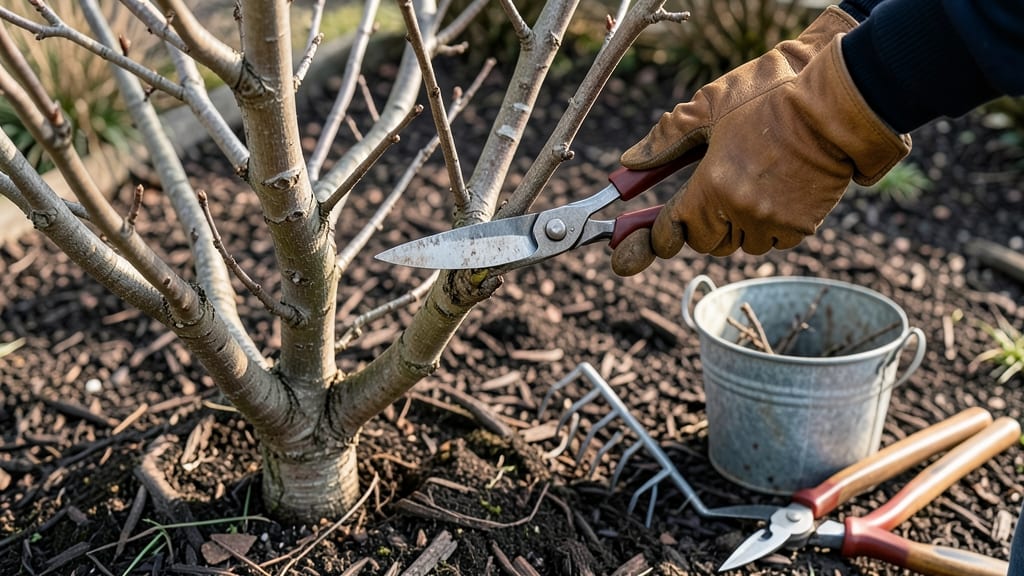
Pruning lilac in winter is possible, but timing is critical—opt for late winter or early spring just as buds begin to swell. Heavy winter cuts can shock the plant and delay—or even prevent—spring blooms.
Winter pruning works best when lilacs are dormant but before new growth starts. 🌿 The key is to trim only dead or crossing branches—never more than one-third of the plant—to avoid stressing the shrub.
I’ve seen gardeners accidentally prune too late in winter, which forces the plant to push out tender new growth that gets damaged by unexpected frost. For best results, wait until late February or early March when the threat of hard freezes has passed.
If you must prune earlier, focus on cleaning up rather than shaping. Remove only dying wood or branches that rub together, as these can harbor pests or diseases. Lilacs are resilient, but their blooms form on old wood, so aggressive cuts now can mean fewer flowers next season.
Think of winter pruning as a light maintenance task rather than a major overhaul.
💡 In This Article
- Why Winter Lilac Pruning Risks Damaging Your Plant
- Step-by-Step Winter Lilac Pruning Guide for Beginners
Why winter lilac pruning risks damaging your plant
Lilacs enter dormancy in late fall, but their growth cycle doesn't stop completely. The real danger of winter pruning lies in how lilacs form their flower buds. These buds develop on old wood—last year's growth—during late summer and early fall.
When you prune in winter, you risk cutting off these buds before they've had a chance to mature and bloom. This is why many gardeners notice fewer flowers the following spring after aggressive winter cuts.
The plant's natural response to winter stress compounds the problem. When you make heavy cuts in cold months, lilacs may push out tender new growth in an attempt to recover. This new growth is highly vulnerable to late frosts, which can blacken leaves and stunt the plant's overall health.
Studies show that lilacs pruned in January or February often experience a 30-50% reduction in bloom production compared to those pruned in early spring. The plant simply hasn't had enough time to prepare for the next growing season.
Another critical factor is the plant's energy reserves. During dormancy, lilacs store carbohydrates in their roots and stems to fuel spring growth. Heavy pruning depletes these reserves, forcing the plant to divert energy toward healing wounds rather than developing flowers.
You can think of it like a hibernating animal being woken up too early—it's disoriented and struggles to function properly. The ideal timing aligns with when the plant naturally begins its upward growth cycle, usually when daytime temperatures consistently reach 50°F or higher.
What most people don't realize is how the plant's vascular system responds to winter cuts. When you make pruning cuts in cold weather, the plant's ability to seal wounds is compromised. The sap flow slows dramatically, making it harder for the plant to compartmentalize damaged areas.
This creates perfect conditions for diseases like powdery mildew or botrytis blight to take hold. I've seen lilacs develop these issues after winter pruning, where the plants appeared healthy but suddenly showed signs of stress in early spring.
There's also the issue of flower bud development timing. Lilac flower buds actually begin forming in late summer (around August), but they need several weeks of cool weather to fully develop.
If you prune in winter, you might be removing buds that were just starting to form but hadn't yet become visible. This explains why some gardeners swear by winter pruning while others get disappointing results—it depends on when exactly within the winter window they're cutting.
The safest approach is to wait until you can see green tips emerging from the buds, indicating the plant is ready to grow.
The good news is that lilacs are remarkably resilient. Even if you do prune too early, the plant will often recover. However, the recovery process can take 2-3 years to fully restore bloom production.
This is why experienced gardeners recommend thinking of winter pruning as a light maintenance task rather than a major shaping opportunity. The goal should be to remove only the most problematic branches while preserving as much of the plant's structure as possible for next season's blooms. 🌸