
Pruning
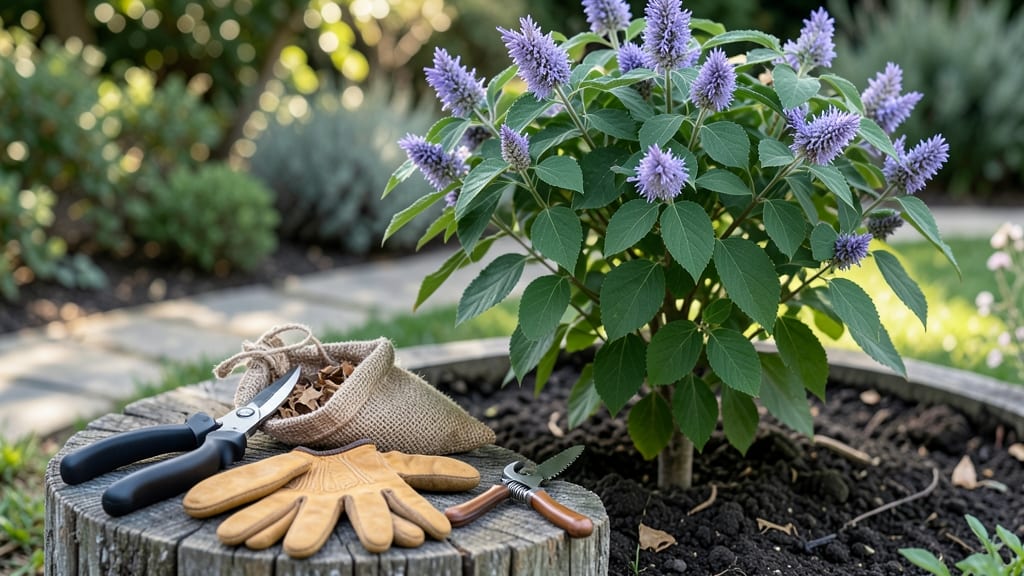
Pruning your chaste tree in late winter reveals its hidden potential—healthy spring blooms that perfume the air for months. 🌿 I’ve seen this shrub go from scraggly to showstopper in just one season, and the secret lies in timing and technique.
Most gardeners wait until summer, but that’s too late for the best results. The right tools and a few precise cuts transform your chaste tree into a lush, flowering powerhouse.
You’ll need sharp pruners, gloves, and a clear vision of your plant’s natural shape—think of it like sculpting a living work of art. After pruning, the new growth explodes with vibrant foliage and fragrant purple blooms by early summer.
What you’ll end up with is a denser, more vigorous plant that flowers earlier and more abundantly. The air around it fills with that signature vanilla-licorice scent, and your neighbors will wonder how you did it. The key is working with the plant’s growth cycle, not against it.
This method works for both young shrubs and mature specimens. Let’s get your chaste tree ready for its best season yet!
📚 In This Guide
- What you need
- Instructions
- Tips and common mistakes
- Wrapping up and next steps
What you need
- ● Pruning shears: Bypass pruners (sharp, 5–8" blades) for clean cuts on small branches.
- ● Loppers: 1–2 pairs (8–12" blades) for thicker branches (½"–1½" diameter).
- ● Pruning saw: 1 curved-tooth saw for branches >1½" in diameter.
- ● Disinfectant: 70% isopropyl alcohol or a 10% bleach solution (1 part bleach to 9 parts water) to sterilize tools between cuts.
- ○ Gloves: Heavy-duty, cut-resistant gloves (optional but recommended for protection).
- ● Ladder or step stool: Sturdy and tall enough to reach the tree’s canopy safely.
- ● Heavy-duty trash bags: 2–3 bags (13-gallon size) for debris disposal.
- ● Hand pruners: For fine-tuning small twigs or deadheading spent blooms.
- ● Pole pruner: Extendable tool (10–12 ft) for high branches without a ladder.
- ● Rubbing alcohol wipes: Quick tool disinfection on the go.
- ● Tree wound dressing: Pruning sealant (controversial; skip if your tree is healthy).
- ● Notebook & pen: To sketch a quick map of cuts for reference.
- ● Check local regulations—some areas restrict pruning without permits for large trees.
- ● Ensure the tree is not under stress (e.g., drought, pest infestation) before pruning.
- ● Work on a dry, calm day to avoid slipping or spreading disease.
Step-by-step guide to pruning chaste trees for vibrant spring growth
Here’s how I prune chaste trees to keep them lush and blooming year after year—no guesswork, just proven techniques.
✂️ Step 1: Prune Immediately After Spring Blooms End
Timing is everything with chaste trees. Wait until late spring, after the pink or white flower clusters have fully faded and brown seed pods begin forming. This is your cue—the tree has finished flowering and is about to focus on new growth. If you prune too early, you’ll cut off next year’s blooms.
I grab my clean, sharp pruners and start by removing dead, crossing, or rubbing branches first. These are the ones touching other branches or growing inward—they’ll compete for energy and weaken the tree. Make cuts just outside the branch collar (the swollen area where the branch meets the trunk) at a 45-degree angle. This ensures the wound heals properly.
☀️ Step 2: Thin the Canopy for Better Airflow and Light
Chaste trees grow dense, so thinning is key to preventing disease and encouraging strong new growth. Look for branches that are too close together—aim to leave 4-6 inches of space between them. Remove up to 25% of the foliage total, but never more than one-third in a single year. Over-pruning stresses the tree.
Focus on inner branches that aren’t getting sunlight. These often grow weak and leggy. Cut them back to the main stem or a strong lateral branch. You’ll know you’re doing it right when you can see more light filtering through the canopy after pruning. This boosts flower production for next spring.
✂️ Step 3: Shape and Encourage Bushier Growth
Now’s the time to shape the tree for fuller, more compact growth. I like to prune the tips of outer branches slightly to encourage branching lower down. Cut just above a leaf bud or side shoot—this tells the tree to grow wider instead of taller. Avoid cutting back into old wood (the thick, woody stems)—chaste trees bloom on new growth, so pruning too aggressively here reduces flowers.
If your tree has long, bare stems, you can lightly trim them back to a strong lateral branch to promote new shoots. Just don’t overdo it—chaste trees are forgiving, but they don’t bounce back from heavy pruning like some shrubs. A little shaping goes a long way.
🌿 Step 4: Clean Up and Monitor for New Growth
After pruning, remove all debris from the ground—leaving clippings can harbor pests or disease. I also sterilize my pruners with rubbing alcohol to prevent spreading anything to healthy branches. Now, watch for new shoots emerging from the pruned areas within 4-6 weeks. These are your healthy, vibrant growth signals.
Water the tree deeply after pruning to help it recover, but avoid overwatering—chaste trees prefer well-draining soil and can rot if soggy. Mulch around the base with 2-3 inches of organic mulch (like shredded bark) to retain moisture and protect roots. By mid-summer, you should see plump, green foliage filling in where you pruned.
Tips & tricks for perfect chaste tree pruning
A few simple tricks will help you prune your chaste tree like a pro and keep it thriving for years to come.
The Timing Secret: Watch for those brown seed pods—this is your perfect cue! Pruning too early cuts off next year’s blooms, while waiting too long can stress the tree. I mark my calendar for late spring after the flowers fade completely. If you miss this window, don’t panic—just wait until early summer, but expect slightly fewer blooms next spring.
Tool Prep Matters: Sterilize your pruners with rubbing alcohol before and after pruning to prevent spreading disease. I also sharpen my blades annually—dull tools crush branches instead of making clean cuts. For larger branches, use loppers or a pruning saw, but make sure they’re clean too. A little prep goes a long way for tree health.
Visual Cues for Pruning: In Step 2, when thinning the canopy, look for branches that cast shadows on others—these are your targets. You’ll know you’ve done it right when sunlight filters through the leaves like a dappled pattern. This improves airflow and flower production. Remember, aim for 4-6 inches of space between branches to prevent crowding.
Recovery Strategy: After pruning, water deeply but don’t overdo it—chaste trees prefer well-draining soil. I apply 2-3 inches of organic mulch around the base to lock in moisture and protect roots. By mid-summer, you should see fresh green foliage filling in where you pruned, signaling healthy new growth.
Pro Tips for Chaste Tree Pruning
- A few simple tricks will help you prune your chaste tree like a pro and keep it thriving for years to come.
- The Timing Secret: Watch for those brown seed pods—this is your perfect cue!
- Tool Prep Matters: Sterilize your pruners with rubbing alcohol before and after pruning to prevent spreading disease.
Frequently asked questions
Got questions about chaste tree pruning?
Here are answers to the most common concerns—whether you're a first-timer or just brushing up on best practices.
When is the best time to prune a chaste tree for spring blooms?
The ideal window is late winter to early spring (just before buds swell), or right after flowering in summer. Avoid heavy pruning in fall—it can stimulate tender new growth vulnerable to frost. For shaping, light trims can happen anytime, but never prune in extreme heat or drought.
How much can I cut back without harming the tree?
Chaste trees are tough! You can safely remove up to 1/3 of the canopy per year if needed. For rejuvenation, hard pruning (cutting back to 12–18 inches from the ground) works well in early spring, but do this gradually over 2–3 years for older trees. Never remove more than 50% in one go—it stresses the tree.
What if my chaste tree isn’t blooming after pruning?
Lack of flowers often means over-pruning or poor timing. Focus on removing dead, diseased, or crossing branches first—these block airflow and light. If you cut too late (after buds form), blooms may drop. Feed with compost or balanced fertilizer in early spring to encourage flowering.
Can I prune a chaste tree in fall instead of spring?
Fall pruning is risky—new growth won’t harden off before winter, making it vulnerable to frost damage. If you must prune in fall, limit it to cleanup cuts (removing dead wood or safety hazards). For shaping or flowering, spring is always better. Think of it like a winter nap—the tree needs rest!
Do I need special tools for chaste tree pruning?
Basic tools suffice! Use bypass pruners for small branches, loppers for thicker stems (up to 2 inches), and a pruning saw for larger cuts. Sterilize tools with rubbing alcohol between cuts to prevent disease spread. A ladder or pole pruner helps for high branches—safety first!
Wrapping up and next steps
Mastering chaste tree pruning is your ticket to vibrant spring blooms and a thriving plant! By timing your cuts right—late winter to early spring—and using the right techniques, you’ll encourage lush growth and stunning flowers.
Remember, sharp tools and clean cuts are key to keeping your chaste tree healthy and happy.
Ready to give your chaste tree the care it deserves? Grab your pruners, mark your calendar, and start planning your next pruning session. Your tree—and your garden—will thank you! 🌸✂️