
Pruning
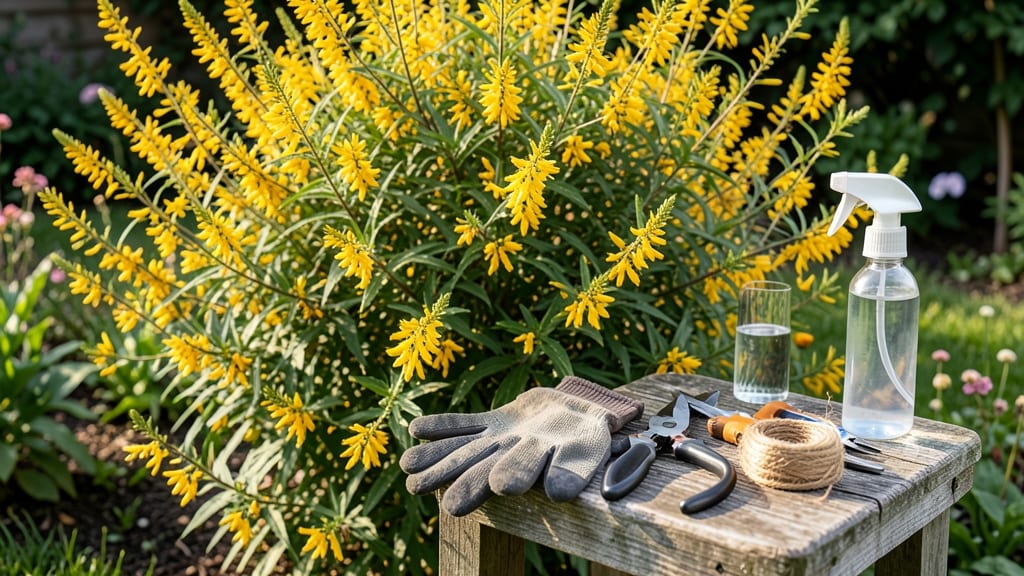
Pruning Cytisus scoparius—commonly called broom—transforms leggy shrubs into bushier, bloom-heavy powerhouses. 🌿 I’ve pruned mine for years, and the difference between a neglected tangle and a vibrant, flowering shrub comes down to timing and technique. Most gardeners wait too long, missing the prime window when the plant responds best.
The best time to prune broom is right after flowering, usually in late spring or early summer. This gives the plant time to set new growth before winter.
You’ll need clean, sharp pruners and a glove—broom has sharp thorns! Cut back one-third of the oldest stems to encourage fresh, flowering growth from the base.
By following this schedule, you’ll see denser foliage and more abundant blooms the next season. The key is consistency: prune lightly each year rather than trying to fix years of neglect at once. Over time, your broom will become a showstopping shrub with bright yellow flowers and a tidy shape.
This method works for both container-grown brooms and landscaped shrubs, though larger plants may need a ladder. The same principles apply whether you’re shaping a hedge or keeping a single specimen neat. Let’s get those pruners ready!
📚 In This Guide
- What you need
- Instructions
- Tips and common mistakes
- Wrapping up and next steps
What you need
- ● Pruning shears: Bypass pruners (sharp, 6-8" blades) for clean cuts on smaller stems. Quantity: 1 pair.
- ● Loppers: Long-handled (24-30") for thicker branches (1/2"–1.5" diameter). Quantity: 1 pair.
- ● Pruning saw: Curved-tooth saw for stubborn, woody stems (1.5"+ diameter). Quantity: 1.
- ● Gloves: Heavy-duty, cut-resistant (e.g., leather or Kevlar) to protect from thorns. Quantity: 1 pair.
- ● Disinfectant: 70% isopropyl alcohol or rubbing alcohol to sterilize tools between cuts. Quantity: Small bottle.
- ● Trash bags: Heavy-duty, 30+ gallon for debris disposal. Quantity: 1–2.
- ● Garden twine or zip ties: For temporarily securing large branches if needed. Quantity: Small roll.
- ● Extension pole: For hard-to-reach branches (attachable pruners or loppers).
- ● Hand pruners with ratchet: For fatigue-free cutting on long sessions.
- ● Plant food: Balanced fertilizer (10-10-10) to nourish post-pruning. Quantity: Small bag.
- ● Mulch: Organic (pine bark or straw) to retain moisture and suppress weeds.
Step-by-step guide to pruning Cytisus scoparius for optimal growth
This is the method I’ve used for years to keep my broom plants full, blooming, and healthy—without sacrificing next year’s flowers.
✂️ Step 1: Understand the Right Time to Prune
Cytisus scoparius blooms on old wood, so timing matters. Prune immediately after flowering, when seed pods begin forming but before they harden—usually late spring to early summer. This gives the plant time to set new growth before winter. If you prune too late, you risk cutting off next year’s flower buds.
Here’s the thing—if you miss the window, don’t panic. Light pruning in early spring (just to shape) is better than nothing, but it won’t encourage as many blooms. I always mark my calendar after the last bloom fades to remind myself when to act.
✂️ Step 2: Remove Dead, Diseased, or Weak Wood
Start by inspecting the plant for any branches that are dead, diseased, or crossing. Use clean, sharp pruners to cut these back to the base or to a healthy outward-facing bud. Dead wood looks brittle and snaps easily, while diseased branches may have black spots or ooze. Remove these first—they’re holding the plant back.
I like to work from the bottom up. This way, I can see the overall shape better and avoid over-pruning. If a branch is thin or spindly, it’s likely not contributing much to the plant’s structure. Snip it off cleanly—no jagged cuts here. The goal is to open up the center for better airflow and light penetration.
✂️ Step 3: Thin Out Overcrowded Branches for Airflow
Next, focus on thinning the plant’s interior. Cytisus scoparius can get leggy if too many branches compete for space. Look for branches growing inward or rubbing against others—these need to go. Cut them back to a strong outward-facing bud or lateral branch. You’re aiming for an open, vase-like shape that lets light reach the center.
Don’t remove more than 25% of the plant’s foliage in one go. This keeps stress low and ensures the plant can recover quickly. If you’re unsure, err on the side of caution. You can always prune more lightly next year. I usually step back and admire the shape before making final cuts—sometimes, the plant looks better with fewer adjustments.
✂️ Step 4: Shape the Plant for Bushier Growth
Now for the fun part—shaping. Cytisus scoparius responds well to selective pruning to encourage bushier growth. Focus on the outer branches, cutting back 1/3 to 1/2 of the current season’s growth. This stimulates branching and denser foliage. Avoid cutting into old wood unless it’s dead or diseased.
Use your pruners at a 45-degree angle, just above a leaf node or bud. This encourages new growth in the right direction. If you’re unsure where to cut, imagine the plant’s natural shape—a rounded bush, not a lopsided tower. A light touch here makes all the difference. I often prune in stages, waiting a week between sessions to see how the plant reacts.
⏰ Step 5: Post-Pruning Care for a Strong Recovery
After pruning, give your Cytisus scoparius a good drink of water to help it recover. The roots will need to support new growth, so keep the soil evenly moist but not soggy for the first 2-3 weeks. Avoid fertilizing right after pruning—let the plant focus on healing before adding nutrients.
Watch for new shoots emerging from the cut branches. These are your plant’s way of telling you it’s happy. If you see leggy growth reaching for light, it’s a sign the plant needs more sun or a lighter pruning next time. I also keep an eye out for pests—pruning can stress the plant, making it more vulnerable to aphids or spider mites. A quick spray with neem oil if needed keeps them at bay.
Tips & tricks for perfect Cytisus scoparius pruning
These expert insights will help you transform your Cytisus scoparius into a thriving, bushier plant with abundant blooms—without compromising next year's flowers.
Timing is Everything: The late spring to early summer window after flowering is non-negotiable for optimal results. This timing allows the plant to establish new growth before winter dormancy. If you miss this window, don't despair—light pruning in early spring for shaping only will still benefit the plant, though it won't stimulate as many blooms. I've learned the hard way that pruning too late can cut off next year's flower buds, so I now mark my calendar right after the last bloom fades.
Precision Cutting Technique: When shaping in Step 4, that 45-degree angle cut just above a leaf node isn't just aesthetic—it's crucial for directing new growth. I've found that making these angled cuts encourages stronger lateral branches rather than weak, upward-reaching growth. For thicker branches, consider making a small notch below the cut to help water run off and prevent rot. This technique has dramatically improved the bushiness of my plants over the years.
Stress Management: Never remove more than 25% of the foliage in one session—this critical threshold prevents shock and allows the plant to recover quickly. I've seen plants struggle and even decline after more aggressive pruning. After your cuts, step back and admire your work from a distance. This perspective helps you spot any awkward shapes or over-pruned areas before they become permanent problems.
Pro Tips for Cytisus Scoparius Pruning
- These expert insights will help you transform your Cytisus scoparius into a thriving, bushier plant with abundant blooms—without compromising next year's flowers.
- Timing is Everything: The late spring to early summer window after flowering is non-negotiable for optimal results.
- Precision Cutting Technique: When shaping in Step 4, that 45-degree angle cut just above a leaf node isn't just aesthetic—it's crucial for directing new growth.
Frequently asked questions
Got questions about pruning your Cytisus scoparius (commonly known as broom)?
You’re not alone! Whether you’re a new gardener or just want to refine your skills, here are some of the most common concerns—and their answers—to keep your plant thriving.
When is the best time to prune Cytisus scoparius?
The ideal time to prune is late winter or early spring, just before new growth begins. This helps shape the plant and encourages vibrant blooms in spring. Avoid pruning in fall, as it can stimulate tender new growth that may not survive winter frosts.
How much can I cut back without harming the plant?
You can safely remove up to one-third of the plant’s height in a single pruning session. For mature plants, focus on dead, diseased, or overcrowded branches first. Avoid over-pruning, as Cytisus scoparius is a resilient but slow-growing shrub—cutting too much may reduce flowering.
Will pruning my broom affect its flowers?
Pruning correctly actually boosts flowering! Light pruning after blooming (summer) removes spent flowers and encourages denser, bushier growth next season. However, avoid heavy pruning after flowering, as this can reduce the number of blooms for the following year.
My broom looks leggy—how do I fix it?
Leggy growth is often a sign of overcrowding or lack of pruning. To fix it, cut back the longest stems by half and thin out any branches growing inward. This opens up the plant, allowing better airflow and sunlight—key for compact, bushy growth.
Can I prune Cytisus scoparius in containers?
Yes! Container-grown brooms need regular pruning to prevent root-bound stress. Prune lightly in spring and summer, and repot every 2–3 years to refresh the soil. Avoid over-trimming, as container plants have limited space to recover.
Wrapping up and next steps
Pruning Cytisus scoparius (common broom) is your secret weapon for vibrant blooms and lush growth—whether you’re a seasoned gardener or just starting out! 🌿 By following the right timing, techniques, and tools, you’ll encourage healthier plants year-round.
Start small, stay consistent, and watch your broom thrive with bold color and structure.
Ready to transform your garden? Grab your pruners and schedule your first pruning session—your Cytisus scoparius will thank you with a stunning show!