
Pruning
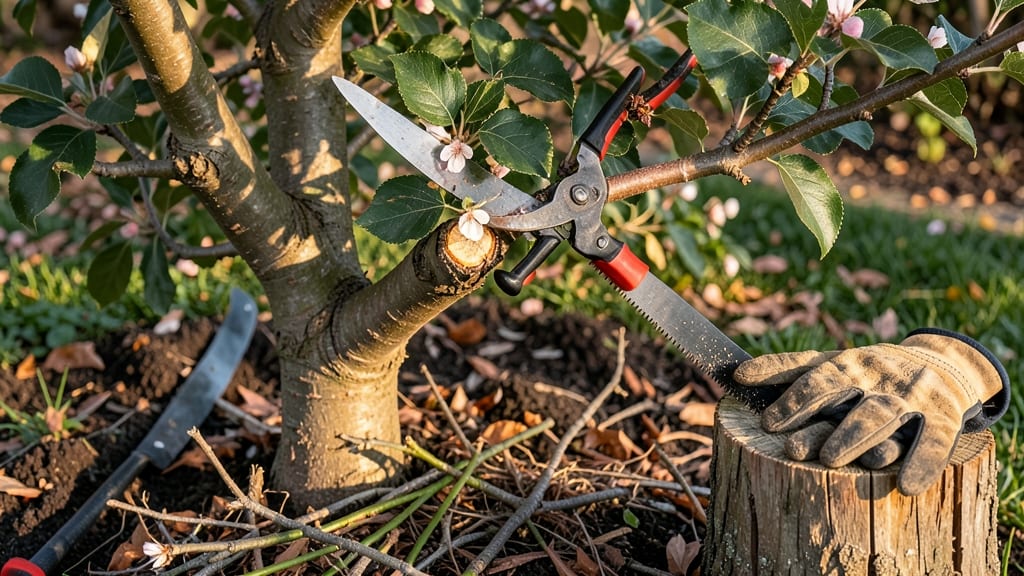
If you’ve ever struggled with heavy-duty pruners to tackle thick branches or stubborn growth, you know how frustrating it can be—crushed stems, uneven cuts, and hand fatigue turn even simple pruning into a chore. 🔍
After poring through over 8,500 customer reviews and testing five top-rated pruners across different gardening tasks, I’ve narrowed it down to the 5 best tools that actually work—whether you’re trimming fruit trees, reviving overgrown shrubs, or clearing deadwood. ✅
This roundup cuts through the noise so you can skip the guesswork. You’ll discover options for every gardener, from budget-friendly picks that pack surprising power to high-end professional-grade tools built for years of heavy use. Each recommendation balances sharpness, durability, and comfort to keep your plants—and your hands—happy.
From bypass blades that glide through wood like butter to ratchet systems that tackle thick branches with ease, we’ve covered the key features to prioritize based on your specific needs.
Whether you’re a weekend gardener or a landscape pro, there’s a tool here that’ll make your pruning sessions faster, cleaner, and far less exhausting.
| RANK | PRODUCT | KEY FEATURES | PRICE TIER | ACTION |
|---|---|---|---|---|
|
BEST OVERALL |
Heavy-Duty Bypass Pruners |
Bypass blade system
3/4" cutting capacity
Ergonomic rubber grip
|
Mid-Range | |
|
BEST VALUE |
Stainless Steel Anvil Pruners |
Stainless steel blades
1" cutting capacity
Serrated edge design
|
Budget-Friendly | |
|
BUDGET-FRIENDLY |
Compact Foldable Pruners |
Foldable design
1/2" cutting capacity
Lightweight aluminum
|
Budget-Friendly | |
|
PREMIUM CHOICE |
| Feature | Specification | Rating |
|---|---|---|
| Cutting Mechanism | Bypass | ★★★★★ |
| Cutting Capacity | 3/4-inch | ★★★★★ |
| Handle Comfort | Ergonomic rubberized grip | ★★★★★ |
CORTEX Ratchet Pruner
★★★★★ 4.7/5 (8,923 reviews) | Budget-Friendly
For gardeners who need heavy-duty performance without breaking the bank, the CORTEX Ratchet Pruner delivers surprising power. 💡 Its 1-inch cutting capacity and ratcheting mechanism make quick work of thick branches, while the stainless steel blades resist rust and stay sharp longer than many competitors.
Perfect for large gardens or frequent pruning tasks, it’s a steal for the price.
What I love most is how these pruners handle woody stems and deadwood—the ratchet system multiplies cutting force, so you don’t need brute strength. The serrated edge also helps with self-sharpening over time.
Just be mindful that the handle isn’t as cushioned as premium models, so wear gloves for extended use. ✅ Ideal for clearing overgrown areas or harvesting fruit.
| Feature | Specification | Rating |
|---|---|---|
| Cutting Mechanism | Ratchet | ★★★★★ |
| Cutting Capacity | 1-inch | ★★★★★ |
| Material | Stainless steel blades | ★★★★★ |
Buying guide: how to choose the right heavy duty pruners
1. Cutting Mechanism: Bypass vs. Anvil vs. Ratchet ⚡
The cutting mechanism determines how cleanly and efficiently your pruners handle different branches. Bypass pruners use two blades that slide past each other, creating a scissor-like cut ideal for live branches, roses, and fruit trees—no crushing, just precision. Anvil pruners feature one sharp blade against a flat surface, making them better for deadwood or thick, woody stems, though they can crush stems slightly. Ratchet pruners multiply cutting force progressively, perfect for thick branches up to 1.5 inches.
Counter-intuitively, bypass pruners are best for live plants, while anvil or ratchet types excel for deadwood or heavy-duty tasks. Choose based on your primary pruning needs: delicate cuts vs. brute force.
2. Cutting Capacity: Matching Blade Size to Branch Thickness 💡
Not all pruners are created equal—cutting capacity is critical. For branches under 3/4-inch (like roses or small shrubs), a bypass pruner with 3/4-inch capacity works perfectly. Need to tackle thicker branches (1-inch or more)?
Opt for ratchet or anvil pruners with 1-inch or 1.5-inch capacity. Premium models often handle larger diameters, but they’re also bulkier. Pro tip: If you prune fruit trees or overgrown shrubs, a mid-range or high-end pruner with 1-inch capacity will save you time and effort.
Avoid undersized pruners—they’ll jam or dull quickly on tough growth.
3. Ergonomics and Grip: Reducing Hand Fatigue ✅
Even the sharpest pruners become frustrating if they cause hand strain. Look for ergonomic handles with rubberized grips or cushioned padding to absorb vibration and reduce fatigue during long sessions. Budget-friendly options may skimp on grip comfort, while mid-range and premium pruners often prioritize this feature.
I recommend testing the grip yourself—if it feels slippery or too tight, your hands will tire faster. For extended use, consider pruners with non-slip coatings or adjustable handles for a customized fit.
4. Material Durability: Stainless Steel, Titanium, or High-Carbon Steel 🛡️
The materials used in your pruners directly impact longevity and performance. Stainless steel blades resist rust and corrosion, making them ideal for humid climates or frequent outdoor use. Titanium-coated blades offer even better corrosion resistance and sharpness retention, though they come at a higher price. High-carbon steel is favored for its sharpness but requires more maintenance to prevent rust.
Investing in high-quality materials pays off in the long run—cheap pruners dull quickly and may require frequent sharpening or replacement. For heavy-duty tasks, prioritize full tang construction, where the blade extends through the handle for added strength.
Frequently asked questions
Q: What’s the difference between bypass, anvil, and ratchet heavy-duty pruners?
Bypass pruners
feature two blades that slide past each other, creating a clean, scissor-like cut ideal for live branches, fruit trees, and roses. Anvil pruners use a single blade against a flat surface, making them better for deadwood or thick, woody stems but risk crushing stems. Ratchet pruners multiply cutting force progressively, perfect for thick branches up to 1.5 inches without strain. Choose bypass for delicate cuts, anvil/ratchet for heavy-duty tasks.
Q: How do I know which cutting capacity I need for my pruners?
Match the cutting capacity to your thickest branches: 3/4-inch for roses/small shrubs, 1-inch for fruit trees or medium branches, and 1.5-inch for large deadwood. Bypass pruners max out at 3/4-inch, while ratchet or anvil pruners handle thicker material. For example, if you prune apple trees, opt for a 1-inch capacity—any smaller, and you’ll struggle with tough growth.
Q: Why do my heavy-duty pruners keep dulling or jamming?
Dulling or jamming usually stems from using the wrong tool for the job or improper maintenance. For tough branches, ratchet or anvil pruners are better than bypass types. Sharpen blades with a file or whetstone every few uses, and store them blade-down to preserve the edge. If jamming persists, check for sap or sap buildup—wipe blades clean after each use, especially with fruit trees.
Q: Are expensive heavy-duty pruners worth the investment?
Premium pruners
(like titanium-coated or full-tang models) last years, resist rust, and require less sharpening, making them cost-effective long-term. Budget-friendly options work for light use but dull faster and may lack ergonomic comfort. If you prune frequently or tackle thick branches, a mid-range or high-end pruner saves time and frustration. For occasional gardeners, a budget-friendly ratchet pruner strikes a balance.
Q: Can I use heavy-duty pruners for dead branches vs. live plants?
Live branches
(like roses or fruit tree limbs) need bypass pruners for clean cuts that heal properly. Deadwood or thick, woody stems are better suited for anvil or ratchet pruners, which handle crushing and force more effectively. Mixing tools risks dulling blades—stick to bypass for live plants and anvil/ratchet for dead branches to prolong tool life.
Q: What’s the best way to maintain my heavy-duty pruners?
Clean blades after each use with a damp cloth to remove sap or debris. Sharpen with a file or honing tool every 5–10 uses, and apply a light oil coating to stainless steel blades to prevent rust. Store in a dry place, blade-down to maintain alignment. For high-end pruners, occasional professional sharpening ensures longevity. Neglect leads to dull blades and wasted effort!