
Pruning
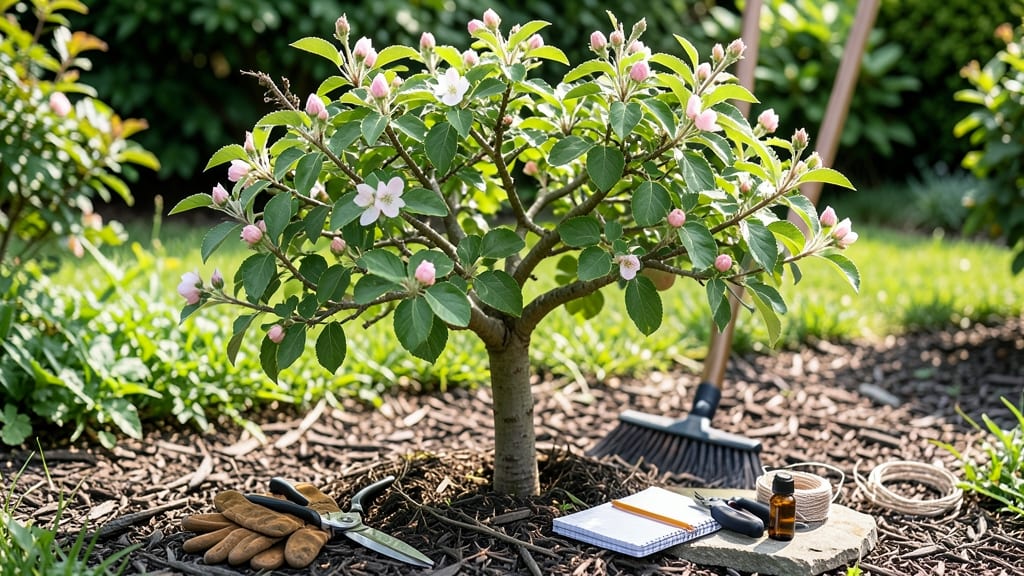
Pruning fruit trees to keep them small isn’t just about trimming—it’s about unlocking a lifetime of manageable harvests. 🌳 I’ve turned my sprawling peach tree into a neat, 6-foot-tall beauty by mastering three key cuts: heading back, thinning out, and removing suckers.
The difference? A tree that fits my backyard and produces more fruit than ever. You’ll need sharp bypass pruners, a small handsaw, and rubbing alcohol for sterilizing cuts. Timing matters too—apples and pears get pruned in late winter, while stone fruits like peaches wait until early spring.
The goal? Open the canopy to sunlight and air, which means fewer diseases and easier picking. Start by removing dead or crossing branches first—those are your easy wins. Then, cut back last year’s growth by one-third to encourage bushier growth.
For suckers (those stubborn shoots at the base), snip them at the soil line. It’s not about drastic changes; it’s about guiding the tree’s shape over time. After pruning, give your tree a deep watering and hold off on heavy fertilizer until new growth appears.
Watch for stress signs like oozing sap or wilting leaves, and you’ll have a compact, productive tree that’s a joy to tend. Ready to transform your orchard?
📚 In This Guide
- What you need
- Instructions
- Tips and common mistakes
- Wrapping up and next steps
What you need
- ● Pruning shears (bypass or anvil) – Choose bypass shears (sharp, scissor-like blades) for clean cuts on branches up to ½ inch thick. Anvil shears (flat blade + sharp edge) work for thicker wood but can crush stems.
- ● Loppers – 1 pair (18–24 inches long) for branches ½ to 1½ inches thick. Look for ratcheting models for extra leverage.
- ● Pruning saw – 1 lightweight saw (8–12 inches) for branches over 1½ inches thick. A curved blade glides through wood like butter.
- ● Gloves – 1 pair of heavy-duty gardening gloves (leather or reinforced) to protect hands from thorns, splinters, and blisters.
- ● Disinfectant (70% isopropyl alcohol or bleach solution) – Small spray bottle or wipe to sterilize tools between cuts and prevent disease spread.
- ● Rubbing alcohol or hand sanitizer – For cleaning cuts on your hands (yes, really!) if sap gets on open skin.
- ● Bucket or trash bag – For collecting pruned branches. A 5-gallon bucket with a lid keeps debris contained.
- ● Ladder or step stool – Adjustable or sturdy enough to reach high branches safely. Always prioritize stability!
- ○ Sharpie or permanent marker – For marking branches to remove (optional but helpful for planning).
- ○ Pruning sealant (optional) – For sealing large cuts (½ inch or wider) to prevent disease. Use sparingly—only on wounds bigger than a pencil.
- ○ Tree paint (optional) – Non-toxic paint to protect exposed wood on young trees (controversial—some experts say it’s unnecessary!).
- ● Extension pole pruners – For high branches without a ladder (10–12 feet reach).
- ● Work apron or tool belt – Keeps tools handy and your back happy during long pruning sessions.
- ● Notebook & pencil – To sketch your tree’s shape before/after pruning—great for tracking progress!
Step-by-Step guide to pruning fruit trees for compact growth
Here’s how I keep fruit trees manageable—without sacrificing fruit production or tree health.
✂️ Step 1: Prune in Late Winter for Structural Control
Start your pruning 2-4 weeks before bud break (when you see tiny buds swelling). This timing prevents disease spread and lets you shape the tree while it’s dormant. Grab your clean, sharp pruning shears—dull tools tear bark, inviting infections. Focus on removing dead, crossing, or inward-growing branches first. These compete for energy and block sunlight from reaching the center.
Next, cut back any suckers (vigorous shoots at the base) to 1/3 their length. These sap-suckers drain the tree’s energy. For larger branches, make cuts just outside the branch collar (the swollen area where the branch meets the trunk). Never leave stubs—this creates entry points for pests. After each cut, step back to check the tree’s balance. You’ll see a more open center that lets sunlight and air circulate.
☀️ Step 2: Summer Pruning for Size and Fruit Quality
In mid-to-late summer, after the tree has set fruit but before new growth hardens, do a second round of pruning. This keeps the tree from getting too tall or wide. Look for water sprouts (fast-growing vertical shoots) and overly vigorous branches—these are your targets. Cut them back to a bud facing outward on the branch. This encourages outward growth instead of upward.
Thin out excessive fruit clusters too—aim to leave 1-2 fruits per spur (the short, stubby branches where fruit forms). Overloaded branches break under weight, and small fruit develops. You’ll notice fewer but larger, sweeter fruits after this step. Always sterilize your tools between cuts with rubbing alcohol to prevent disease spread.
⏰ Step 3: Light Annual Maintenance for Long-Term Shape
Twice a year, do a quick 10-minute check in early spring and late fall. Remove any dead wood (branches that snap easily or have no green underneath the bark) and shoots growing from the trunk. These weak branches invite pests and steal energy from fruit production. For established trees, prune to maintain a height and width you can reach—no ladder needed!
Watch for rubbing branches (where two limbs grow too close and damage each other). Cut one of the branches back to a healthy bud. Over time, this keeps the tree’s structure strong and open. If you see suckers (those pesky shoots at the base) popping up, snip them off at the ground level. Consistency is key—skipping steps leads to unruly growth.
Tips & tricks for pruning fruit trees to keep them compact
Real talk: Pruning fruit trees can feel overwhelming, but these simple tricks make all the difference between a manageable tree and a jungle. Here's what nobody tells you—
Timing is Everything: That 2-4 week window before bud break in Step 1 is critical. If you prune too early, you risk frost damage to fresh cuts. If you wait too long, the tree wakes up and bleeds sap excessively. I mark my calendar for late winter when buds are just starting to swell—this is your perfect signal. And trust me on this: Spring pruning after bud break opens the door to disease, so don't make my mistake of skipping the winter timing.
The 1/3 Rule for Suckers: When you're cutting back those pesky suckers in Step 1, remember the 1/3 rule—cut them back to one-third their length. This might seem drastic, but it's what prevents them from stealing energy from your fruit production. I've seen trees with suckers left too long completely neglect their fruit bearing branches. Pro tip: Use a permanent marker on your pruners to mark the 1/3 point before you start—it saves time and ensures consistency.
Visual Cues for Summer Pruning: In Step 2, when you're looking for water sprouts, focus on branches that are growing straight up like vertical arrows. These vertical growers never bear fruit and compete for sunlight. Cut them back to a bud facing outward—you'll know you've got the right angle when the bud is pointing away from the center of the tree. This outward growth pattern is what creates that beautiful, open canopy we're all after.
Tool Maintenance Matters: After every pruning session, clean your tools with rubbing alcohol as mentioned in Step 2, but don't stop there. I also sharpen my pruners regularly—dull blades crush rather than cut cleanly, which damages the tree's bark and invites infections. Keep a small file in your pruning kit and sharpen after every 5-10 cuts. Your trees will thank you with healthier growth and bigger fruit.
Pro Tips for Prune Fruit Trees To Keep Them Small
- Real talk: Pruning fruit trees can feel overwhelming, but these simple tricks make all the difference between a manageable tree and a jungle.
- Timing is Everything: That 2-4 week window before bud break in Step 1 is critical.
- The 1/3 Rule for Suckers: When you're cutting back those pesky suckers in Step 1, remember the 1/3 rule—cut them back to one-third their length.
Frequently asked questions
Got questions about keeping your fruit trees compact and productive?
Here are answers to the most common concerns—so you can prune with confidence!
When is the best time to prune fruit trees for small size?
The ideal time is late winter or early spring (just before buds swell), but you can also prune lightly after harvest. Avoid heavy pruning in fall—it can stimulate new growth that won’t harden off before winter. For tropical fruit trees, prune during dry seasons to reduce disease risk.
How much can I prune without harming the tree?
Never remove more than 25-30% of the tree’s canopy in one year. For dwarf varieties, aim for 10-15% annually to maintain size. Focus on thinning out crowded branches and dead wood first—this keeps the tree healthy while shaping it. Over-pruning stresses trees and reduces fruit production.
Will pruning small make my fruit tree produce fewer apples/pears/etc.?
Not if done right! Pruning improves fruit quality by increasing airflow and sunlight. Thinning branches actually boosts fruit size and sweetness by directing energy to fewer, healthier fruits. Just avoid cutting back too aggressively—balance size control with fruit-bearing branches.
Can I keep a fruit tree small without pruning—like using root restriction?
Root restriction (e.g., container growing or root barriers) can slow growth, but pruning is still essential for long-term health. Without pruning, trees become leggy, produce smaller fruit, and may develop weak structures. Combine both methods for best results: prune annually and use containers or espalier techniques for compact growth.
What do I do if my tree’s branches die after pruning?
Dead branches often signal over-pruning or disease. If you see brown, brittle wood or no new growth, check for:
- Pruning cuts: Make clean cuts at a 45° angle, ¼” above a bud.
- Timing: Avoid pruning in wet or freezing conditions.
- Fertilizer: Apply balanced fertilizer post-prune to support recovery.
Wrapping up and next steps
Pruning your fruit trees to keep them small isn’t just about saving space—it’s about boosting health, productivity, and ease of care! By mastering the three key steps (timing, technique, and tools), you’ll enjoy a manageable, fruit-filled oasis without the hassle. 🌳✨
Now that you’re armed with the know-how, grab those shears and get pruning! Start with just one tree to build confidence, then expand your green thumb’s reach. Happy pruning leads to bigger harvests and happier gardens—what’s not to love?