
Pruning
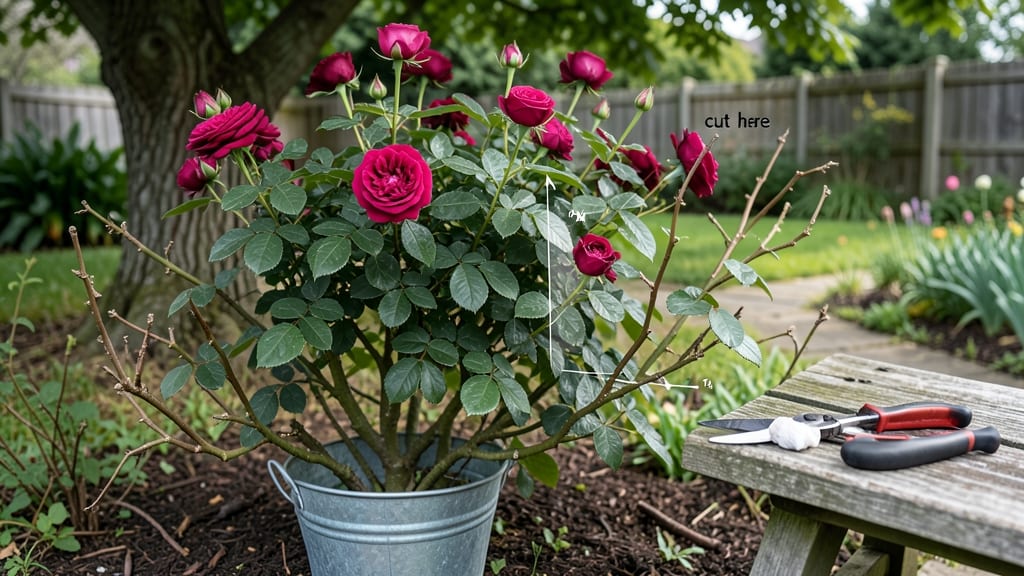
Pruning transforms struggling plants into thriving powerhouses. ✂️ I’ve seen overgrown bushes become lush, productive shrubs just by making a few strategic cuts—it’s not about chopping randomly, but understanding why and when to prune for each plant type.
The right technique boosts airflow, encourages blooms, and prevents disease, while the wrong approach can stunt growth or even kill your plants.
You’ll need just three essential tools: sharp bypass pruners for clean cuts, loppers for thicker branches, and a small saw for stubborn limbs. Timing matters too—spring pruning for most shrubs, winter for deciduous trees, and immediately after flowering for perennials like hydrangeas.
My first pruning disaster taught me that every cut should have a purpose, whether it’s removing dead wood, shaping growth, or thinning crowded branches.
By the end, you’ll see plants with stronger stems, more abundant flowers, and better harvests. The key is patience—some plants reward you with new growth within weeks, while others need months to show their gratitude.
And yes, even vegetables like tomatoes and peppers benefit from strategic pruning to focus energy on fruit production instead of leafy vines.
This works for everything from roses and fruit trees to herbs and houseplants. The same principles apply whether you’re shaping a topiary or reviving a neglected shrub. Let’s get those shears sharp and those plants thriving!
📚 In This Guide
- What you need
- Instructions
- Tips and common mistakes
- Wrapping up and next steps
What you need
- ● Pruning shears: Sharp, bypass-style shears (for cuts under ½ inch). Size: 5–7 inches (for most plants).
- ● Loppers: For thicker branches (½–2 inches). Look for: Long handles (20–24 inches) and a comfortable grip.
- ● Pruning saw: For branches over 2 inches thick. Type: Curved-tooth saw for clean cuts.
- ● Gloves: Heavy-duty, cut-resistant gloves (to protect from thorns and sharp tools).
- ● Disinfectant: 70% isopropyl alcohol or a 10% bleach solution (to sterilize tools between cuts and prevent disease spread).
- ● Pole pruner: Extendable tool for high branches (great for trees or large shrubs).
- ● Pruning sealant: Wound dressing (like tree paint) for large cuts on trees (controversial—skip if unsure!).
- ● Tarp or bucket: To collect debris and fallen leaves.
- ● Ladder: Sturdy, non-slip ladder (for reaching high branches safely).
- ● Marking spray: Temporary paint or tape to mark cuts before pruning.
- ● Know your plant! Research its pruning season (e.g., spring for fruit trees, late winter for roses).
- ● Check the weather forecast: Prune on a dry, calm day to avoid spreading disease.
- ● Have a clear plan: Sketch or visualize where cuts will go before starting.
Step-by-step pruning techniques for year-round plant health
Here's how I keep my garden thriving through every season—clean cuts, strategic timing, and tools that make the work effortless.
✂️ Step 1: Gather the Right Tools and Prepare Your Workspace
Start with sharp, clean tools—bypass pruners for stems up to ½ inch thick and loppers for thicker branches. I always sterilize blades with rubbing alcohol to prevent spreading disease between cuts. Lay out a tarp or bucket below your workspace to catch fallen debris and make cleanup simple.
Wear gloves to protect your hands from thorns or sap. I prefer thin, breathable gardening gloves that let me grip tools securely while keeping my hands dry. Organize your tools by size and function so you can move efficiently between different pruning tasks.
🌿 Step 2: Identify the Right Cuts for Each Season
Spring is for rejuvenation cuts—remove dead, diseased, or crossing branches first. Look for 5-leaf clusters on woody plants like roses or grapes; cut just above a bud that faces outward to encourage airflow. Summer pruning focuses on harvest shaping: pinch back leggy growth to promote bushier, more productive plants.
Fall is about cleanup and preparation. Remove any dead or yellowing leaves and trim back overgrown branches by ⅓ of their length to reduce winter stress. In winter, resist the urge to prune unless you're dealing with damaged limbs—dormant plants heal more slowly in cold weather.
⏰ Step 3: Time Your Cuts for Optimal Plant Response
Early spring, just as buds begin to swell, is ideal for hard pruning of deciduous shrubs. You'll see new growth emerge within 2-3 weeks—that's your signal the plant is responding well. For flowering plants like hydrangeas, time cuts right after blooms fade to preserve next year's flower buds.
Never prune when plants are under stress from drought or extreme heat. I wait until morning hours when temperatures are mild and the plant is fully hydrated. If you must prune in hot weather, do it in the early morning or late evening to minimize shock.
🌱 Step 4: Make Precision Cuts for Healthy Regrowth
Always cut at a 45-degree angle just above a bud or lateral branch. This angled cut prevents water from pooling on the wound, which could rot the stem. For thicker branches, make the cut ¼ inch above the bud to allow room for the new growth to emerge without obstruction.
Remove no more than ⅓ of the plant's foliage in one session—this rule prevents overstressing the plant. Watch for new leaf emergence within 2-4 weeks as confirmation your cuts were successful. If you notice excessive wilting or leaf drop, you may have pruned too aggressively.
☀️ Step 5: Monitor and Maintain Through the Growing Season
After pruning, keep newly cut plants well-watered to support regrowth. I water deeply at the base, avoiding the foliage to prevent fungal diseases. Observe your plants weekly for signs of stress—yellowing leaves or stunted growth may indicate over-pruning or disease.
Adjust your approach based on what you see: if a plant looks leggy, it needs more light; if branches are crowded, it's time for another round of thinning. Regular maintenance pruning every 4-6 weeks keeps plants healthy and productive year-round.
Tips & tricks for perfect pruning year-round
These practical insights will help you avoid common mistakes and achieve professional-level results in your garden maintenance.
Tool Maintenance: I can't stress enough how critical sharp tools are—dull blades tear plant tissue instead of making clean cuts. Before each pruning session, sharpen your bypass pruners and loppers using a fine-grit file or sharpening stone. A quick test: if you struggle to cut through a pencil with ease, your blades need sharpening. I also keep a small bottle of rubbing alcohol in my toolkit to sterilize between cuts on different plants.
Seasonal Timing Secret: The 2-3 week window mentioned for spring regrowth is your best indicator of success. If you're not seeing new growth within this timeframe, you may have pruned too late in the season. For spring-flowering shrubs like lilacs, I wait until after they bloom to prune—this preserves next year's flowers. For summer-blooming plants like roses, you can prune right after flowering to encourage more blooms.
Precision Cutting Technique: That 45-degree angle isn't just for looks—it's about plant health. The angled cut creates a natural water runoff path, preventing the wound from sitting in moisture that could lead to rot. For thicker branches, I make the cut slightly above the bud (¼ inch) to give the new shoot room to grow without obstruction. This small detail makes all the difference in how quickly plants recover.
Stress Prevention Strategy: When you're trimming back overgrown branches by ⅓ in fall, remember that less is often more. I've seen gardeners get overzealous and remove too much foliage, which stresses plants just as they're preparing for winter dormancy. If you notice excessive wilting after pruning, you may have gone too far—watch for new leaf emergence within 2-4 weeks as confirmation your cuts were appropriate.
Pro Tips for Do Pruning
- These practical insights will help you avoid common mistakes and achieve professional-level results in your garden maintenance.
- Tool Maintenance: I can't stress enough how critical sharp tools are—dull blades tear plant tissue instead of making clean cuts.
- Seasonal Timing Secret: The 2-3 week window mentioned for spring regrowth is your best indicator of success.
Frequently asked questions
Got questions about pruning? You’re not alone! Here are answers to the most common concerns—whether you're a beginner or just looking for a quick refresher.
When is the best time to prune my plants?
The ideal timing depends on your plant type. For most fruit-bearing plants (like tomatoes or berries), prune in early spring before new growth starts. Flowering plants (like roses) benefit from pruning right after blooming. Evergreens can be pruned in late winter or early spring. Always avoid pruning during extreme heat or frost!
What if I accidentally cut too much off my plant?
Don’t panic! Over-pruning can stress a plant, but it’s not always fatal. If you’ve cut back more than 25-30% of the foliage, focus on watering deeply and fertilizing lightly to help recovery. For woody plants, new growth should sprout within weeks. If your plant stays dormant, it may need time—just monitor for pests or disease.
Can I prune in the fall or winter?
It depends! Avoid heavy pruning in late fall or winter for deciduous plants—they’re dormant and more susceptible to disease. However, light shaping (like removing dead branches) is fine. Evergreens and spring-blooming shrubs (like lilacs) should never be pruned in winter. Save major cuts for early spring!
What’s the difference between pruning and trimming?
Pruning
is selective removal of branches to improve health, shape, or fruit production—think dead, diseased, or crossing branches. Trimming is more cosmetic, like neatening edges or controlling size. Both can be done with the same tools, but pruning is strategic, while trimming is maintenance.
How do I know if my plant needs pruning?
Watch for these red flags:
- Dead or dying branches (brown, brittle, or no leaves).
- Overcrowded growth (branches rubbing together).
- Leggy or sparse foliage (signs of poor air circulation).
- Pests or disease (fungus, holes, or unusual spots).
- Unwanted shape (e.g., a bush growing into a tree!).
Wrapping up and next steps
Mastering pruning techniques is your ticket to thriving plants and abundant harvests! 🌿 Whether you’re trimming for shape, health, or fruit production, the key is patience, sharp tools, and a little know-how. Start small—confidence grows with every snip—and soon, your garden will reward you with lush growth and bountiful yields.
Ready to take the next step? Pick one plant this week, grab your pruners, and practice! Observe how it responds, adjust your approach, and watch your green thumb flourish. Happy pruning—your plants are cheering you on! 🌱✨