
Pruning
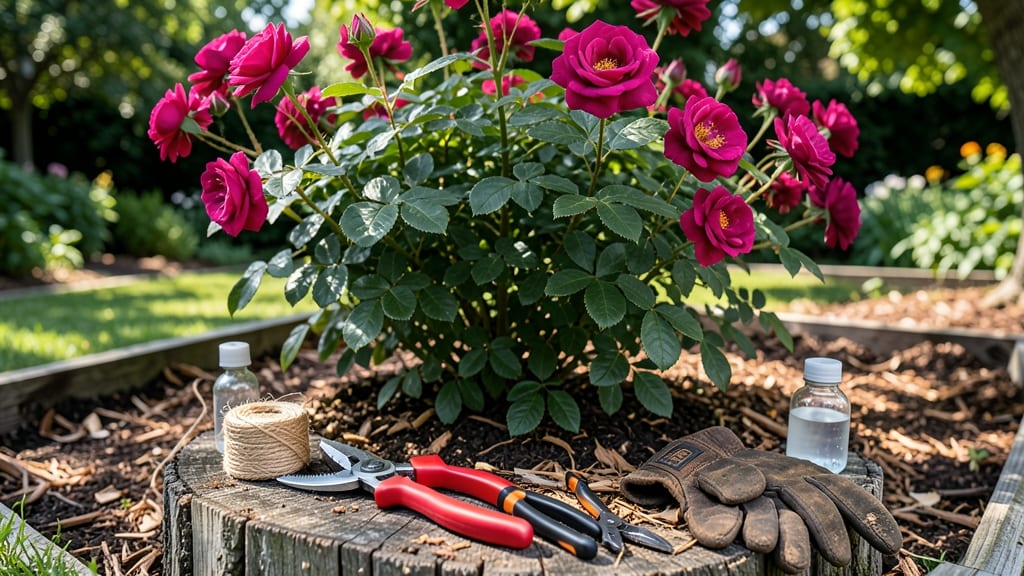
Pruning a Knock Out rose bush isn't just about cutting back—it’s the secret to year-round blooms that make your neighbors jealous. 🌹 I’ve pruned these tough, disease-resistant bushes for years, and the right timing and technique make all the difference.
Skip this step, and you’ll end up with leggy stems and fewer flowers.
The best time to prune is late winter or early spring before new growth starts, but you can also give them a light trim in summer to encourage more blooms. You’ll need sharp pruners, gloves, and a clear day—no foggy mornings where tools slip.
The goal? Open up the center for airflow and shape the bush so sunlight reaches every stem.
After pruning, your bush will reward you with lush, bushy growth and nonstop blooms from spring through frost. The key is cutting just above an outward-facing bud, about a quarter-inch above it, to encourage new stems to grow outward.
It’s like giving your rose a fresh start—every cut is an investment in future flowers.
Works for any Knock Out variety, whether you’ve got one bush or a whole hedge. The same principles apply, so you’ll get consistent results no matter your setup. Let’s get those pruners ready!
📚 In This Guide
- What you need
- Instructions
- Tips and common mistakes
- Wrapping up and next steps
What you need
- ● Bypass pruners: A sharp, high-quality pair (e.g., Felco or Fiskars) to make clean cuts. Size: 6-8 inches, with a ratchet mechanism for heavy branches.
- ● Loppers: For thicker stems (½–1½ inches). Look for: Bypass blades and ergonomic handles.
- ● Pruning saw: For stubborn, woody stems (1–3 inches thick). Type: Curved blade for precision.
- ● Garden gloves: Heavy-duty, cut-resistant (e.g., Mechanix or Wolverine) to protect hands from thorns.
- ● Disinfectant (70% isopropyl alcohol or bleach solution): Clean tools between cuts to prevent disease.
- ● Rubbing alcohol wipes: Quick tool sterilization on the go.
- ● Pruning sealant: (e.g., Tanglefoot Tree Wound Pruning Seal) for large cuts—though Knock Out roses rarely need it.
- ● Marking spray (white): To highlight cuts if you’re unsure where to trim.
- ● Wheelbarrow or bucket: For collecting debris (line with a trash bag for easy disposal).
- ● Check the weather forecast—prune on a dry, calm day to avoid spreading disease.
- ● Have a clear workspace: Lay down a tarp or old blanket to catch fallen leaves/debris.
- ● Review your rose bush’s growth pattern—take photos or sketch a quick map of branches to prune.
Step-by-step guide to pruning Knock Out rose bushes
Here’s how I prune my Knock Out roses—simple, effective, and guaranteed to keep them blooming like crazy all season.
✂️ Step 1: Gather the Right Tools and Timing
First, grab your sharp pruning shears (dull blades crush stems and invite disease) and sterilize them with rubbing alcohol or a 10% bleach solution. I like to prune Knock Out roses in early spring, just as new growth begins—usually around late February to March in most climates. If you missed spring, don’t worry: these roses are forgiving and can handle light pruning in summer after blooms fade or even late fall (before the first hard frost).
Look for swollen buds along the stems—these signal the plant’s readiness to grow. If you see no buds by mid-March, wait another week. Never prune when the ground is frozen or during extreme heat—stressed plants handle cuts poorly.
✂️ Step 2: Remove Dead, Diseased, or Weak Wood
Start by scanning the bush for dead or diseased branches—they’ll be brown, mushy, or hollow when cut open. Snip these out first, cutting just above a healthy bud (about ¼ inch above) and at a 45-degree angle. This prevents water from pooling on the cut and rotting the stem.
Next, identify weak or crossing branches—these rub against each other, creating wounds that attract pests. Remove any that grow inward or downward, always cutting back to an outward-facing bud. You’ll know you’re doing it right when the bush starts to look open and airy—this improves airflow and reduces disease risk.
✂️ Step 3: Shape the Bush for Optimal Growth
Now for the fun part: shaping! Knock Out roses thrive when pruned to a rounded, vase-like form. Start by cutting back last year’s blooms to just above a strong, outward-facing bud. Aim to reduce the bush’s height by about one-third—this encourages bushier growth and more flowers.
Step back often to check your work. The goal is a balanced silhouette with no branches sticking out awkwardly. If a stem looks too long, make two cuts: first to remove the deadhead, then another to shape the branch. Avoid leaving stubs—always cut just above a bud or at a node where new growth can emerge.
🌿 Step 4: Clean Up and Fertilize for Recovery
After pruning, sterilize your tools again and rake up all clippings—don’t leave them near the base, as they can harbor fungus. I like to mulch the base with 2-3 inches of organic mulch (like shredded bark) to retain moisture and protect roots from temperature swings.
Feed the bush with a balanced rose fertilizer (10-10-10 or similar) mixed into the soil around the drip line. Water deeply to help the plant recover. Within 2-3 weeks, you’ll see fresh, vibrant growth—proof that your pruning paid off. Knock Out roses bounce back fast, so don’t stress if it looks sparse at first.
🌱 Step 5: Monitor and Maintain Through the Season
Throughout the growing season, deadhead spent blooms regularly to encourage more flowers. Pinch off wilted blooms with your fingers or shears, cutting just above a leaf with five leaflets (this signals the plant to branch out).
If your bush gets too leggy by mid-summer, do a light pruning to trim back the longest stems by half. This keeps the shape compact and promotes fresh blooms. Avoid heavy pruning after mid-August, as new growth won’t harden off before winter.
Tips & tricks for perfect Knock Out rose pruning
Here's what I've learned after years of pruning these hardy beauties—these tricks will keep your roses thriving and blooming nonstop.
Timing is Everything: The late February to March window is ideal because that's when the plant's natural growth cycle kicks into gear. If you're in a warmer climate, watch for those swollen buds—they're your green light. I've missed the spring window before, and while Knock Out roses are forgiving, you'll get the most dramatic results when you prune at this perfect moment.
Cutting Technique Matters: That ¼-inch clearance above the bud isn't just a suggestion—it's crucial for new growth. When you make that 45-degree angle cut, imagine you're slicing a slice of pizza: the top should be slightly larger than the bottom. This prevents water from pooling on the cut and gives new shoots the best chance to emerge. I've seen too many gardeners leave stubs, and those never produce good new growth.
Shape with Purpose: The vase-like form isn't arbitrary—it's about creating an open center that allows sunlight and air to circulate. When you're shaping, think of your bush like a sculpture. You're not just cutting randomly; you're creating a structure that will support healthy growth. I always step back every few minutes to check my work from a distance—it's amazing how different the bush looks when you see it as a whole.
Post-Pruning Care: That 2-3 inches of mulch isn't just decoration—it's insulation for your plant's roots. The mulch helps regulate soil temperature, retain moisture, and prevent weeds from competing with your roses. After pruning, I always give my bushes a deep watering to help them recover. Within those 2-3 weeks, you'll see fresh growth popping up everywhere—it's like watching a miracle happen.
Pro Tips for Prune A Knock Out Rose Bush
- Here's what I've learned after years of pruning these hardy beauties—these tricks will keep your roses thriving and blooming nonstop.
- Timing is Everything: The late February to March window is ideal because that's when the plant's natural growth cycle kicks into gear.
- Cutting Technique Matters: That ¼-inch clearance above the bud isn't just a suggestion—it's crucial for new growth.
Frequently asked questions
Got questions about pruning your Knock Out® rose bush? You’re not alone! Here are answers to the most common concerns—so you can keep those blooms coming strong all season.
When is the best time to prune a Knock Out rose?
Prune your Knock Out rose twice a year: late winter/early spring (just before new growth starts) and after the first flush of blooms in summer. This keeps the bush compact and encourages continuous flowering. Avoid heavy pruning in fall—it can stimulate tender growth that won’t survive winter.
Can I prune Knock Out roses in winter?
Light pruning (removing dead or damaged branches) is fine in mild winters, but avoid heavy cuts. Cold snaps can stress the plant. Wait until late winter (when temps are consistently above freezing) for major pruning. If your area gets harsh winters, hold off until spring!
What if I prune too much? Will my rose die?
Knock Out roses are hardy and forgiving, but pruning more than 1/3 of the bush at once can shock it. If you’ve over-pruned, don’t panic! Focus on healthy stems (green inside, no black or mushy centers) and give it time to recover. Fertilize lightly and water deeply to help it bounce back.
Do I need to sterilize my pruners between cuts?
Absolutely!
Sterilizing pruners with rubbing alcohol or a 10% bleach solution between cuts prevents spreading disease (like black spot or powdery mildew). Wipe blades with a clean cloth or spray with alcohol after every 3–5 cuts. Your rose bush will thank you with fewer pests and healthier growth!
What if my Knock Out rose isn’t blooming after pruning?
Check these fixes:
- Light levels: Ensure it gets 6+ hours of sun daily.
- Watering: Deep water 1–2 times per week (more in extreme heat).
- Fertilizer: Use a balanced rose fertilizer (like 10-10-10) in spring and summer.
- Pruning timing: If you pruned too late in spring, new growth may not have time to bloom before summer.
Wrapping up and next steps
Pruning your Knock Out® rose bush doesn’t have to be intimidating—it’s all about timing, technique, and a little patience! 🌸 With the right tools and a clear plan, you’ll keep your bush thriving, blooming beautifully year after year.
Remember, consistency is key, so make pruning a regular part of your gardening routine.
Now that you’re equipped with the know-how, grab those shears and get pruning! 🌿 Your hard work will pay off with lush, vibrant roses that turn heads (and maybe even a few jealous neighbors).
Ready to take the next step? Explore more rose care tips or share your progress with fellow gardeners—happy growing!