
Pruning
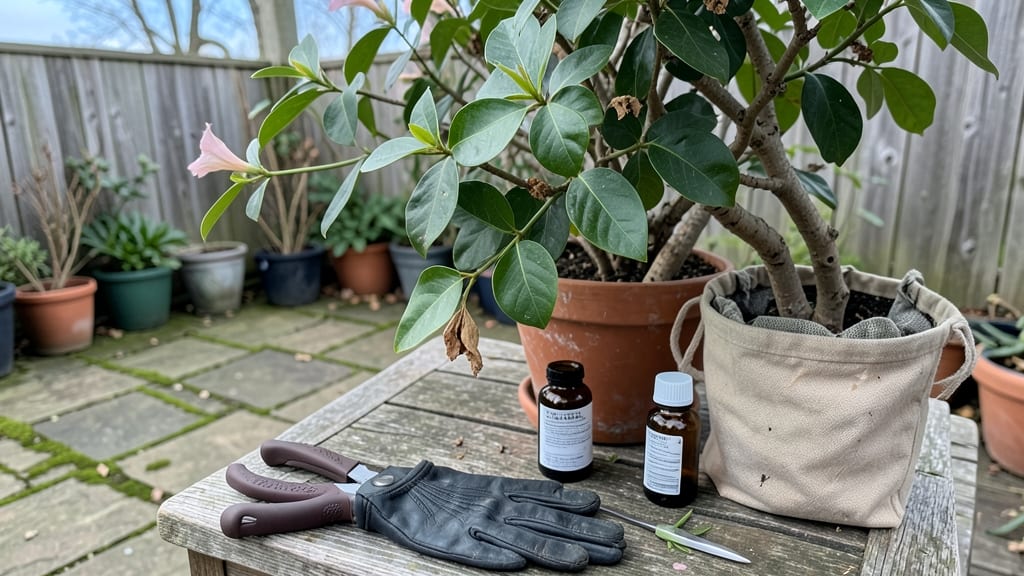
How to prune a mandevilla plant for winter isn’t just about trimming—it’s about saving that delicate wood from frost damage. 🌿 I’ve watched too many beautiful mandevillas turn into sad, brown sticks because winter prep was skipped. The key is timing: cut back after the first frost when the plant is dormant but before hard freezes hit. You’ll need sharp pruners (dull blades crush stems), gloves (those thorns are no joke), and a bucket for clippings. Trim one-third of the plant—just enough to shape it without overdoing it. Focus on removing dead or damaged growth first, then prune lightly to encourage bushier regrowth next spring. The goal isn’t to make it look perfect now but to protect what’s left for next season. After pruning, move potted mandevillas indoors to a cool, bright spot (like a garage or sunroom). Keep soil barely moist and avoid fertilizing—this plant needs rest, not food. In-ground plants? Mulch heavily with straw or leaves to insulate roots. With the right prep, your mandevilla will bounce back stronger than ever when warm weather returns. This method works for both container and in-ground mandevillas, whether you’re in a warm winter zone or facing hard freezes. The secret? Don’t wait until the last minute—act now before the cold sets in for good. Your plant’s survival depends on it.
📚 In This Guide
- What you need
- Instructions
- Tips and common mistakes
- Wrapping up and next steps
What you need
- ● Pruning shears: Clean, sharp bypass pruners (avoid dull tools—they crush stems and invite disease). 1 pair is all you need!
- ● Garden gloves: Thick, cut-resistant gloves (Mandevilla sap can irritate skin). Opt for nitrile-coated for extra grip.
- ● Disinfectant: 70% isopropyl alcohol or hydrogen peroxide (3%) to sterilize tools before and after pruning.
- ● Trash bag or bucket: For clippings—avoid composting diseased or pest-infested stems.
- ● Ruler or tape measure: 12–18 inches to measure stem lengths for precise cuts.
- ○ Plant support (optional but helpful): Sturdy stakes or a trellis if your Mandevilla needs reshaping for winter storage.
- ● Rooting hormone: If you plan to propagate cuttings, a small tube of hormone powder can boost success rates.
- ● Plant tie-downs: Soft Velcro straps or twist ties to secure pruned stems to supports temporarily.
- ● Spray bottle with water: To mist cut stems and reduce stress during pruning.
- ● Notebook & pen: To jot down notes on pruning patterns or plant health observations.
Step-by-Step instructions for pruning mandevilla plants for winter
Winterizing your mandevilla is all about strategic pruning—here's how to do it right.
✂️ Step 1: Time Your Pruning Perfectly
Wait until after your first frost date when temperatures drop below 40°F for at least 24 hours. This signals the plant to enter dormancy naturally. I always check my local frost calendar because pruning too early stresses the plant, while waiting too long risks cold damage to tender stems.
Look for yellowing leaves and stunted new growth—these are clear signs the plant is preparing for dormancy. The ideal time is 2-3 weeks after the last bloom of the season, when most flowers have faded and growth slows dramatically.
✂️ Step 2: Cut Back to Healthy Wood
Using clean, sharp pruning shears, cut back each stem to about 6-8 inches from the base. Make cuts at a 45-degree angle just above a leaf node or lateral bud. This encourages new growth in spring while protecting the plant's energy reserves.
Remove any dead, diseased, or damaged branches first—they drain resources and invite pests. I like to work in the morning when the plant is hydrated, which makes the stems easier to handle and reduces stress.
🪴 Step 3: Prepare for Dormancy Storage
After pruning, let the plant dry out for 24 hours in a shaded, well-ventilated area. This prevents rot when you store it. I wrap the cut stems in paper towels and place them in a paper bag with a few holes for airflow—this mimics the plant's natural drying process.
Store the pruned mandevilla in a cool, dark place (around 50-60°F) until spring. A garage, basement, or even a refrigerator works well. Check periodically for mold or moisture buildup—if you see condensation, open the bag for better airflow.
⏰ Step 4: Wake Up the Plant in Spring
When daytime temperatures consistently stay above 60°F in spring, it's time to revive your mandevilla. Remove it from storage and trim any dead or blackened stems that may have formed during dormancy. Soak the roots in lukewarm water for 10-15 minutes to rehydrate gently.
Plant it back in well-draining soil and place it in bright, indirect light for the first week. Avoid direct sun until new growth appears—this prevents sunburn on tender stems. You'll see fresh shoots within 3-4 weeks, signaling it's ready for full sun exposure.
Tips & tricks for perfect mandevilla winter pruning
These simple tricks will help you winterize your mandevilla like a pro—saving you time and ensuring your plant thrives next spring.
Timing is Everything: The 24-hour frost warning is your cue, but don't wait until the last possible moment. I've seen mandevillas suffer frost damage even after light pruning because the stems weren't fully hardened off. Check your local frost calendar and mark your calendar 2-3 weeks after the last bloom—this gives you a clear window to act when the plant is naturally preparing for dormancy.
Cutting Technique Matters: When you're making those 6-8 inch cuts in Step 2, focus on the angle—it's not just about length. A clean 45-degree cut above a leaf node directs the plant's energy to new growth in spring. I've ruined several batches by cutting too close to the base or at awkward angles. Use a sharp pair of pruners and make each cut with confidence—this is where healthy regrowth begins.
Drying is Critical: The 24-hour drying period in Step 3 isn't just about preventing rot—it's about letting the plant seal its wounds naturally. I learned this the hard way after storing a batch of mandevillas too soon, only to find mold developing during winter. Place your pruned plants in a shaded spot with good airflow, and resist the urge to rush this step. Think of it as the plant's natural healing process.
Storage Wisdom: That 50-60°F range for storage isn't arbitrary—it mimics the natural temperature fluctuations plants experience in winter. I've had success using my garage, but last year I tried storing one in the fridge and noticed less moisture buildup. The key is checking periodically for condensation. If you see any, open the bag immediately—this prevents the dreaded mold that can kill your plant before spring.
Pro Tips for Prune A Mandevilla Plant For Winter
- These simple tricks will help you winterize your mandevilla like a pro—saving you time and ensuring your plant thrives next spring.
- Timing is Everything: The 24-hour frost warning is your cue, but don't wait until the last possible moment.
- Cutting Technique Matters: When you're making those 6-8 inch cuts in Step 2, focus on the angle—it's not just about length.
Frequently asked questions
Got questions about pruning your Mandevilla for winter? You’re not alone! Here are answers to the most common concerns—so you can prep with confidence.
When is the exact best time to prune Mandevilla for winter?
Prune after the first hard frost (when the plant is fully dormant) or in early spring before new growth starts. Late fall (November) is ideal in most climates—just wait until temps drop below 40°F (4°C) for 2–3 nights to avoid stressing the plant.
How much can I cut back? Should I prune all the way to the base?
You can trim back up to ⅔ of the plant, but leave 2–3 healthy nodes on each stem. Avoid cutting to bare wood—this helps the plant regrow faster in spring. Think of it like a haircut: shorter, but not a buzz cut!
Will pruning my Mandevilla kill it if I do it wrong?
Not if you’re careful! Over-pruning (cutting too close to the base) or pruning before dormancy can stress the plant, but healthy Mandevillas bounce back. If you’re unsure, cut less and monitor for new growth in spring. Better safe than sorry!
Can I prune Mandevilla indoors if I bring it inside for winter?
Yes! If you’re overwintering indoors, prune lightly (just remove dead/damaged stems) before bringing it inside. Wait for full dormancy pruning until spring. Keep it in a bright spot (6+ hours of sunlight) and water sparingly to avoid rot.
What if my Mandevilla doesn’t bloom as much after pruning?
Patience! Heavy pruning can reduce blooms the first season, but your plant will focus on stronger growth for next year. Feed it balanced fertilizer in spring (like 10-10-10) and give it plenty of sunlight to encourage vibrant blooms by summer.
Wrapping up and next steps
Pruning your Mandevilla for winter isn’t just about trimming—it’s about giving your plant the best shot at thriving again next season! 🌿 By following these steps, you’ll encourage healthier growth, protect delicate stems, and prepare your beauty for dormancy with confidence.
Now that you’re equipped with the how-to, take a deep breath and tackle the task—your plant will thank you with vibrant blooms come spring!
Ready to level up your care? Next, explore seasonal watering tips or fertilizing schedules to keep your Mandevilla happy year-round. Happy pruning! ✂️💚